February 3, 2026
Why renting is more flexible than buying: pros and cons
20/4/2024
February 19, 2026
February 19, 2026

In the Netherlands, the rent-versus-buy discussion often sounds ideological. Renting is framed as temporary. Buying is framed as the “smart” or “grown-up” move. But when you actually live inside the Dutch housing system, flexibility becomes a much more concrete, practical issue, not a philosophical one.
Flexibility isn’t just about being able to move easily. It’s about how much room you have to adapt when life changes, when the market shifts, or when your plans turn out differently than expected.
That’s where renting and buying truly diverge. Renting is more flexible, but that flexibility comes with trade-offs that aren’t always obvious upfront. Let’s look at what that flexibility really means in day-to-day Dutch life, and where it helps or hurts.
Flexibility starts with commitment level
The biggest difference between renting and buying is the level of financial, legal, and emotional commitment you're making. Buying in the Netherlands is, by design, a long-term commitment. Mortgages, transfer taxes, notary fees, and selling costs all assume you will stay put for years. Moving again too quickly often means losing money, not just time.
Renting, by contrast, allows you to commit less. You commit to a contract, not a market position. That difference matters if your job, relationship, or priorities change, which happens more often than people like to admit. Flexibility here means fewer consequences when life doesn’t follow a straight line.
Why renting adapts better to career uncertainty
Dutch cities attract many people in transitional phases: early-career professionals, internationals, people changing industries, and those working on temporary contracts. For these groups, renting offers breathing room. If your job is probationary, your contract is fixed-term, or you are not sure where you’ll be in two years, buying adds pressure. You are not just managing work, you are managing a major asset tied to your location.
Renting allows you to respond to opportunities rather than protect a purchase. That adaptability often outweighs the financial upside of ownership, at least in the short- to medium-term.
Location flexibility matters more than people expect
In the Netherlands, where you live often matters as much as how you live. Public transport, cycling distance, and access to work hubs shape daily life. Renting makes it easier to adjust location as your routine changes, whether that’s a new office, a different campus, or simply realizing a neighborhood doesn’t suit you.
Buying locks you into a location that may feel right now, but restrictive later. Selling isn’t quick, and it’s rarely stress-free. Renting gives you the option to learn what actually works for you before committing long-term.
Financial flexibility is about risk, not just monthly costs
A common argument for buying is that rent is “money gone,” while mortgage payments build equity. That’s true in theory, but it ignores risk. Buying concentrates financial risk. Interest rates, housing prices, maintenance costs, and unexpected repairs all land on you. In a volatile market, flexibility disappears quickly.
Renting spreads and limits risk. Your monthly cost may feel high, but major repairs aren’t your responsibility. Market downturns don’t trap you. You can exit without selling an asset under pressure. This doesn’t make renting cheaper; it makes it less risky. And risk tolerance varies from person to person.

Time flexibility is an underrated advantage
Buying a home in the Netherlands takes time, often months. Bidding processes, financing, inspections, and notary appointments slow everything down. Renting, while competitive, allows for faster transitions once you secure a place. You can respond to changes relatively quickly, which matters in dynamic phases of life.
This time, flexibility becomes crucial during unexpected events such as breakups, job losses, family needs, or health issues. Renting gives you more options when speed matters.
The psychological weight of ownership vs renting
Flexibility isn’t only practical. It’s mental. Owning a home creates a different kind of pressure. You worry about market value, maintenance decisions, long-term costs, and whether you bought at the “right” moment. Renting shifts that mental load away. You focus on living, not optimizing an asset.
For some people, ownership brings peace of mind. For others, it brings constant low-level stress. Flexibility includes knowing which side you’re on.
Where renting clearly loses flexibility
Renting isn’t flexible in every direction. You usually have less control over changes to the property. Renovations, upgrades, and layout changes are limited. You’re living within someone else’s long-term decisions.
There’s also uncertainty. Temporary contracts, landlord decisions, and rent increases can disrupt stability, especially in competitive cities. Flexibility in renting often means flexibility to move, not flexibility to shape the space.
Buying offers a different kind of flexibility later
Buying isn’t the opposite of flexibility forever. It’s deferred flexibility. Once a mortgage is paid down and your financial position stabilizes, ownership can create options: renting out, refinancing, or leveraging equity.
But that flexibility comes later, after years of commitment. Renting offers flexibility upfront. Buying may offer it eventually. The timing difference matters more than people realize.
Life stage changes the equation completely
The rent-versus-buy debate often ignores life stage. What’s flexible at 25 may feel restrictive at 40. What feels safe now may feel limiting later. Renting and buying aren’t permanent identities; they are tools suited to different moments.
Many people rent longer than planned, not because they failed to buy, but because renting still fits their reality better. Flexibility isn’t about avoiding commitment forever. It’s about choosing the right commitment for now.
The opportunity cost that people rarely calculate
Buying ties up capital. Deposits, transaction costs, and ongoing expenses reduce liquidity. Renting keeps more money accessible. That can be used for education, business ideas, relocation, or simply maintaining a financial buffer.
This opportunity cost matters in a country where mobility, professional and personal, is increasingly important. Flexibility includes not locking your money into something.
When renting becomes limiting instead of flexible
Renting loses its advantage when uncertainty becomes chronic. Short contracts, poor landlord communication, or constant searching can erode the benefits of flexibility. At some point, instability outweighs adaptability.
That’s often when people start looking to buy not for financial reasons, but for emotional ones. Flexibility is only valuable if it feels chosen, not imposed.
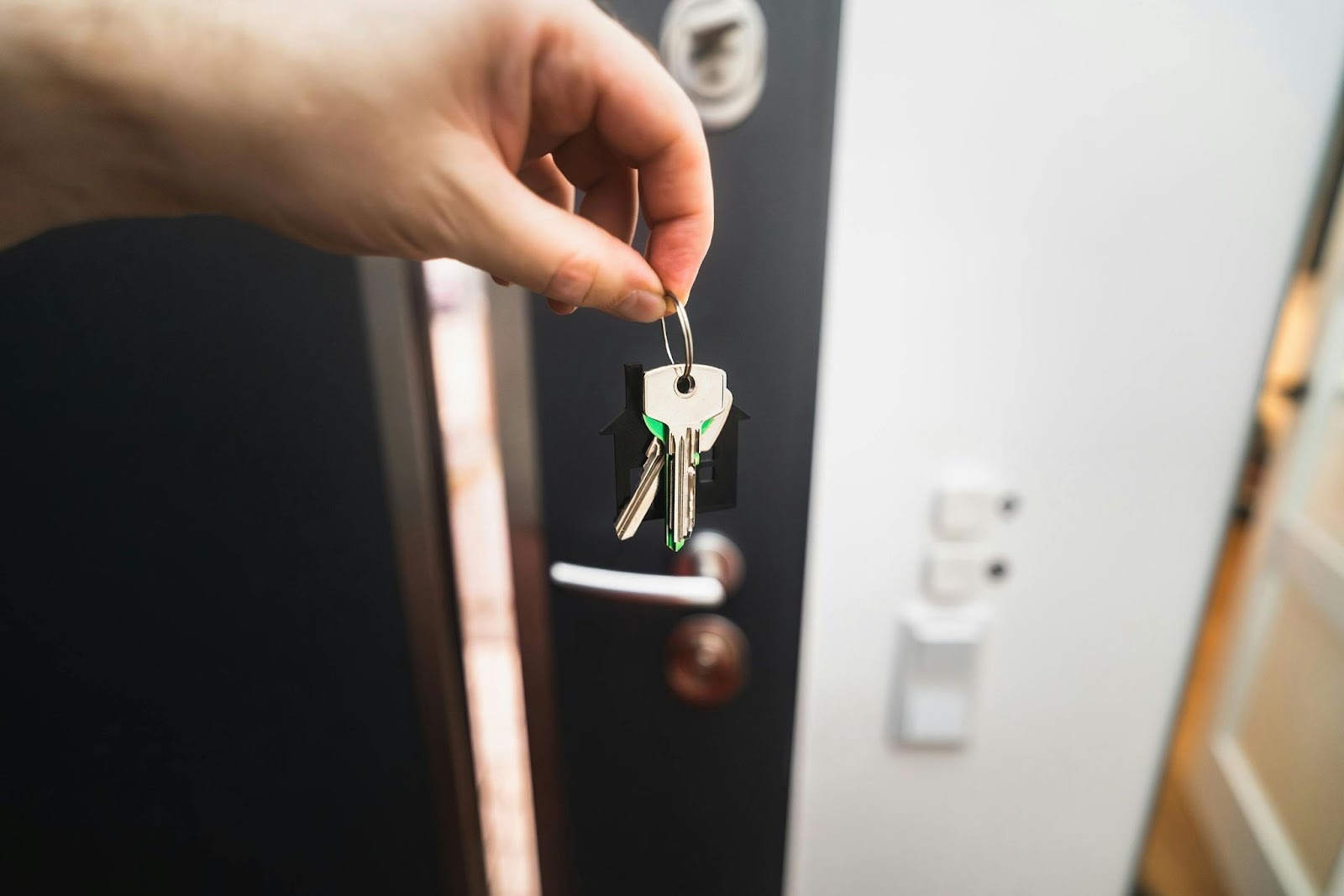
So is renting “better” than buying?
Not inherently. Renting is more flexible because it lowers commitment, reduces risk, and allows faster change. Buying is less flexible upfront, but can create stability and long-term leverage.
The mistake is treating flexibility as universally good or bad. In the Netherlands, where careers, cities, and housing markets shift quickly, flexibility often has real value, especially earlier in life or during uncertain phases.
Treating Housing as a Tool for Your Current Life
Renting is more flexible than buying because it lets you adapt without undoing your life. That flexibility can protect you, empower you, and reduce pressure, but it can also limit control and long-term certainty.
Buying trades that offer flexibility for stability, responsibility, and eventual freedom on different terms. Neither path is superior by default. The better choice is the one that matches your current reality, not the one you feel you are supposed to choose.
Once you see flexibility as a tool instead of a status symbol, the rent-versus-buy question becomes far less loaded and far more practical.