February 3, 2026
Recognize rental scams: How to avoid falling for a fake ad
10/1/2022
February 3, 2026
February 3, 2026

The housing market is overheated and there is great pressure to decide quickly. Scammers make good use of this by placing sophisticated fake ads that are barely distinguishable from the real thing. Whether you're searching via social media, a marketplace or specialized rental sites, alertness is your most important defense. Recognizing the subtle signs of rental fraud can not only save you thousands of euros, but also prevent the huge disappointment of a non-existent home.
In practice, we see that fraudsters often follow the same patterns. They capitalise on scarcity and use psychological pressure to force you to act hastily. By taking a critical look at the ad, the landlord and the process, you can quickly filter out the risky offers.
The red flags in the ad
Many scams start with an ad that is simply too good to be true. While there is a great temptation to respond immediately, there are three clear indicators that something is wrong.
Price versus location
A spacious apartment in the center of Amsterdam or Utrecht at a price hundreds of euros below the market average is fraud in 99% of cases. Scammers lure victims with an “opportunity” to create a sense of urgency. Always compare the requested rental price with comparable properties on reliable platforms such as Funda or Pararius.
Suspicious photos and descriptions
Fraudsters often steal photos from realtor websites or platforms like Airbnb.
- Reverse image search: Use Google images to check if the photos were previously used in other cities or for vacation rentals.
- Non-Dutch details: Note the sockets, the view (mountains in the Netherlands?) or the facility. A home with an American kitchen and associated equipment in a typical Dutch building is a direct alarm signal.
- Language use: Many fake ads are translated using automated software. This results in unnatural Dutch or a strange mix of languages.
The “Foreign landlord” tactic
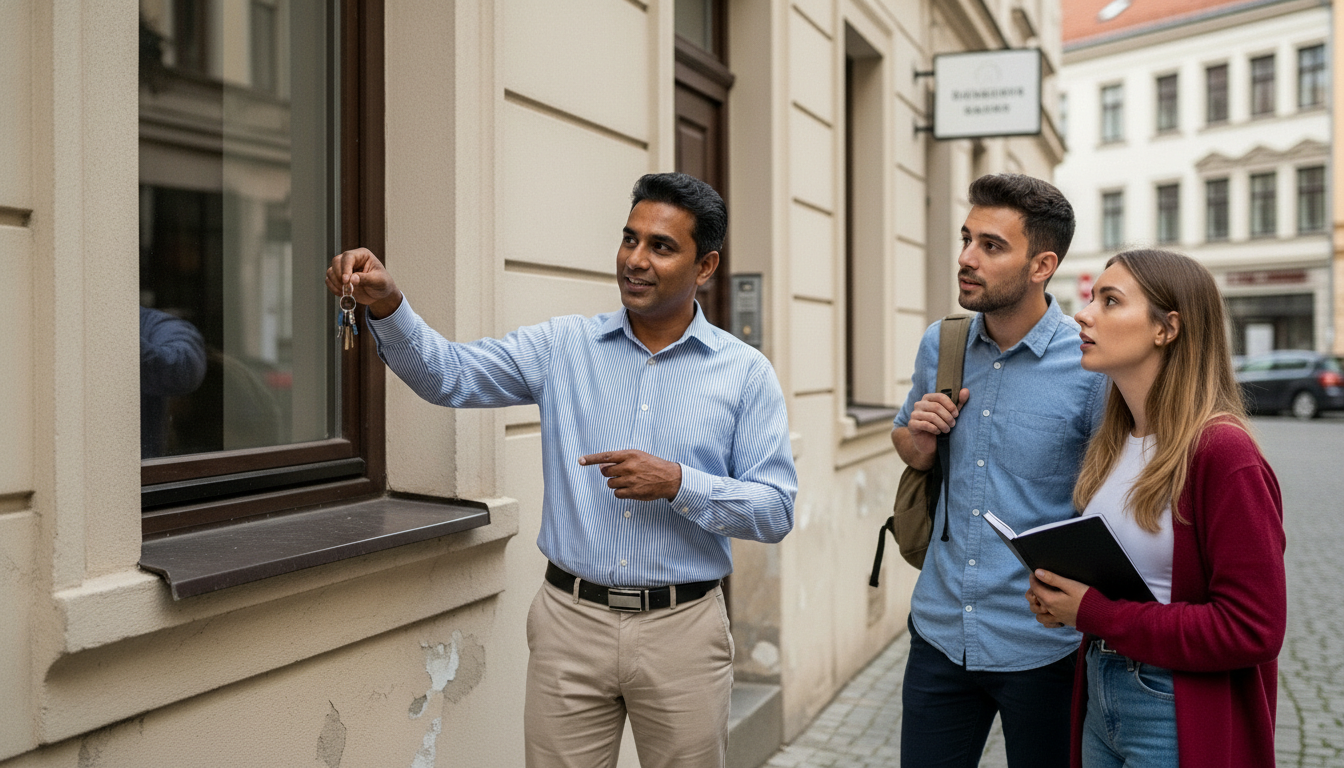
One of the most classic scenarios is the landlord who claims to be currently living abroad for work, a medical emergency, or a research project.
Please note: A legitimate landlord who resides abroad will almost always use a local manager or broker to do the viewings and contract processing.
Scammers will tell you that a viewing is not possible because they have the key with them. They promise to send the key by courier (such as DHL or FedEx) as soon as you transfer the deposit and the first month's rent. Never comment on this; once the money has been transferred, you won't hear anything and the key will never arrive.
Unusual payment methods
The way in which money is asked for is often the clearest indication of fraud. In the Netherlands, a bank transfer to a Dutch IBAN number is the standard.
- Anonymous services: Are you being asked to pay via Western Union, MoneyGram, or cryptocurrency? These are irreducible payments that can be redeemed instantly by scammers without you ever seeing your money again.
- Airbnb links: A common trick is sending a link to a website that looks just like Airbnb. The scammer claims that the transaction is safe there. Always check the URL carefully; it is often one letter different from the real site.
- Paying for a viewing: It is not common and often even illegal in the Netherlands to have to pay to view a home. Do people ask for “key money” or “reservation fees” even before you have seen the house from the inside? Then cut off contact immediately.
No registration possible? Walk away
A very specific Dutch signal is the message that “registration at the address is not possible”. Although this sometimes indicates illegal subletting by a real tenant (which also involves risks), it is also often used by scammers who have no access to the home at all.
Registration in the Basic Registration of Persons (BRP) is a legal requirement. If a landlord prohibits this, there is a good chance that the rental is illegal, that the landlord is evading taxes, or that you are simply dealing with a fraudster. In addition, without registration, you cannot apply for surcharges and you will run into problems with your social security related issues.

How to protect yourself: a step-by-step plan
- Check out the cadastre: For a small fee, you can request who owns a property via the cadastre. Does the landlord's name not match the owner? Then ask for a statement or authorization.
- Google the data: Search the host's name, email address, and phone number along with the words “fraud,” “scam,” or “scammed.” Many victims report their experiences on online forums.
- Request a viewing: Always require a physical viewing that also includes the storage room or common areas. Can't you do it yourself? Then send a friend or family member.
- Check the ID: Ask for a copy of the landlord's ID, but be aware that it can also be false. Use the government's KopieID app yourself if you share your own data, so that your social security number and photo are protected.
- Only pay after signing: Only transfer money after you have signed the contract, visited the home and preferably received and checked the keys.
Rent safely: Don't get caught by an offer that's too good
Unfortunately, housing market scams are the order of the day, but by thinking logically and not being chased, you can outsmart most fraudsters. The golden rule remains: if the offer seems too good to be true, that's it. Trust your intuition and take the time for a thorough check. A good home is important, but your financial security is even more important.