February 3, 2026
Why does my rental application keep getting rejected?
30/12/2023
February 19, 2026
February 19, 2026
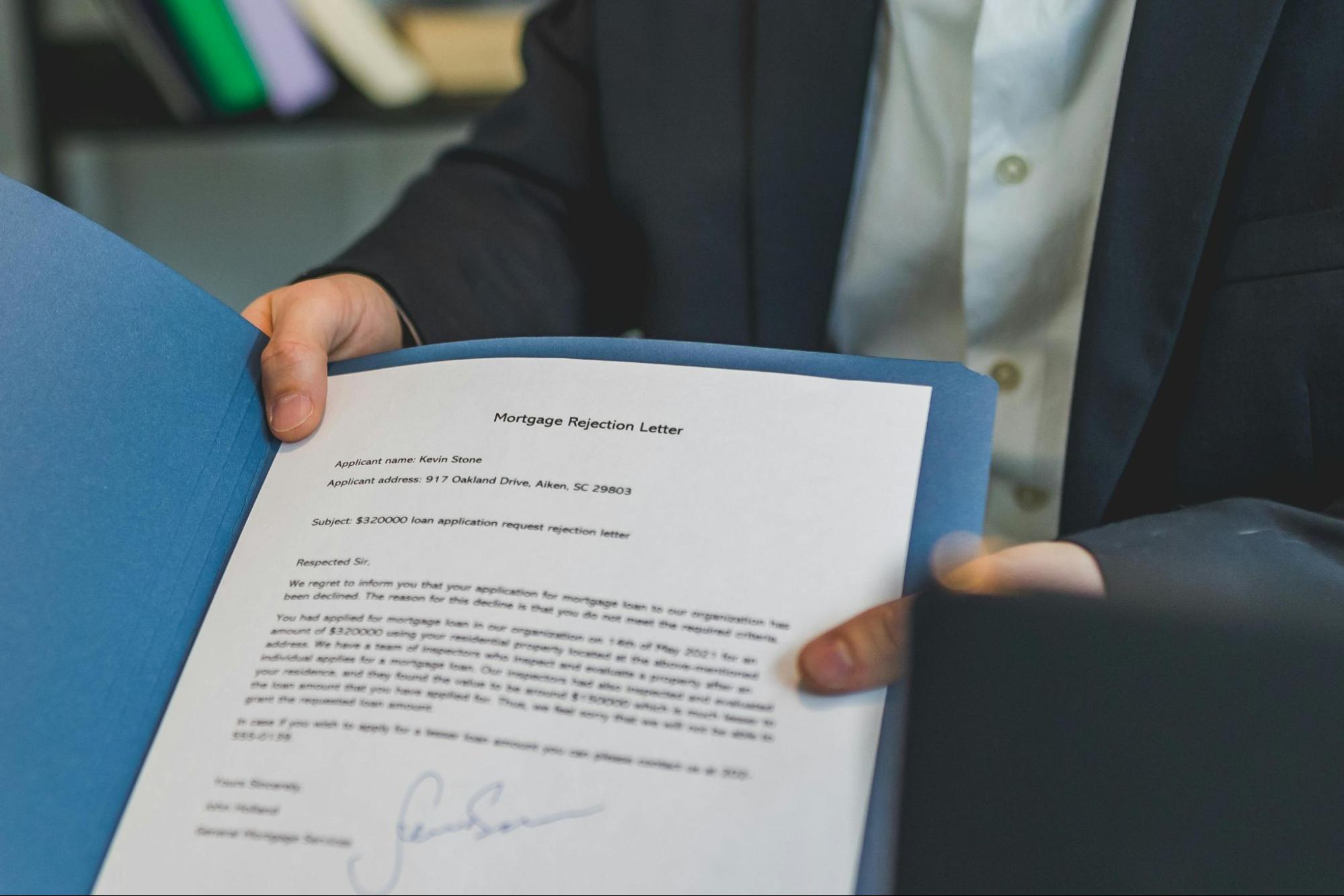
If you have applied for multiple rentals in the Netherlands and keep hearing nothing, or worse, getting polite rejection emails, you are not alone. This is one of the most frustrating parts of renting here, especially because rejections often come without explanation. You submit documents, write a careful message, maybe even attend a viewing where things felt positive… and then silence.
At some point, it stops feeling like bad luck and starts feeling personal. You might be wondering what you are doing wrong, or whether there’s something about your profile that landlords immediately reject.
The truth is: most rejections have very little to do with you as a person. They are usually the result of how the Dutch rental market works right now, and a few hidden filters most renters aren’t told about. Let’s unpack what’s actually happening.
The uncomfortable reality of rental competition
In many Dutch cities, a landlord doesn’t choose between two or three applicants. They choose between ten, twenty, sometimes more. By the time the viewing ends, agencies often already know they will be rejecting most people in the room.
This means your application isn’t evaluated in isolation. It’s compared against others who might earn more, have a different contract type, apply faster, or simply look “easier” on paper.
So when your application gets rejected, it doesn’t necessarily mean it was weak. It often just wasn’t the strongest in that specific group. That distinction matters because it changes how you interpret rejection and how you respond to it.
Income filters are stricter than most people realize
One of the biggest reasons applications get rejected is income, even when you technically meet the requirements. Many landlords in the Netherlands expect your gross monthly income to be three to four times the basic rent. Some are flexible. Many aren’t. And if another applicant earns more than you, that alone can be enough to tip the scales.
What’s frustrating is that this isn’t always communicated clearly. Listings might say “income requirement applies” without explaining how rigid it is. Agencies also rarely tell you how close you were to qualifying.
If you’re self-employed, on a temporary contract, or recently changed jobs, this filter becomes even tougher. Even strong earnings don’t always compensate for perceived uncertainty.
Contract type quietly matters a lot
Two applicants with the same income are not viewed equally if their contracts are different. Permanent contracts are still considered the safest option by most landlords. Temporary contracts, probation periods, freelance income, or international employment often trigger hesitation, not because they’re invalid, but because landlords default to the least risky option when they can.
In a competitive market, “least risky” usually wins. This is one of those things most people don’t realize until they’ve been rejected multiple times and start comparing notes with others.
Timing and speed play a bigger role than quality
You might have a solid profile, clean documents, and a clear explanation, but if someone else applied ten minutes earlier with a similar profile, that can be enough. Many agencies review applications in the order they arrive. Once a strong candidate appears, later applications may not even be fully considered.
This is why it can feel so random. From your side, you did everything right. From the agency’s side, they already mentally filled the slot before reaching your email. It’s unfair, but it’s common.

Small presentation issues that quietly hurt your chances
Sometimes the rejection isn’t about the big things like income or contract type, but about how your application comes across. Long explanations, missing documents, unclear filenames, or vague introductions can make an application feel messy, even if your profile is strong. Agencies handle dozens of applications at once, and clarity often beats detail.
There’s also the issue of tone. Applications that sound overly desperate or defensive can unintentionally raise concerns. On the other hand, very short or generic messages can feel disengaged. This doesn’t mean you need to sound perfect. It means your application should feel easy to understand at a glance.
The one place where patterns really show up
After several rejections, it helps to step back and look for patterns instead of individual outcomes. This is the one moment where listing things out can actually be useful.
Ask yourself honestly whether most of your rejections align with one or more of these factors:
- You are consistently competing with higher-income applicants
- Your contract type differs from what landlords prefer
- You apply later than others after the listings go live
- Agencies ask follow-up questions and then go quiet
- Rejections cluster around certain price ranges or cities
If you see repetition, that’s not failure; it’s information. And information gives you leverage to adjust.

What usually goes wrong emotionally
One of the hardest parts of repeated rejection is how personal it feels. You start questioning your stability, your career choices, and even whether renting in the Netherlands is realistic for you at all. This usually happens because the process is so opaque. You are putting yourself forward repeatedly without feedback, and the silence fills in the gaps with self-doubt.
But most rejections aren’t judgments. They’re outcomes of comparison in a market where demand heavily outweighs supply. Understanding that doesn’t make rejection pleasant, but it does stop it from eroding your confidence.
What to do instead of just applying harder
Many people respond to rejection by applying to more places without changing anything. That often leads to more frustration. A calmer, more effective approach is to make small, targeted adjustments. This might mean slightly lowering your target rent, focusing on listings that explicitly match your contract type, or tightening how your application is presented.
Sometimes it’s about choosing fewer viewings but applying faster. Other times it’s about accepting that a specific segment of the market simply isn’t accessible right now, and that’s not a personal shortcoming. Progress in the Dutch rental market often comes from alignment, not effort alone.
Strategy over self-blame
If your rental application keeps getting rejected, it doesn’t mean you’re failing. It usually means you’re navigating a system designed to filter aggressively and explain very little. Most people who eventually secure a place don’t do so because everything suddenly becomes easy. They succeed because they understand how the process works just enough to stop blaming themselves and start adjusting strategically. Once you see rejection as feedback about the market, not about your worth, the process becomes frustrating, yes, but far less overwhelming.