February 3, 2026
Why are furnished rentals usually more expensive than unfurnished ones?
6/2/2024
February 19, 2026
February 19, 2026

If you have been searching for a rental in the Netherlands, you have noticed the pattern quickly. An apartment looks affordable at first glance, but then you see the word 'gemeubileerd' or 'furnished'. Suddenly, the rent jumps by a few hundred euros.
At that point, it is natural to wonder whether the furniture is really worth that much. A bed, a couch, a table, it does not feel like a luxury package. Especially if you already own some things or do not care much about interior style. So why do furnished rentals cost so much more here? And is the higher price actually about the furniture at all? The short answer: only partly. The long answer has a lot to do with risk, flexibility, and how the Dutch rental market treats certain types of tenants.
The price difference is not just about what you see
It is easy to assume that furnished rentals are more expensive because you’re paying for physical items. But if that were the whole story, the math would not really add up. Most furniture depreciates quickly. A sofa or bed does not hold its value year after year. Yet the higher rent often stays permanently.
What you’re really paying for is not just furniture. You’re paying for a different type of rental arrangement, with different expectations on both sides. And that difference starts with who the furnished rentals are usually aimed at.
Furnished rentals are designed for short-term certainty
In the Netherlands, furnished rentals are often aimed at tenants who want flexibility: internationals, temporary workers, people relocating, or those who do not know how long they’ll stay. From a landlord’s perspective, these tenants are more likely to move out sooner. That creates turnover, vacancies, and administrative work.
Higher rent compensates for that uncertainty. Even if you plan to stay long-term, the pricing is based on the assumption that many furnished tenants will not.
Turnover costs are baked into the rent.
Unfurnished rentals often have long-term tenants. Furnished rentals rotate more frequently. Every time a furnished tenant leaves, the landlord usually has to clean professionally, replace worn items, check inventory, and sometimes repaint or repair damage caused by frequent use.
Those costs do not appear as a separate fee. They’re quietly absorbed into higher monthly rent. So while unfurnished tenants might invest upfront in furniture, furnished tenants pay gradually, whether or not they personally cause wear.
Risk perception plays a bigger role than furniture quality
Another uncomfortable truth is that furnished rentals are often associated with higher perceived risk. Shorter stays, international backgrounds, and less attachment to the property all factor into how landlords assess reliability.
Higher rent acts as a buffer. If something goes wrong, the landlord has already priced in an extra margin. This is not about trust on a personal level. It is about how landlords hedge against unknowns in a competitive market.
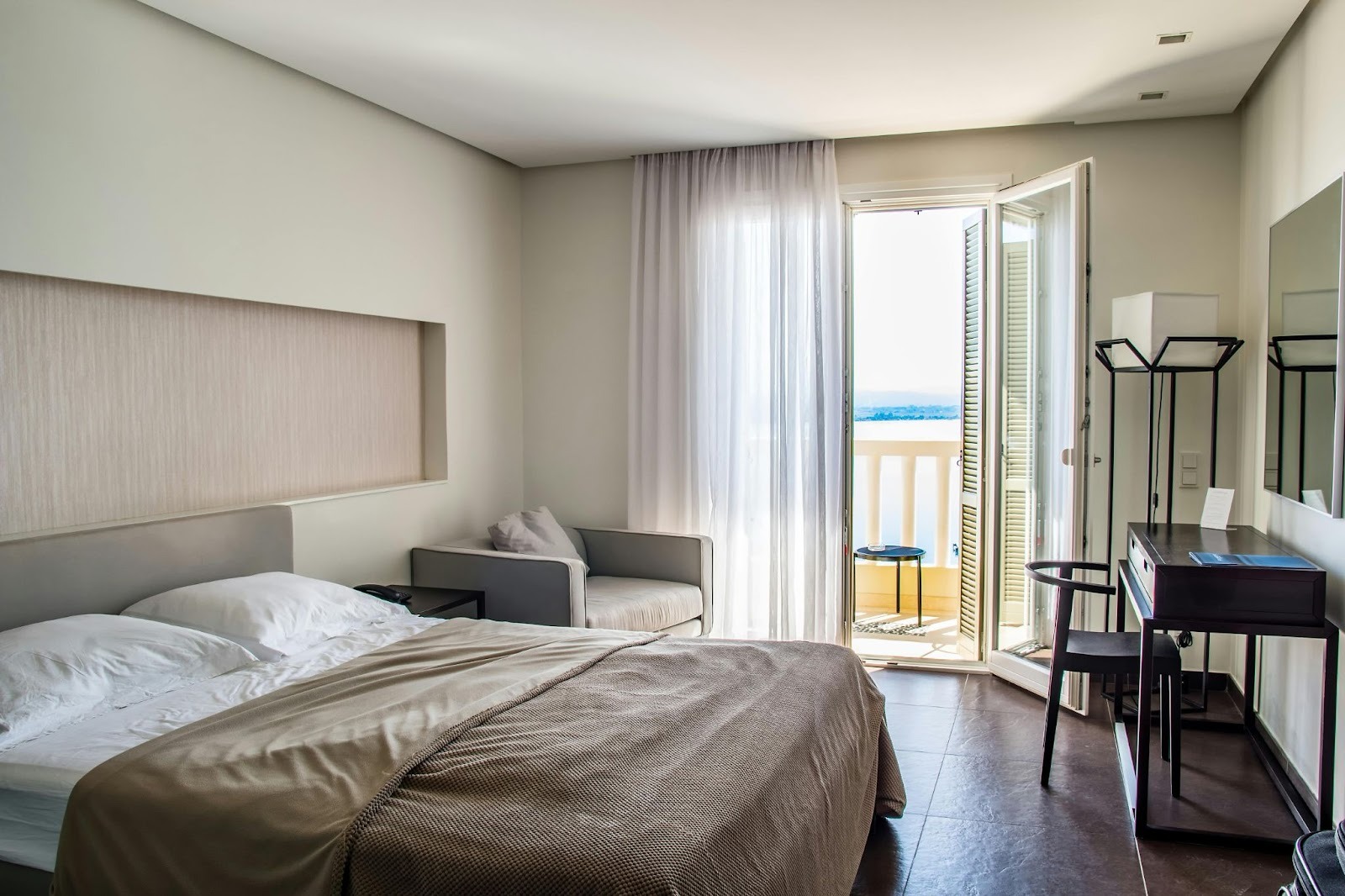
Furnished rentals attract a different demand curve
In cities like Amsterdam, Utrecht, and The Hague, furnished apartments are often snapped up by people who need something fast. That urgency matters.
If you have just arrived in the Netherlands and are starting a job next month, you do not have time to buy furniture, arrange deliveries, or wait for items to become available. Convenience becomes valuable, and landlords know it. When demand comes from urgency rather than choice, prices rise more easily. The rent reflects not just what the apartment offers, but how badly someone needs it right now.
Utilities, services, and simplicity are part of the package
Many furnished rentals include services that unfurnished ones do not, or at least appear to. Sometimes utilities are bundled. Sometimes the internet is included. Sometimes the place is advertised as “ready to live.”
Even when these extras are minimal, they reduce friction. No setup. No waiting. No coordination. That simplicity is part of what tenants are paying for, even if they would have preferred to manage things themselves.
Wear, damage, and disputes are more likely
Furniture creates more points of conflict. Scratches, stains, broken items, even normal wear and tear, can turn into disputes at move-out. From the landlord’s side, this means more inspections, more discussions, and more deposit negotiations.
Higher rent compensates for that hassle. It is also why deposits for furnished rentals are often treated more strictly, and why contracts around condition tend to be longer and more detailed. The complexity adds cost.

The one place where the price difference usually comes from
When you zoom out, the higher rent usually reflects a combination of factors rather than one single reason. In practice, furnished rentals tend to be priced higher because they combine:
- Higher tenant turnover
- Greater perceived financial risk
- Added management and maintenance effort
- Demand driven by urgency and convenience
- Increased potential for disputes
The furniture is just the most visible part of that equation, not the most important one.
Why does unfurnished feel cheaper, but is not always
Unfurnished rentals often look cheaper on paper, but they shift costs upfront. Buying furniture, paying for delivery, arranging installation, and eventually selling or disposing of items all add up. The difference is timing: you pay once instead of monthly.
For tenants planning to stay several years, unfurnished usually wins financially. For short stays, furnished can still make sense even at a premium. The problem arises when people pay fixed prices long-term without needing the flexibility.
Why furnished rentals rarely get cheaper over time
One frustrating aspect is that furnished rent often stays high even after you have lived there for years. That is because the pricing is rarely renegotiated based on your personal situation. It is tied to the rental category, not the tenant.
Once an apartment is listed as furnished, it tends to remain priced that way, regardless of how stable or long-term you become. This is why some tenants eventually push for partial or complete unfurnishing as they stay longer.
What usually goes wrong for tenants
Many renters choose furnished apartments out of convenience, then slowly realize they’re overpaying for things they no longer need. They stay because moving is stressful. Because the place works. Because the market is tough.
Over time, that premium becomes invisible until they compare with others or reassess their budget. The issue is not choosing furnished. It is choosing it by default instead of intentionally.
When furnished rentals actually make sense
Despite the cost, furnished rentals do serve a real purpose. They make sense when you’re new to the country, staying temporarily, unsure about location, or need housing quickly without logistical hassle.
They make less sense when you’re settled, stable, and planning to stay put. The challenge is recognizing when your situation has changed and adjusting accordingly.
Understanding the Premium of Furnished Living
Furnished rentals are not expensive because landlords are greedy or because furniture is special. They’re expensive because they’re built around flexibility, risk management, and urgency, not long-term affordability.
Once you understand that, the pricing starts to make more sense, even if you still do not like it. The key question is not “Why is this so expensive?”
It is “Am I still the type of tenant this kind of rental is designed for?” When you answer that honestly, the next decision usually becomes much clearer.