February 3, 2026
What utilities should I expect to pay extra for?
13/2/2024
February 19, 2026
February 19, 2026
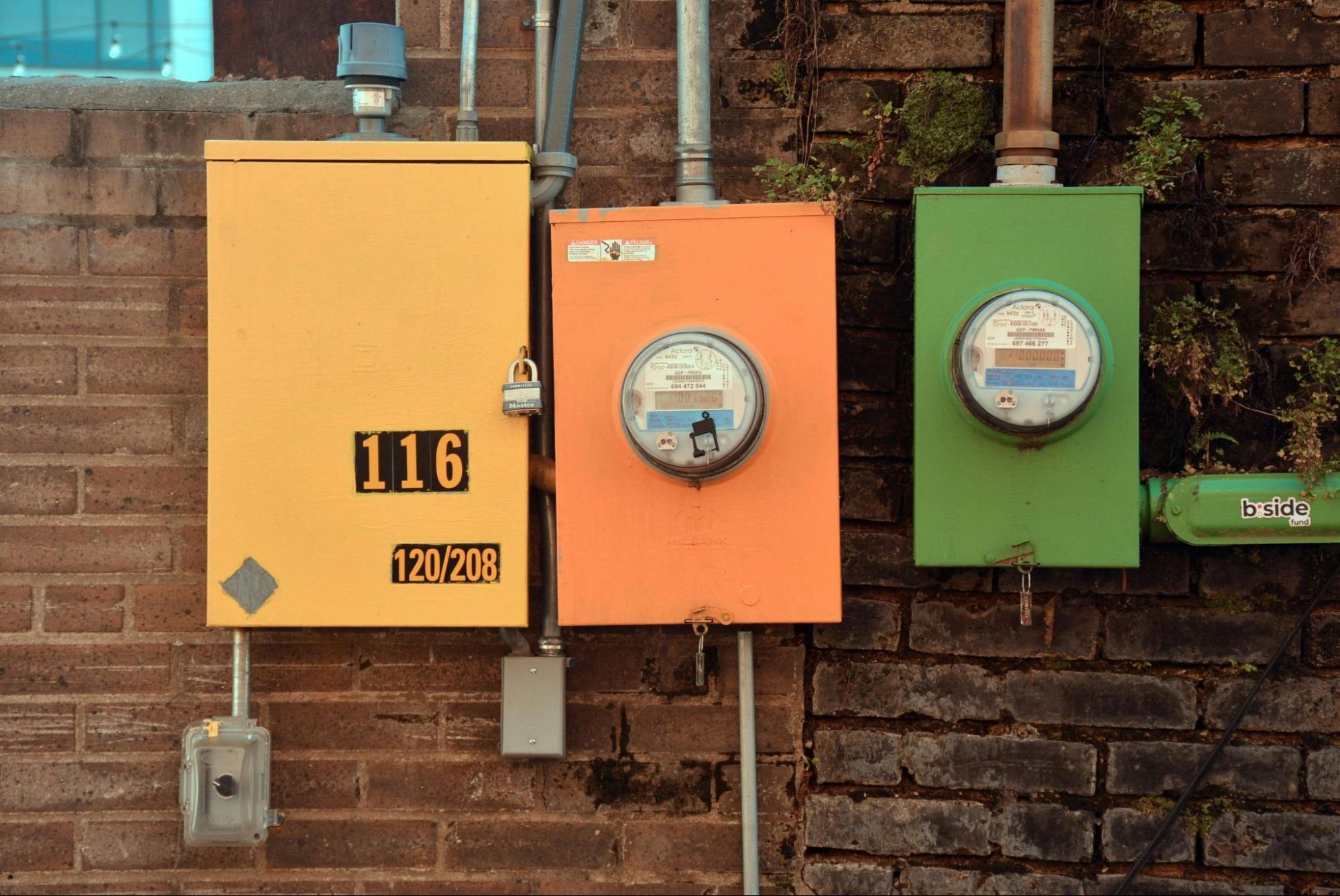
One of the easiest mistakes to make when renting in the Netherlands is assuming the advertised rent is close to your real monthly cost. You see a number, do a quick calculation, and think, "Okay, I can afford this." Then the bills start arriving. What makes this confusing is that utilities are not handled consistently. Some rentals include almost everything. Others include nearly nothing, and the listing language does not always make that clear. By the time you realise what is missing, you have already signed the contract.
So what utilities should you realistically expect to pay extra for as a renter in the Netherlands? And how do you avoid underestimating your monthly costs? Let’s walk through it from the renter’s point of view, not the fine print.
Why “rent” rarely means the same thing twice
In Dutch listings, you will usually see either 'kale huur' (basic rent) or 'huur inclusief' (rent including something). The problem is that “including something” can mean very different things to different landlords. Some include only service costs. Others bundle utilities. Some include nothing at all.
Most renters only learn this difference by experience or by being surprised after move-in. And in a tight market, asking too many questions upfront can feel uncomfortable. But knowing what's usually extra helps you spot gaps before they become expenses.
Electricity and gas are rarely truly included
In most private rentals, electricity and gas are your responsibility. Even when a listing says “excluding utilities,” many renters do not fully grasp what that means in practice.
You are usually expected to set up your own energy contract, pay monthly advances, and then settle usage later. With fluctuating energy prices, this can significantly affect your budget, especially in winter.
If energy is included, it is often done via a monthly advance. That does not mean it is unlimited. If you use more than expected, you may still pay extra later. This is one of the most common areas where renters underestimate costs.
Water is small but still often separate.
Water bills in the Netherlands are relatively modest compared to energy bills, but they are still often excluded from rent. Depending on the setup, you may receive a separate bill directly from the water company, or the charge may be included in the landlord's service costs.
Because the amounts are minor, water often flies under the radar until it arrives unexpectedly. It is not a budget-breaker, but it is still part of the total picture.
The internet and TV are rarely automatic.
Unless you are renting a furnished apartment aimed at short-term tenants, internet and TV are usually not included. That means arranging your own provider, installation, and monthly payments. In some buildings, certain providers are mandatory. In others, you have more freedom.
What catches people off guard is timing. Internet installation is not always immediate, especially in older buildings. That is less about cost and more about inconvenience, but it is still something to plan for. If a listing says “internet available,” that usually means infrastructure, not service.
Municipal taxes are often overlooked.
This one surprises many renters, especially those new to the Netherlands. Certain municipal taxes are charged to the occupant, not the owner. These can include waste collection and water system charges. They are not part of rent and do not go through the landlord.
They usually arrive once or twice per year, which makes them easy to forget when budgeting monthly costs. They are not enormous, but they are unavoidable.
Service costs can hide multiple items.
Service costs (servicekosten) sound vague because they often are. They can include cleaning common areas, lighting in stairwells, elevator maintenance, and shared heating systems. Sometimes they also include water or heating advances.
The tricky part is that service costs are usually estimates. At the end of the year, they are recalculated. If actual costs were higher, you pay the difference. So even when something seems included, it may not be final.
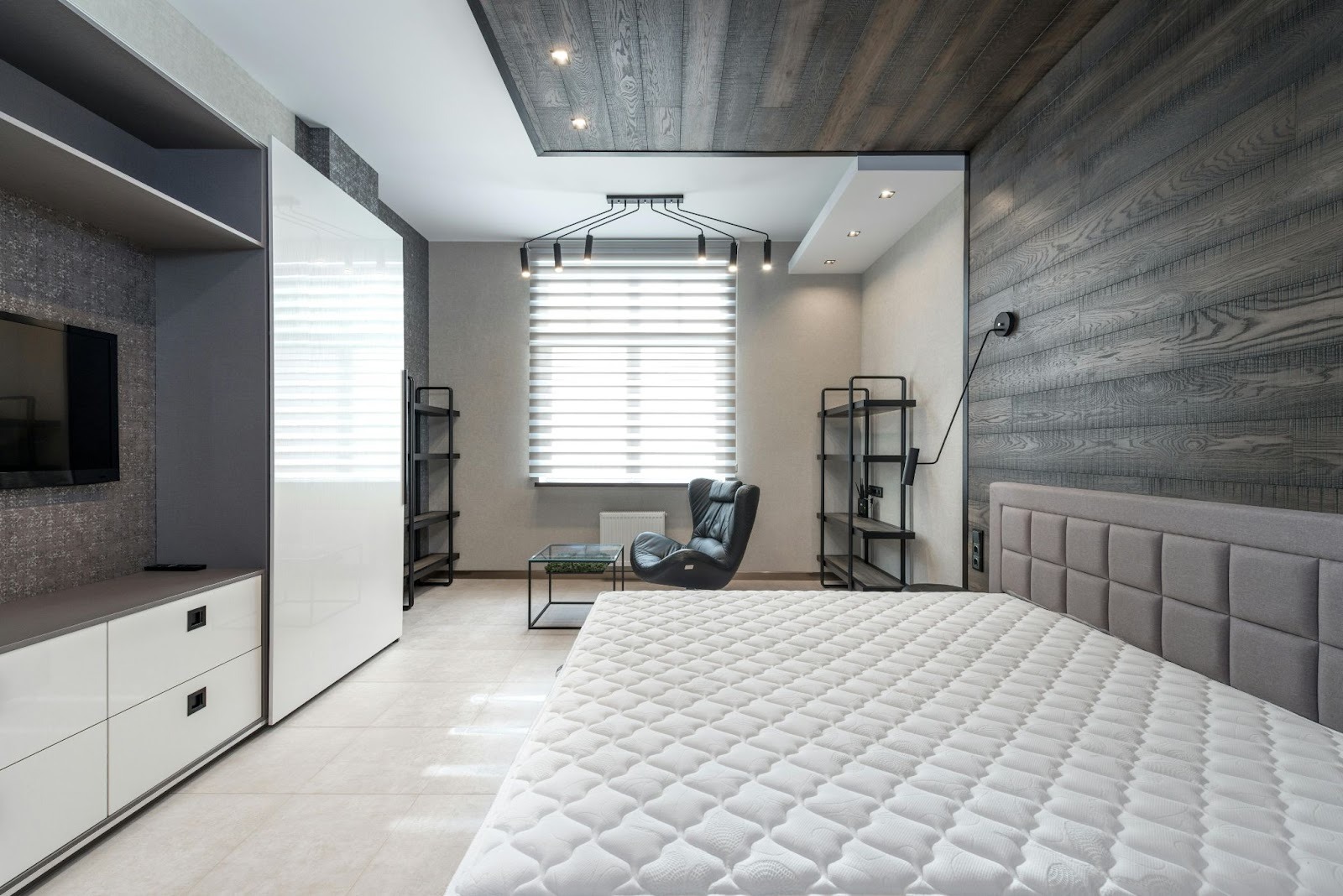
Furnished rentals blur the lines even more.
Furnished rentals often advertise themselves as “all-in,” but that does not always mean what you think. Some truly include utilities, internet, and service costs. Others include advances with later reconciliation. And some include everything except energ, which is a big exception.
Because furnished rentals are usually more expensive, renters sometimes assume utilities are covered and do not double-check. That assumption can be costly.
The one overview that actually helps
Instead of trying to remember every possible bill, it helps to think in terms of what usually falls outside the base rent. This is the one place where a clear overview prevents surprises.
As a renter in the Netherlands, you should generally expect to pay extra for:
- Electricity and gas
- Water (directly or via service costs)
- Internet and TV
- Municipal taxes (waste and water-related)
- Service costs for shared spaces or facilities
Anything beyond this should be explicitly confirmed as included, not assumed.
Why are listings often unclear on purpose
Many renters wonder why listings do not just spell everything out. The honest answer is that clarity does not always benefit landlords or agents. Lower advertised rent attracts more interest. Extra costs feel smaller when they are spread across multiple bills later. And in a competitive market, renters rarely push back once they have decided they want the place.
This does not mean every unclear listing is dishonest, but it does mean you shouldn’t rely on the headline number alone.
How underestimating utilities creates long-term stress
The real problem with utilities is not just the money. It is the ongoing pressure. When rent already stretches your budget, extra bills turn into constant background stress. Winter becomes anxiety-inducing. Every price increase feels personal.
Many renters only realize months later that the apartment wasn’t truly affordable, not because rent was too high, but because total living costs were. Affordability is not about one number. It is about the whole monthly reality.

Questions that quietly protect you
You do not need to interrogate the landlord. But asking calmly what is included and what is not is reasonable, especially before signing.
If the answer feels vague, that is information. Clear answers now usually mean fewer disputes later. Understanding utilities upfront does not make it difficult. It makes you prepared.
Mastering Your Total Monthly Budget
Utilities in the Netherlands are not mysterious; they are just fragmented. And fragmentation makes it easy to underestimate what you will actually pay. Once you assume that most rentals cover only the space itself, and everything else is extra unless clearly stated, budgeting becomes far more realistic.
That shift from optimism to clarity does not make renting easier. But it does make it far less stressful once you are actually living there.