February 3, 2026
What rights do I have if repairs take too long?
15/1/2024
February 19, 2026
February 19, 2026

Few things wear you down like living with an unresolved repair. A shower that never gets hot enough. A window that won’t close properly. A boiler that “will be looked at next week” for the fourth time.
In the Netherlands, this situation is incredibly common, not because landlords are always unwilling, but because responsibility, urgency, and follow-through don’t always align. As a tenant, you are often left waiting, unsure whether you’re being patient… or taken advantage of.
You might be wondering whether you are expected to just wait it out, or whether you actually have rights when repairs drag on. The answer is: you do, but they are more nuanced than most people think. Let’s walk through what matters, without turning this into a legal handbook.
Why repair delays feel so powerless for renters
Part of the frustration comes from uncertainty. You report an issue. The landlord acknowledges it. Then nothing happens. Because you live in the property every day, the problem feels urgent. But from the landlord’s side, it’s often treated as “non-critical,” especially if the apartment is still technically livable.
This mismatch in urgency is where most repair conflicts start. And when you don’t know what your rights are, it’s easy to slip into waiting mode, hoping persistence alone will fix it. In reality, Dutch tenancy law recognizes that delays can be unacceptable. The challenge is knowing when waiting becomes unreasonable.
Not all repairs are treated the same
The first thing to understand is that repairs are generally viewed through the lens of severity, not inconvenience. A broken intercom, for example, is annoying. A broken heating system in winter is serious. Both matter, but they’re not expected to be handled at the same speed.
In the Netherlands, repairs that affect safety, basic comfort, or habitability are expected to be addressed more urgently. Issues that cause long-term damage if ignored, like leaks or moisture problems, also fall into this category, even if they don’t feel dramatic at first. This distinction matters because your rights grow stronger as the problem's impact increases.
“Soon” is not a timeline
One of the most common frustrations renters face is vague language. “We’re working on it.” “The contractor is busy.” “It will be done soon.” While these responses sound reasonable, they don’t actually define anything. And without a defined timeframe, delays can stretch on indefinitely.
In practice, a repair that takes a few days is usually considered normal. A few weeks might still be acceptable, depending on complexity. But when months pass with no clear plan or progress, the situation shifts. At that point, the issue isn’t the repair itself; it’s the lack of action.
Why written communication matters more than tone
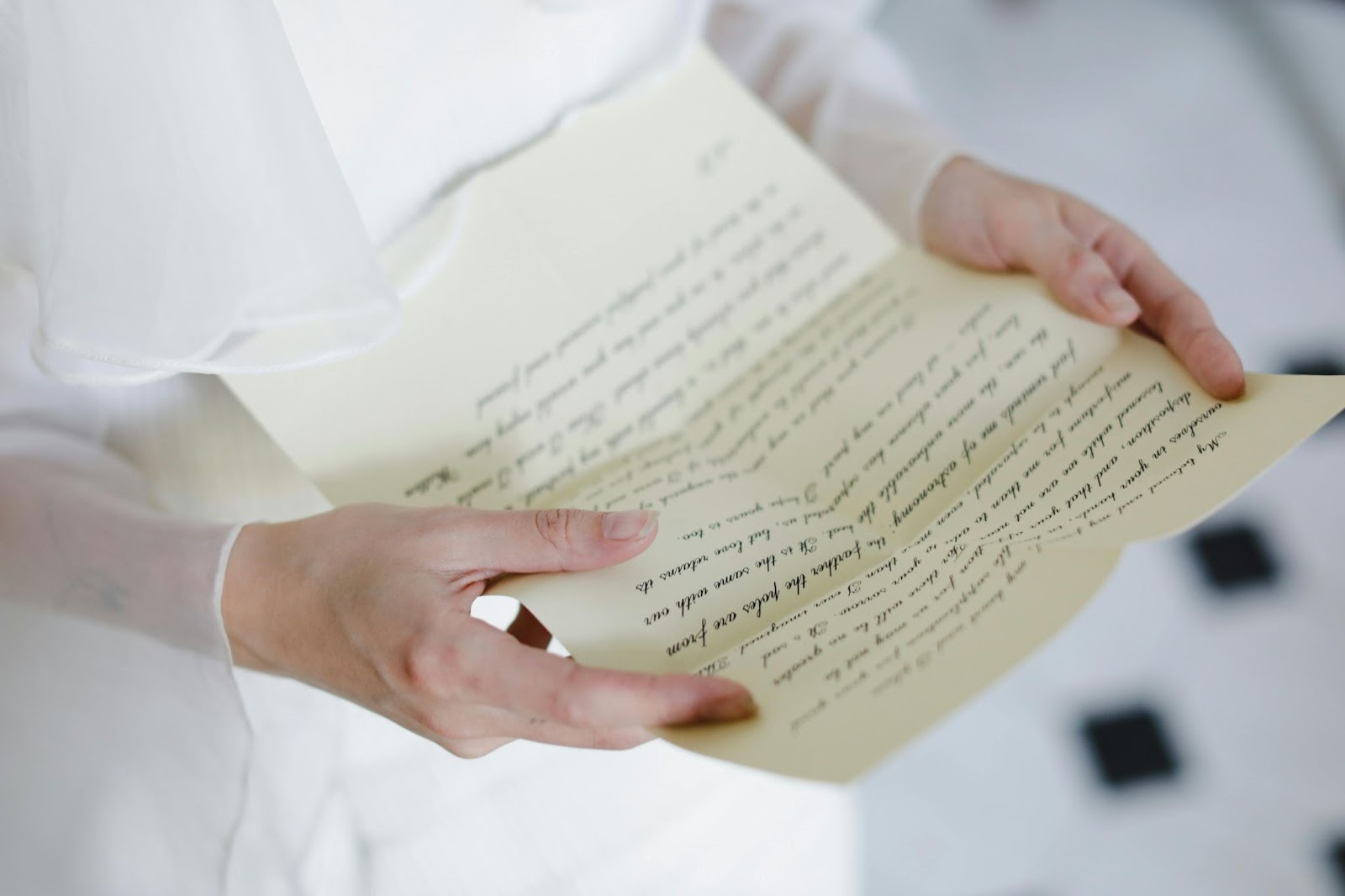
Many renters try to stay friendly and informal, especially if the landlord seems approachable. That’s understandable. But when repairs take too long, clarity becomes more important than politeness. Verbal conversations are easy to forget or reinterpret. Written communication creates a timeline. It shows when you reported the issue, how it was described, and how long it’s been unresolved.
This doesn’t mean you need to sound threatening or legalistic. Calm, factual messages are often more effective than emotional ones. You’re not escalating, you are documenting. And documentation is what turns a complaint into a position.
What counts as “too long” in practice
There’s no single number of days after which a landlord is automatically in the wrong. Context matters. But there are patterns renters often see when delays become unreasonable.
This is the one moment where it helps to step back and check whether the situation looks like this:
- The issue affects basic living conditions or safety
- You reported it clearly and more than once
- No concrete repair date has been given
- Temporary fixes keep replacing permanent ones
- The problem is getting worse over time
When several of these apply, waiting quietly usually stops being productive.
Why landlords sometimes delay even when they shouldn’t
It’s tempting to assume bad intent, but delays often come from practical or financial hesitation. Contractors are busy. Repairs cost money. Some landlords hope issues resolve themselves or become less urgent. Others underestimate how disruptive the problem actually is because they don’t live there.
None of these excuses for excessive delays, but understanding it helps you respond strategically instead of emotionally. Clear follow-ups that restate the issue's impact often work better than frustration alone.
Your rights don’t start with confrontation
Many renters think asserting their rights means threatening legal action or refusing to pay rent. That’s rarely the best first step. In the Netherlands, tenants generally have the right to a properly maintained home. When that standard isn’t met for too long, tenants can request action, propose deadlines, and in some cases, seek remedies.
But most of the time, progress happens before things get formal. A written message that summarizes the issue, notes how long it’s been unresolved, and asks for a concrete plan often shifts the dynamic. You are no longer reminding. You are asking for a resolution.
When patience quietly turns into a disadvantage
One thing many renters don’t realize is that waiting too long can actually weaken your position. If you live with a serious defect for months without pushing for action, it becomes easier for a landlord to argue that it wasn’t that urgent after all. Especially if rent continued unchanged and no formal complaints were made.
This doesn’t mean you should escalate immediately. It means there’s a point where silence stops being neutral. Acting calmly but decisively protects you later, even if the issue still takes time to fix.

What usually goes wrong when renters finally react
After weeks or months of delay, frustration builds. And when renters finally speak up, it often comes out all at once: anger, threats, ultimatums. That emotional release is understandable. But it can derail the outcome.
Landlords tend to respond more defensively to emotional escalation than to structured pressure. Ironically, the calmer the message, the stronger it often lands. This is why it helps to separate how you feel from how you communicate.
If the repair still does not happen
Sometimes, despite reminders and clarity, nothing changes. That’s when renters start wondering what leverage they actually have.
At that stage, options depend on the severity of the issue and how well it’s documented. There are mechanisms in the Netherlands for addressing prolonged maintenance failures, but they work best when there’s a clear paper trail showing that the landlord was informed and given a reasonable time to respond.
Jumping straight to drastic steps without that foundation often backfires. Preparation matters more than speed.
The "Conflict resolution" angle
When repairs take too long, the hardest part isn’t the defect itself; it’s the feeling of being ignored in a place that’s supposed to be your home. You don’t need to become confrontational to protect yourself. You don’t need to accept endless delays either. Most situations improve once expectations are clearly stated and documented.
Understanding that you have rights and knowing when patience turns into passivity helps you move forward without unnecessary conflict. And once that balance clicks, dealing with repair delays becomes far less draining than it first feels.