February 3, 2026
What if my rental floods during heavy rain?
7/4/2024
February 19, 2026
February 19, 2026
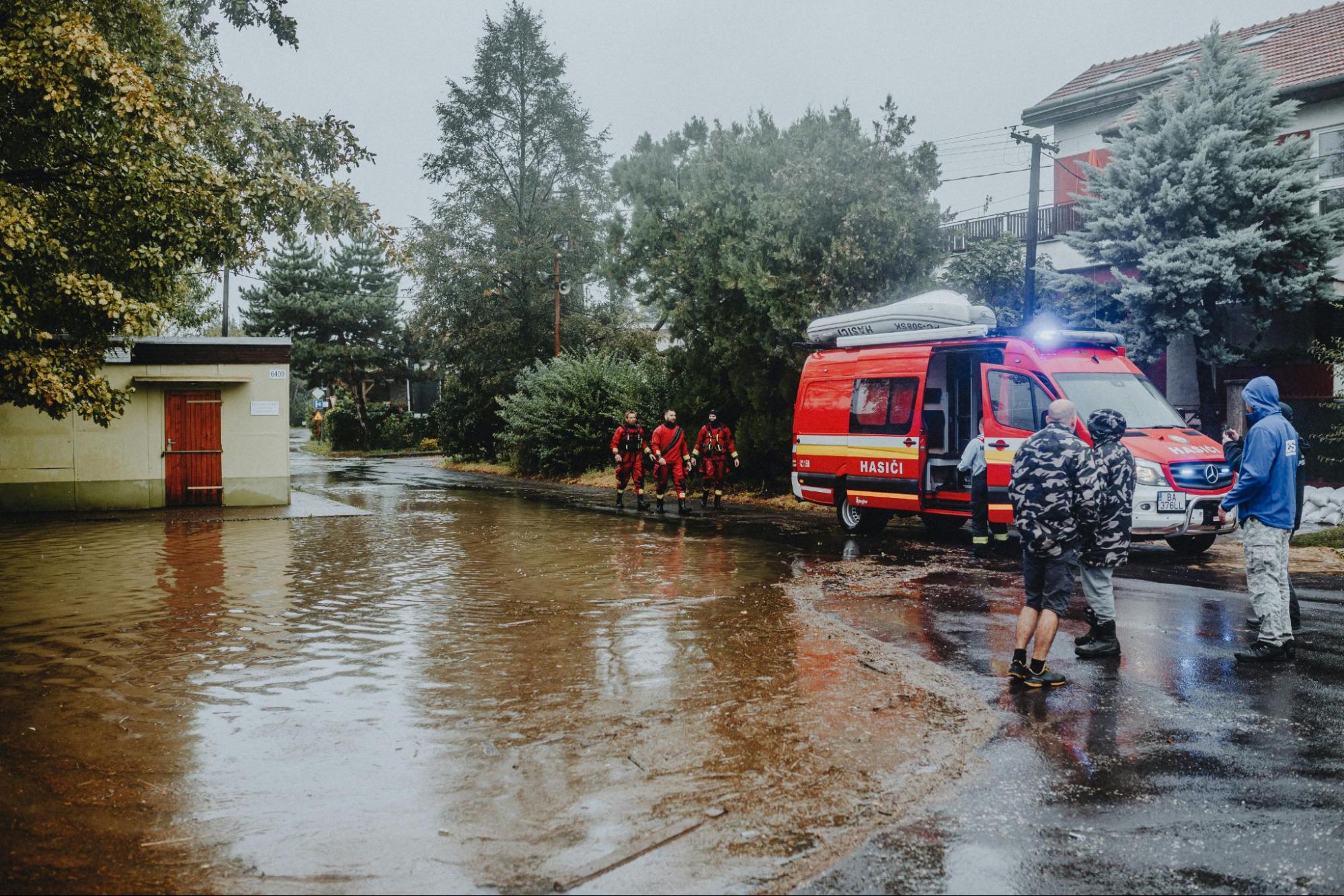
Few things are as unsettling as watching water creep across your floor while rain is pounding outside. In the Netherlands, this scenario isn’t rare. Heavy rainfall, rising groundwater levels, and older drainage systems mean flooding can happen even in apartments that seemed perfectly fine during the viewing.
What makes it worse is the uncertainty. Is this your responsibility or the landlord’s? Should you clean up first or report it immediately? Will this affect your deposit later? If your rental floods during heavy rain, how you respond in the first hours, and how you handle the aftermath, matter more than most renters realize.
Why does flooding happen so often in Dutch rentals
Flooding in the Netherlands isn’t always dramatic or headline-worthy. Often, it’s subtle: water seeping in through a doorframe, rising through a basement floor, or pooling near windows after prolonged rain. Many rentals sit below street level, especially souterrains and ground-floor apartments.
Add heavy rainfall, full sewers, or high groundwater, and water has nowhere to go but inside. Importantly, flooding doesn’t automatically mean neglect. Some buildings are simply vulnerable by design. But vulnerability still has consequences, and those consequences affect you as the tenant.
The first thing to do when flooding starts
When water enters your home, the instinct is to panic or start fixing things immediately. Taking a breath first helps. Your priority is safety and preventing further damage, not assigning blame. If water is near electrical outlets or appliances, avoid contact and switch off power where safe to do so. Move valuables and furniture out of harm’s way if possible.
Just as important: document what’s happening. Photos and videos of water entering, pooling, or damaging surfaces are crucial later, especially if the flooding is recurring or structural.
Why documenting early protects you later
Many renters only take photos after the cleanup. By then, the most crucial evidence is gone. Flooding often becomes a dispute about cause. Was it heavy rain? Poor drainage? Tenant behavior? Without documentation from the moment it happens, that discussion becomes subjective.
Clear visuals showing water entry points, water levels, and timing make the situation factual rather than emotional. This isn’t about preparing for conflict. It’s about preventing misunderstandings.
Informing the landlord sooner, not later
Once immediate risks are managed, informing the landlord or agency should be done promptly. Delaying can create problems. From a landlord’s perspective, late reporting raises questions: Did the tenant cause it? Did the damage worsen because it wasn’t reported?
A short, factual message explaining what happened, when it happened, and what you observed works best. Avoid speculation. Avoid blame. Stick to what you know. Early communication often leads to faster solutions and fewer disputes later.
Flooding is rarely “just bad luck”
Many renters are told flooding during heavy rain is unavoidable, something to accept as part of living in the Netherlands. While extreme weather is real, repeated flooding is usually a sign of a deeper issue: poor drainage, faulty seals, inadequate waterproofing, or structural vulnerability.
If flooding occurs more than once, it stops being incidental and becomes a habit of the building. That distinction matters, especially if damage keeps recurring.
Who is responsible, and why it’s often confusing
Responsibility in flooding situations isn’t always clear-cut, which is why renters feel uneasy. In general, landlords are responsible for the property's structure. Issues like leaking foundations, poor drainage, or faulty construction are usually their responsibility. Tenants are responsible for reasonable use and basic care.
The confusion arises because flooding sits at the intersection of structure and circumstance. Heavy rain triggers it, but underlying conditions allow it. That’s why documentation and communication matter more than arguing definitions.
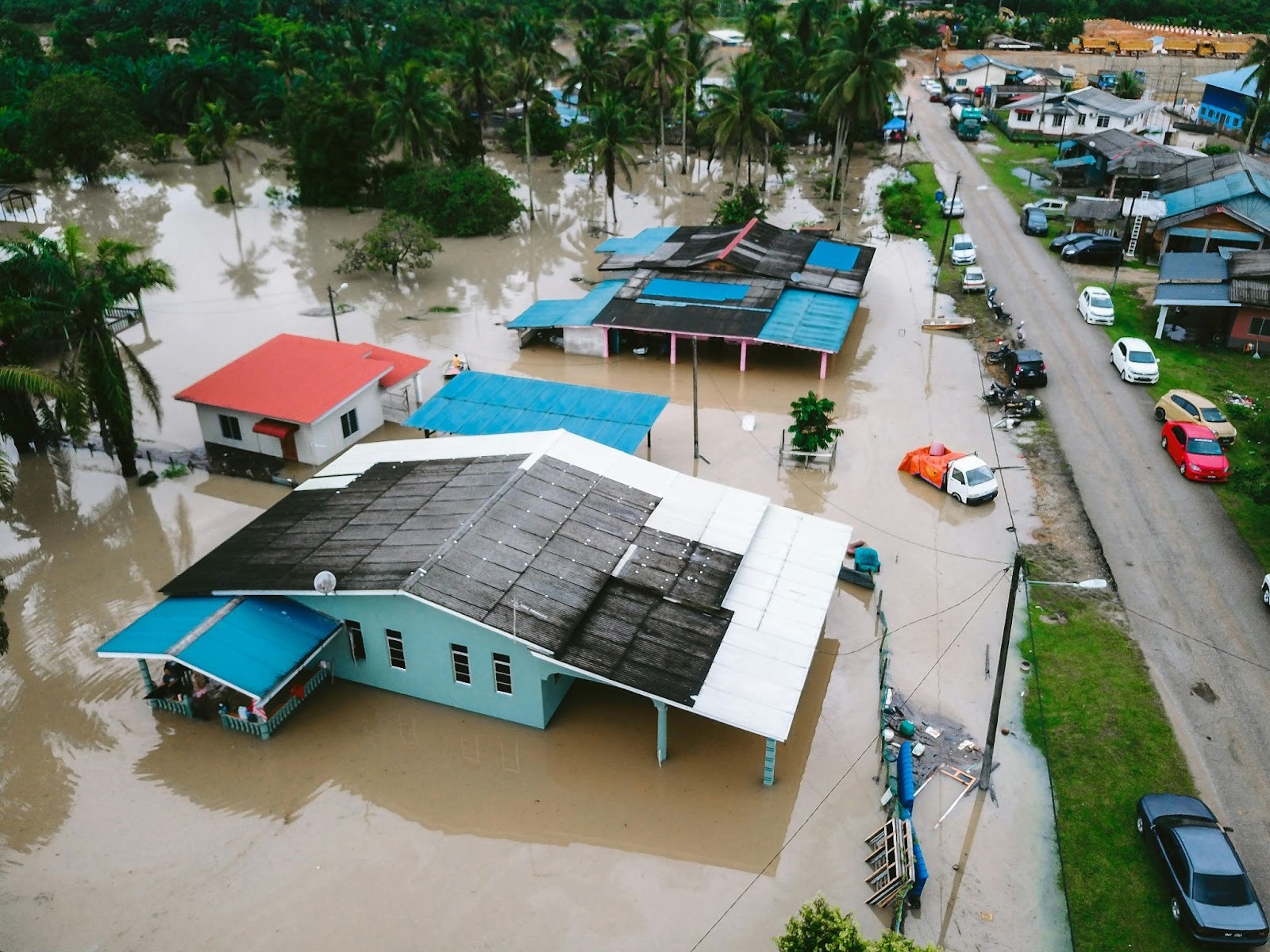
Cleaning up doesn’t mean accepting responsibility
Many renters worry that cleaning up water or drying the space means they’re “accepting” the problem. That’s not how it works. Cleaning up is about preventing further damage and health risks, especially mold. It doesn’t assign blame or responsibility.
In fact, acting promptly often shows you’re being responsible, not evasive. Just make sure cleanup happens after you’ve documented the situation.
Mold risk is the quiet aftermath no one warns you about
One of the most significant risks after flooding isn’t visible immediately: moisture trapped in walls, floors, or insulation. In the Netherlands’ damp climate, this can quickly lead to mold even if the water seems to disappear within a day or two.
If flooding occurs, drying and ventilation are important. If damp smells or discoloration appear weeks later, that’s not a new problem. It’s a delayed consequence of the flood. Reporting lingering dampness early prevents long-term disputes about cause.
The one overview that helps you respond calmly
When flooding happens, emotions run high. Having a clear mental framework helps you act without unnecessarily escalating things. This is the one place where structure reduces stress.
In most flooding situations, the practical steps look like this:
- Ensure safety and prevent immediate damage
- Document water entry and damage clearly
- Inform the landlord promptly and factually
- Dry and ventilate to prevent mold
- Monitor for recurring issues or lingering dampness
Following this order protects both your home and your position as a tenant.
What if the landlord downplays the problem?
Some landlords respond by minimizing the issue: “It was just heavy rain,” or “This happens sometimes.” That response can feel dismissive, and it often is incomplete. Occasional water near an entrance is one thing. Water entering living spaces repeatedly is another. If the problem affects livability, it deserves attention regardless of weather conditions.
Staying calm and factual works better than pushing emotionally. Repeated issues, documented clearly, are harder to ignore than one dramatic message.
Why recurring flooding changes everything
One flood is an incident. Multiple floods are a pattern. If your rental floods every time there’s heavy rain, that’s not a coincidence. It’s a condition of the property.
At that point, the issue isn’t just damage, it’s suitability. A home that regularly floods isn’t functioning as it should, no matter how common heavy rain is. Understanding this helps you stop blaming yourself for something outside your control.
How flooding can affect your deposit if you’re not careful
This is a fear many renters have: will flooding damage be blamed on them at move-out? It can be, if there’s no record of what happened. That’s why reporting flooding matters not just now, but later.
If stains, warped flooring, or lingering smells exist at move-out, documentation shows they weren’t caused by neglect. Flooding without a paper trail becomes a gray area. Flooding with documentation is a known event.
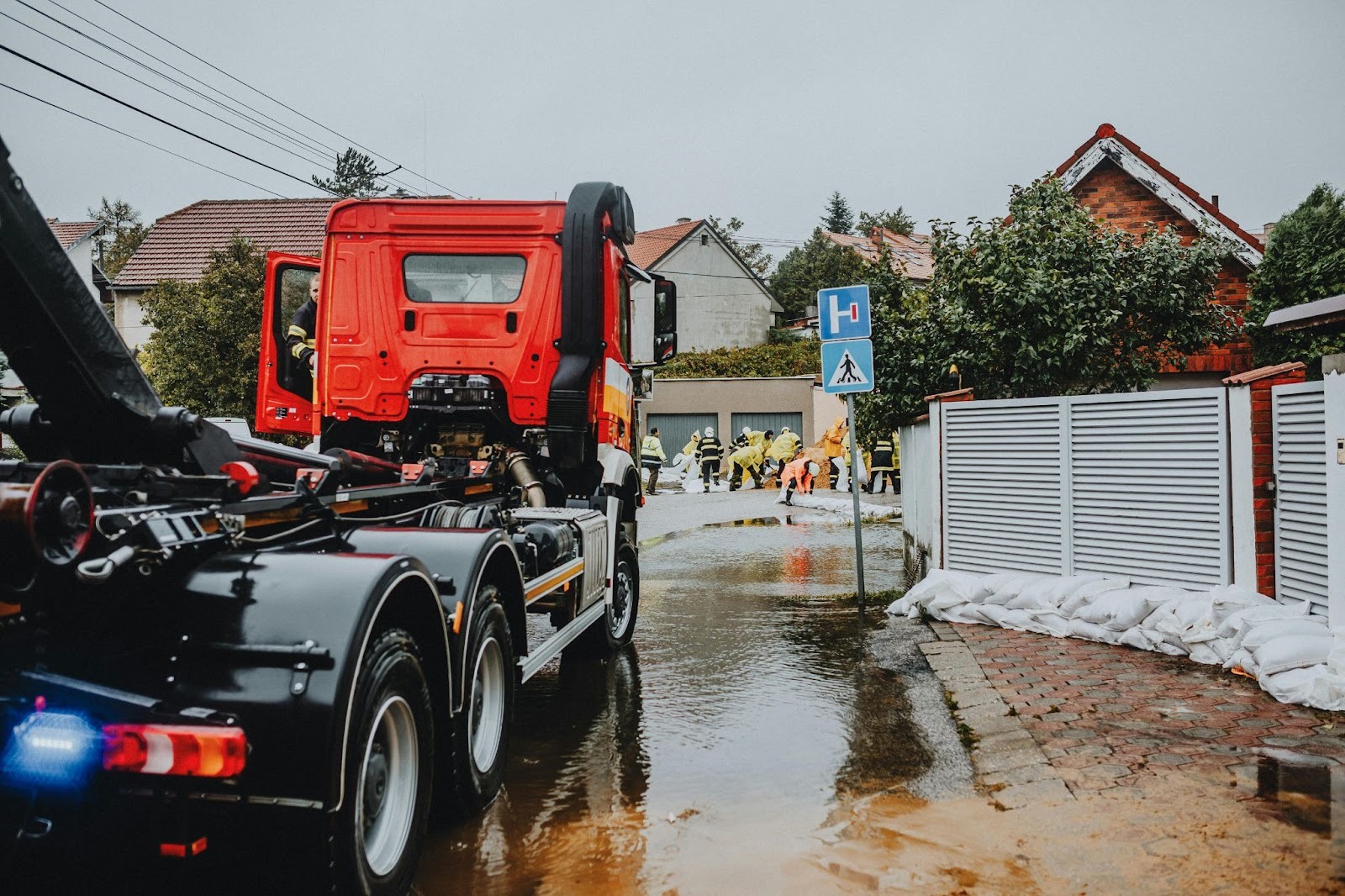
When flooding becomes a reason to reconsider the rental
Sometimes, flooding reveals something important about the property and about whether it’s sustainable for you. Constant worry during heavy rain, fear of damage, or ongoing dampness takes a toll. Even if repairs are attempted, some buildings remain vulnerable.
Choosing to move on in those cases isn’t dramatic. It’s practical. A home shouldn’t feel like a weather forecast risk.
Moving from Damage Control to Long-Term Solutions
If your rental floods during heavy rain, you’re not overreacting by taking it seriously. In the Netherlands, flooding is common, but living with repeated water damage isn’t normal or something you should quietly accept.
By responding calmly, documenting clearly, and communicating early, you protect your health, your belongings, and your position as a tenant. You don’t need to solve the weather.
You just need to make sure your home can handle it, or be honest with yourself when it can’t. That clarity turns a stressful moment into information you can actually use.