February 3, 2026
The Ultimate Guide to Renting in the Netherlands (2026 Edition)
21/2/2026
February 21, 2026
February 21, 2026
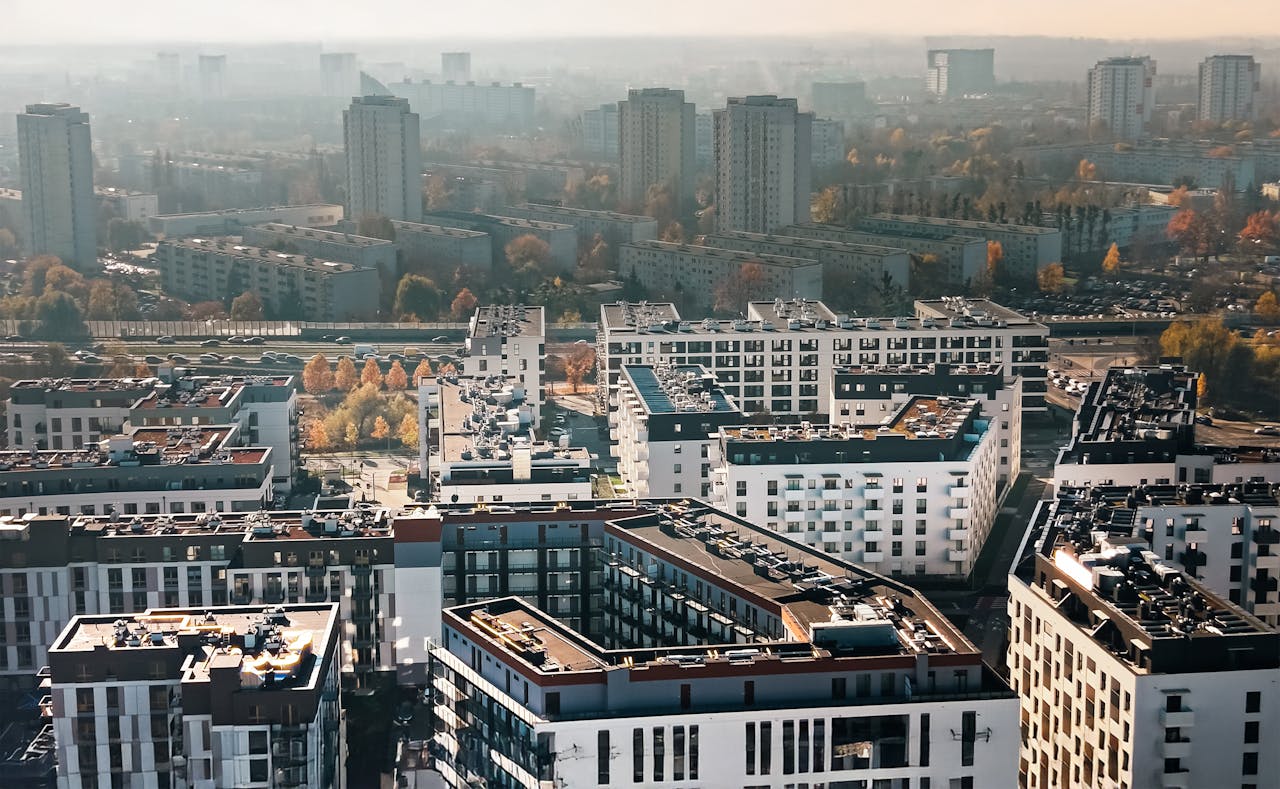
Finding a place to call home in the Netherlands has always been a bit of a national sport, but in 2026, the rules of the game have changed significantly. Between the full implementation of the Affordable Rent Act and a highly competitive market, both locals and expats need a sharp strategy to secure a key. Whether you're looking for a canal-side studio in Amsterdam or a family home in the suburbs of Utrecht, this guide covers everything you need to know about the current Dutch rental landscape.
1. Understanding the Market: Three Rental Segments
In 2026, the Dutch housing market is strictly divided into three categories based on the WWS (Woningwaarderingsstelsel) or "point system." This system assigns points based on size, energy label, and amenities.
- Social Housing (Regulated): For properties with up to 143 points. Rents are capped (currently around €880), but waiting lists can stretch over a decade.
- The Middle Segment: A relatively new category for properties between 144 and 186 points. Rents here are capped at approximately €1,158 to €1,230. This is where most middle-income earners now look.
- The Private Sector (Liberalized): Properties with 187+ points. There is no maximum starting rent, though annual increases are still regulated by the government (capped at 4.4% for 2026).
2. New Laws You Need to Know
The Dutch government has introduced several protections to make renting more "fair," though these have also caused some landlords to sell their properties, tightening the supply further. As of late 2024, indefinite contracts became the standard again. Landlords can no longer easily offer two-year "disposable" contracts. If you sign a lease today, you generally have strong renter protection from day one.
Note: Exceptions still exist for specific groups like students, refugees, or "urgent" seekers, but for the average professional, your contract is likely permanent.
Housing Benefit Expansion (Huurtoeslag)
A major win for 2026 is the expansion of the housing benefit. Previously, if your rent was too high, you couldn't get help. Now, households can apply for benefits even on higher rents, though the subsidy is only calculated on the portion of rent up to €932.93. Additionally, the age threshold for full benefits has been lowered from 23 to 21.

3. How to Win the "Housing Hunt"
In cities like Rotterdam, The Hague, and Eindhoven, a listing can receive 50 inquiries in the first hour. To win, you must be a "Gold Medal" applicant.
Step 1: Prepare Your Digital "Dossier"
Don’t wait until you find a place to gather documents. Have a single PDF ready containing:
- Valid ID/Passport (Redact your BSN for initial viewing).
- Employment Contract (Showing you are past your trial period).
- Last 3 Payslips and a bank statement showing the salary deposit.
- Employer’s Statement (Werkgeversverklaring).
- Landlord Recommendation: A quick note from your previous landlord goes a long way.
Step 2: Use the Right Platforms
- Funda.nl & Pararius.nl: The "Big Two" for professional listings.
- Kamernet: Best for rooms and shared housing.
- HousingAnywhere: Popular for expats seeking furnished units.
- Rentbird / RentSlam: Use these "aggregator" bots. They text you the second a house hits the market so you can be the first to reply.
Step 3: The Motivation Letter
In a market where everyone has the same salary, personality wins. Write a short, friendly intro. Mention that you don’t smoke, have no pets (or very quiet ones), and emphasize your stability.
4. Avoiding Common Pitfalls & Scams
High demand creates a playground for scammers. If a deal looks too good to be true in the center of Amsterdam, it probably is.
- Never pay before viewing: If the "landlord" claims to be abroad and offers to mail the keys, walk away.
- Registration is mandatory: If a landlord says "no registration at the municipality (BRP) allowed," the rental is likely illegal. You need a BSN to work and open a bank account; registration is your right.
- The "Key Money" Scam: Charging Sleutelgeld (a fee just to get the keys) is illegal in the Netherlands.
- Check the Energy Label: With utility prices fluctuating, a "G" rated apartment will cost you hundreds more in heating than an "A" rated one.
5. Costs Beyond the Rent
When budgeting, remember that the "Base Rent" (Kale huur) is just the start.
- Service Costs: Cleaning of hallways, lift maintenance, etc.
- Utilities: Gas, water, and electricity. Many 2026 contracts are "exclusive," meaning you set up your own accounts.
- Deposit: Usually 1 to 2 months' rent. By law, this cannot exceed 2 months.
- Municipal Taxes: Tenants are responsible for the waste collection fee (afvalstoffenheffing) and water authority tax. Budget roughly €400–€600 per year for this.
Summary: Is It Worth It?
Renting in the Netherlands in 2026 requires patience and a healthy budget. However, with the new Affordable Rent Act providing better price protection for the middle class and expanded housing benefits, the "Wild West" era of Dutch renting is slowly being tamed. The key to success is speed and transparency. Be the first to click, have your documents ready, and understand your rights.