February 3, 2026
Renting in Amsterdam: advantages vs. high costs
22/4/2024
February 19, 2026
February 19, 2026
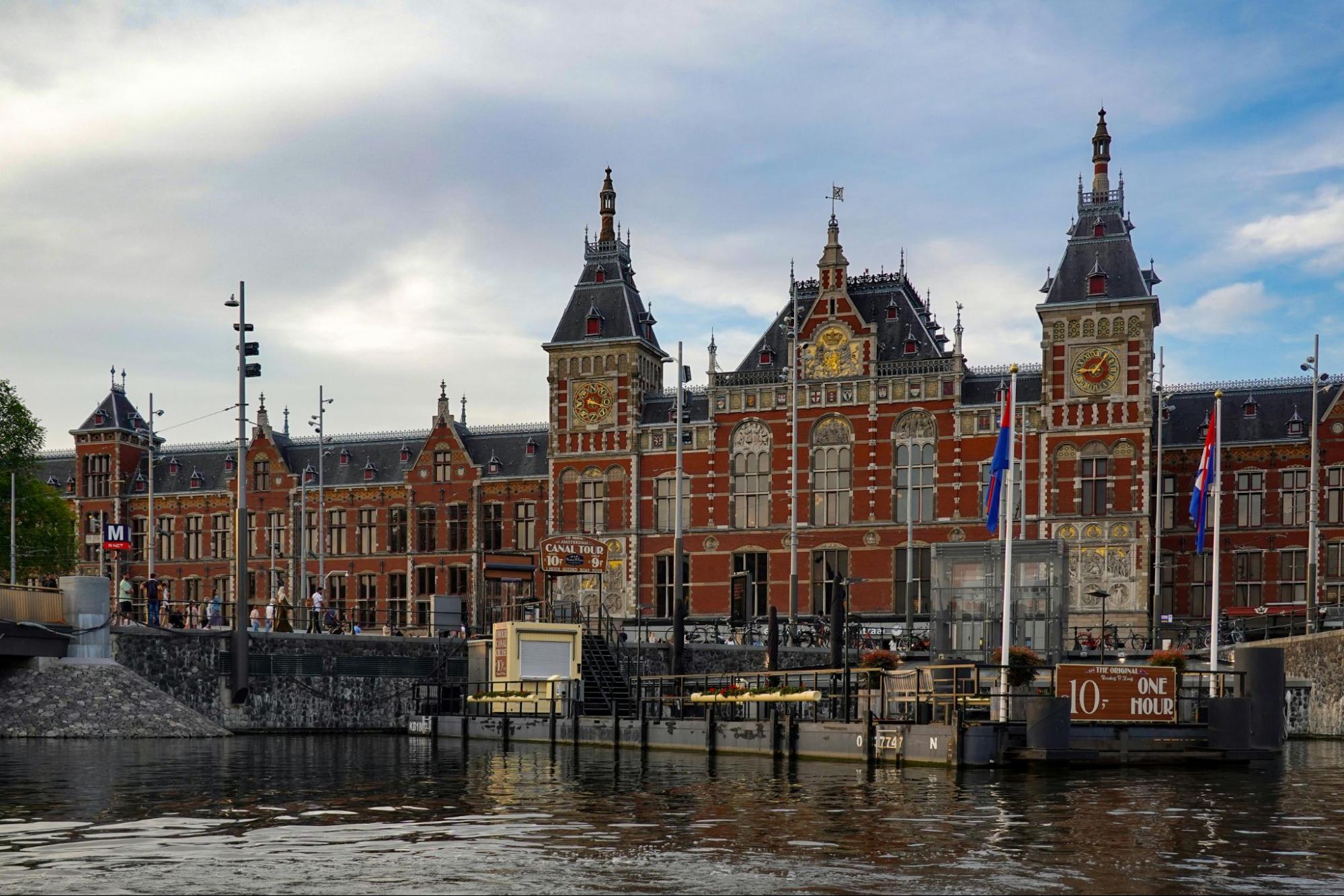
Renting in Amsterdam is often described as a paradox. On one hand, it offers an exceptional quality of life, strong tenant protections, and a city designed around convenience rather than cars. On the other hand, the costs can feel overwhelming, sometimes even illogical, especially when you compare what you pay to what you get in square meters.
If you’re considering renting in Amsterdam, the real question usually isn’t “Is it expensive?” because it clearly is. The real question is what you’re paying for and whether the advantages genuinely offset the costs for your situation. This balance looks different depending on where you are in life, what you value daily, and how long you plan to stay.
Why Amsterdam remains so attractive to renters
Despite the high rents, Amsterdam continues to pull people in locals and internationals alike. That isn’t accidental. The city is compact, walkable, and extremely well-connected. Daily life is efficient in a way that many larger cities aren’t. Commutes are short. Essentials are nearby. Social life doesn’t require planning weeks ahead.
For renters, this matters. A smaller apartment can feel livable when the city itself functions as an extension of your home. Amsterdam’s appeal isn’t just cultural or aesthetic. It’s practical.
The lifestyle advantage renters often underestimate
Many renters focus on the apartment itself when judging value. In Amsterdam, the value is often outside your front door.
Parks, cafés, libraries, coworking spaces, and public transport reduce the need for space inside the home. You’re less dependent on owning things, driving long distances, or isolating yourself indoors.
This is one reason why people tolerate, and sometimes prefer, smaller, more expensive rentals here compared to larger, cheaper homes elsewhere. You are paying for access, not just walls.
Strong tenant protections once you are settled
One of Amsterdam’s biggest advantages shows up after you secure a rental. Tenant protections in the Netherlands are relatively strong. Sudden eviction is rare. Contracts tend to be clear. In many cases, rent increases are regulated or limited.
For long-term renters, this can create a surprising sense of stability, even without owning property. The stress is front-loaded. Once you are in, life often becomes calmer.
The cost side: why rents feel disproportionately high
Now, the other side of the equation. Amsterdam’s rental prices are not high because apartments are luxurious. They’re high because demand massively exceeds supply. Limited space, strict building regulations, and years of underbuilding mean that every available rental attracts intense competition. Landlords price for scarcity, not comfort.
This is why you can pay a premium for an apartment that feels outdated, poorly insulated, or smaller than expected. You are paying for location in a constrained system.
High rent doesn’t mean low monthly stress, does it?
This is where the picture becomes more nuanced. While rent itself is high, other living costs can be lower than expected. You may not need a car. Public transport and cycling replace fuel and parking costs. Short commutes save time and money.
For some renters, the total monthly cost of living in Amsterdam isn’t dramatically higher than living farther out, once all expenses are considered. For others, especially those on tight budgets, the rent alone already stretches finances uncomfortably. The difference lies in the margin.

What high costs really limit renters
The biggest downside of high rent isn’t just less disposable income. It’s reduced flexibility. Saving becomes harder. Moving becomes riskier. Unexpected expenses feel heavier. Even small rent increases can have an outsized emotional impact.
High rent also narrows your options. You may stay in a place longer than you want because moving can be financially risky. In that sense, high costs don’t just affect your wallet they shape your behavior.
Competition adds emotional cost on top of financial cost
Renting in Amsterdam isn’t only expensive. It’s competitive. Viewings with dozens of people. Applications that disappear into silence. Strong profiles are getting rejected without explanation. This process can be exhausting, even for experienced renters.
That emotional toll is part of the “cost,” even if it doesn’t show up in your bank account. Many renters underestimate how draining the search itself can be.
Why do people still choose Amsterdam anyway?
Given all this, why do so many people still choose to rent here? Because for many, the advantages are daily, tangible, and immediate, while the costs, though heavy, are predictable.
Living close to work, friends, culture, and opportunity often outweighs financial optimization, especially for people in active career phases or social stages of life. Amsterdam works exceptionally well for people who value time, access, and experience over space and accumulation.
Who is renting in Amsterdam works best for
Renting in Amsterdam tends to suit specific profiles particularly well. People with stable income and some financial buffer cope better with high rents. Those who value urban life and flexibility over long-term wealth-building often feel the trade-off is worth it.
It’s also attractive for people who see Amsterdam as a chapter rather than a permanent endpoint. If you expect the city to give something back to you, professionally, socially, or creatively, the costs can feel more justified.
When the costs start to outweigh the advantages
For others, the balance tips the other way. If rent consumes too much of your income, stress creeps in. If you’re sacrificing comfort, savings, and peace of mind just to stay central, the city can start to feel unforgiving.
At that point, the advantages stop compensating for the pressure. This is often when renters look just outside the city, not because they dislike Amsterdam, but because they want breathing room.
The “near Amsterdam” compromise many renters make
One of the most common responses to high costs is staying connected without staying central. Living near strong transport links just outside the city can offer much of Amsterdam’s accessibility at a lower cost, with more space and less competition.
For many renters, this compromise restores balance without feeling like a step back. It’s not leaving Amsterdam behind. It’s redefining proximity.
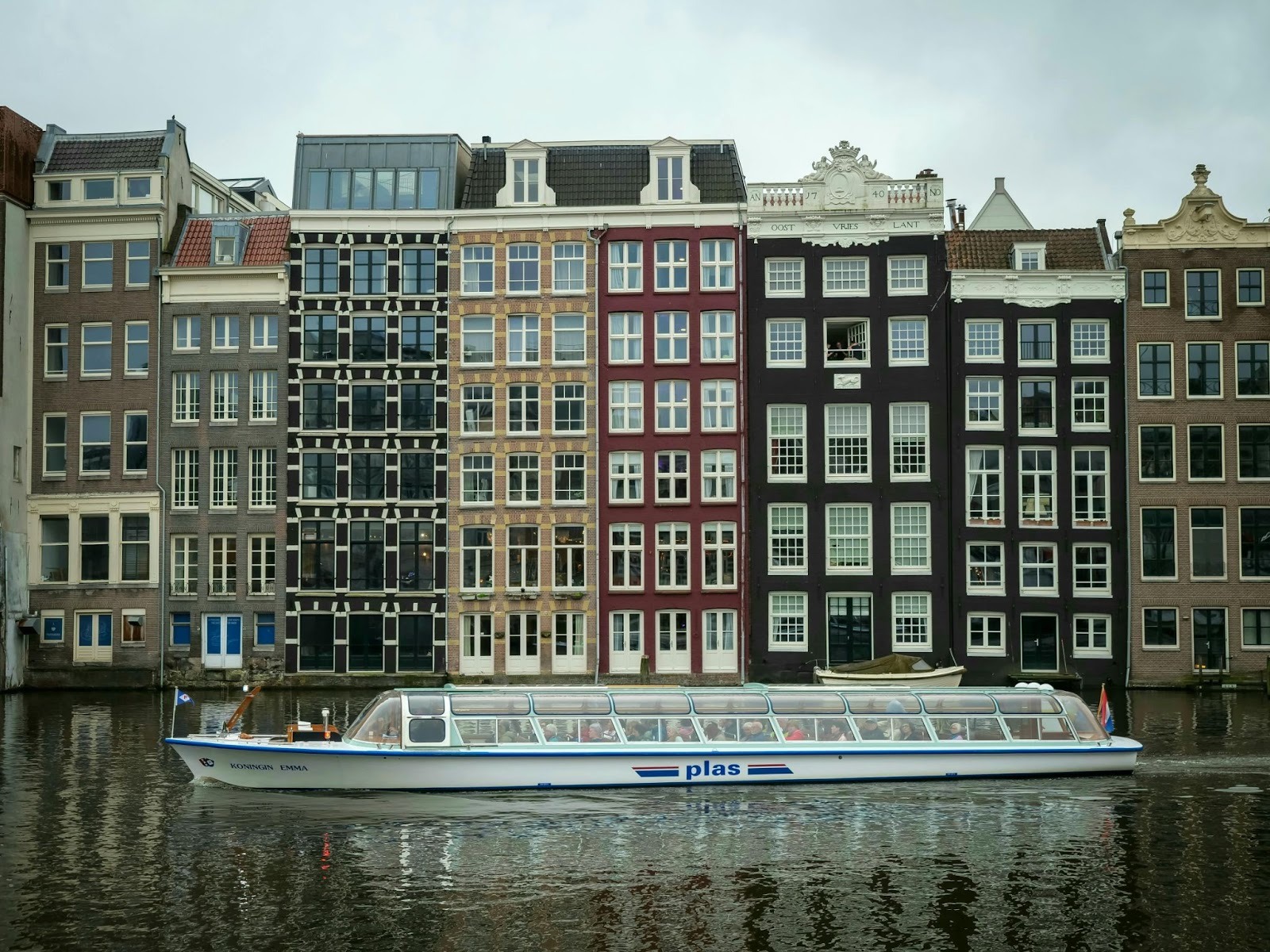
The long-term perspective many renters miss
Amsterdam renting often makes more sense when viewed as a phase, not a forever decision. You may rent here while building experience, networks, or clarity. Later, you may move elsewhere or buy when conditions are better aligned.
Treating renting in Amsterdam as a strategic choice rather than a permanent verdict reduces frustration. You are not “stuck.” You are choosing what fits now.
So are the advantages worth the high costs?
There’s no universal answer. Renting in Amsterdam offers:
- Unmatched urban convenience
- Strong tenant protections once settled
- Efficient daily life
- Cultural and professional access
But it also comes with:
- Very high rents
- Intense competition
- Limited space
- Financial pressure
Whether the advantages outweigh the costs depends less on the market and more on how well the city aligns with your priorities at this moment.
Calculating the ROI of City Living
Renting in Amsterdam isn’t irrational, and it isn’t automatically smart either. It’s a trade-off between experience and expense, access and affordability, immediacy and long-term comfort.
When the city actively supports your life, career, or happiness, the high costs can feel like an investment in daily quality of life. When it doesn’t, those same costs quickly become a burden. The key is honesty, not about Amsterdam, but about yourself.
Once you are clear on what you’re really paying for, the decision becomes less emotional and far more intentional.