

February 3, 2026
How do I handle noisy neighbors in apartments?
9/2/2024
February 19, 2026
February 19, 2026
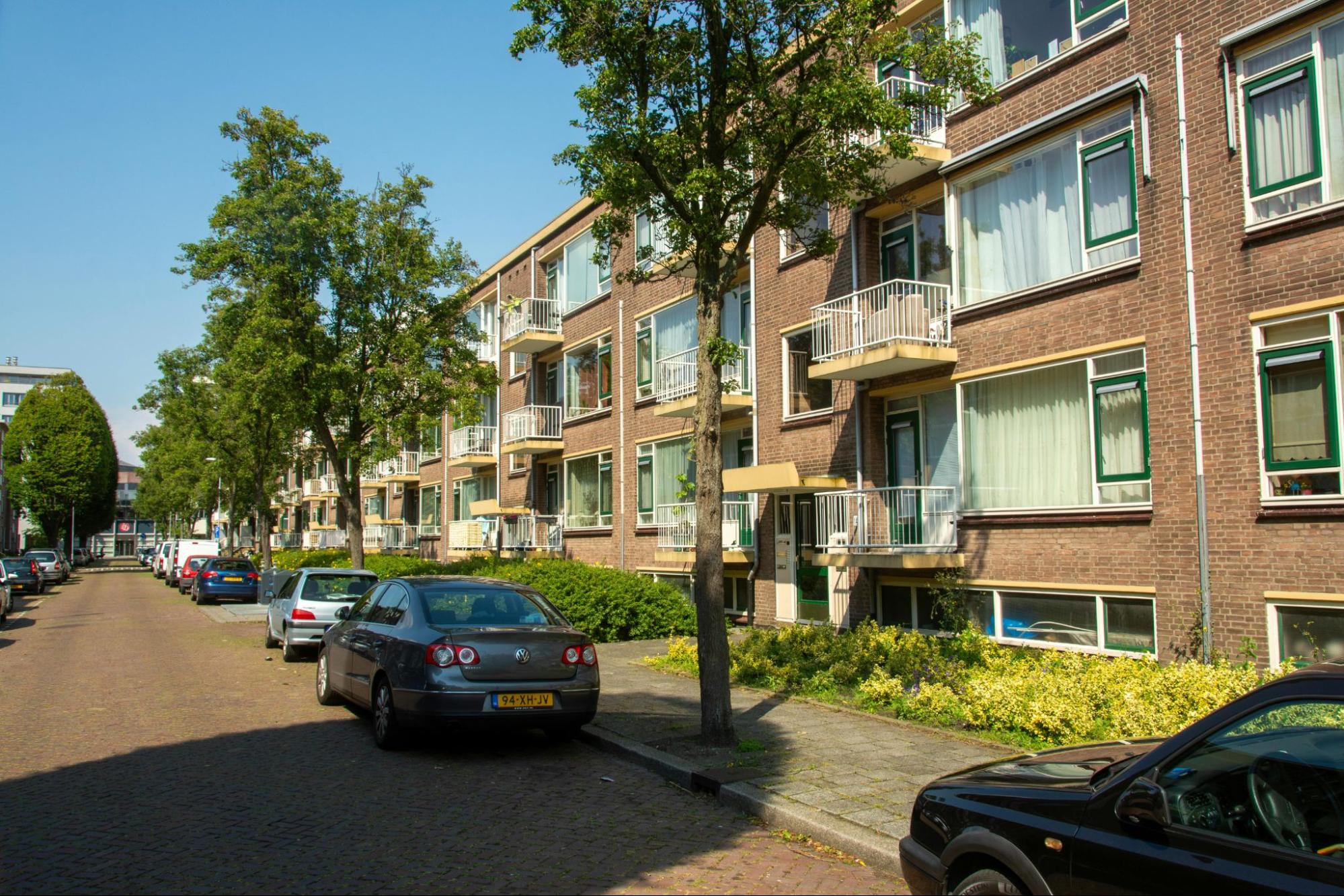
Living in an apartment in the Netherlands often means sharing more than just walls. You share ceilings, floors, stairwells, and sometimes a level of sound you did not sign up for. At first, you try to be patient. A party here, a loud phone call there. But when the noise becomes regular late-night music, heavy footsteps, constant shouting, it starts to wear you down.
What makes this situation especially difficult is that it is rarely clear what you’re supposed to tolerate and what crosses the line. You do not want to be “that neighbor.” You also do not want to spend your evenings tense and sleep-deprived. So how do you handle noisy neighbors in a realistic, effective way that doesn't immediately escalate into conflict?
Let us break it down, step by step, the way it usually unfolds in Dutch apartment buildings.
Why noise issues feel harder in the Netherlands
Dutch apartments are often older, more compact, and not always well soundproofed. Even newer buildings can transmit noise more than people expect, especially impact sounds like footsteps or furniture moving.
On top of that, many buildings house people with different lifestyles. Families, students, young professionals, and short-term renters all under one roof. What feels like “normal living noise” to one person can feel overwhelming to another. This overlap is why noise disputes are so common and why they’re rarely black-and-white.
The difference between living noise and nuisance
One of the most important distinctions to understand is the difference between normal living sounds and unreasonable nuisance.
Normal living noise includes things like walking, occasional guests, children playing during the day, or everyday household activities. These sounds can be annoying. Still, they’re generally considered part of apartment living.
NA nuisance starts when noise is excessive, frequent, or occurs at unreasonable hours, especially late at night or very early in the morning. Loud music after midnight, repeated parties, or constant shouting often fall into this category. The frustration usually comes from not knowing where that line is and whether you’re allowed to say something when it is crossed.
Why most people wait too long to act
Many renters live with noise longer than they should. They tell themselves it is temporary. They do not want to create tension. They worry it will reflect poorly on them, especially if they’re renting.
The problem is that waiting too long often makes things worse. By the time you say something, you’re already irritated, tired, and emotionally charged. Addressing noise early and calmly usually leads to better outcomes than letting resentment build quietly.

Talking directly actually helps.
Direct conversation sounds intimidating, but in many cases, noisy neighbors genuinely do not realize how much sound travels.
A polite, non-accusatory conversation can sometimes resolve the issue altogether. The key is timing and tone. Knocking on a door in the middle of the night while angry rarely helps. A calm conversation during the day often does. This approach works best when the noise is occasional rather than constant, and when the neighbor seems approachable.
You’re not asking for silence. You’re asking for awareness.
When direct contact is not a good idea
There are situations where talking directly is not wise. If the noise feels aggressive, if alcohol or drugs are involved, or if you already feel unsafe, it is better not to confront the neighbor yourself. Your well-being matters more than resolving the issue quickly.
In those cases, indirect routes such as contacting building management or the landlord are usually safer and more effective. Trust your instincts here. Feeling uncomfortable is information.
Why documenting noise matters more than complaining
One of the most common mistakes renters make is reporting noise in vague terms: “They’re always loud” or “It is unbearable.”
Those statements are understandable, but they’re hard for anyone else to act on. What helps is specificity. Dates, times, duration, and type of noise. Not emotionally factual. This does not mean obsessively recording everything. It means creating a clear picture that shows a pattern, not a one-off annoyance.
The one moment where a structured overview helps
If the noise keeps happening and informal solutions have not worked, it helps to pause and organize what is actually going on. This is the one place where a simple overview can strengthen your position.
For example, you want to be clear on:
- How often does the noise occur, and at what times
- Whether it happens during typical quiet hours
- What kind of noise is it (music, shouting, impact noise)
- Whether you have already tried to address it informally
- How does it affect your ability to live normally?
Having this clarity makes your next step calmer and more credible.

Involving the landlord or building management
If direct communication does not help or is not appropriate, the next step is usually the landlord or the building’s VvE (owners’ association), depending on the setup. Landlords are responsible for providing a livable environment. Persistent noise issues can fall under that responsibility, especially if multiple tenants are affected.
What usually works best is a written message that explains the situation clearly and neutrally, without exaggeration. You’re not asking them to “take sides.” You’re asking them to help restore normal living conditions. The more factual and calm your message, the more likely it is to be taken seriously.
Why noise complaints often feel slow to resolve
Noise issues rarely have instant solutions. Landlords may warn tenants, remind them of house rules, or monitor the situation over time. This can feel frustrating when you’re the one losing sleep.
What is important to understand is that escalation tends to work in steps. Suddenly, drastic action is rare. Progress often looks slow until it suddenly works. Consistency matters more than intensity.
When authorities come into the picture
In extreme cases, going to nighttime noise, parties that do not stop, or situations that feel unsafe, local authorities can be contacted. This is not the first step, and it is not something most people want to do. But it exists for situations where normal channels fail.
Using this option does not mean you have failed to handle things maturely. It means the situation crossed a line. The key is to use it when it is justified, not as a reaction to a single stormy evening.
What usually goes wrong emotionally
Noise problems do not just disrupt sleep. They erode your sense of home. Over time, you may feel on edge, resentful, or powerless. That emotional toll often goes unacknowledged, and it affects how you respond.
Many renters either explode after weeks of silence or give up entirely, assuming nothing will change. Both reactions come from exhaustion, not weakness. Recognizing that earlier helps you act while you still have energy and clarity.
When moving becomes the quiet conclusion.
Sometimes, despite all reasonable efforts, the noise persists. The building is too loud. The neighbor does not change. The structure itself amplifies sound. In those cases, choosing to move is not a defeat. It is a boundary. The important thing is knowing you tried realistic options first and that the problem wasn't your lack of patience.
A Practical Approach to Shared Living
Handling noisy neighbors in apartments is not about winning or proving a point. It is about restoring a basic level of peace in your daily life. In the Netherlands, where apartment living is commonplace and space is shared, noise issues often arise without malice. Most can be improved with calm, straightforward communication. Some cannot.
What matters is responding early, factually, and in a way that protects both your well-being and your position. Once you approach noise as a practical problem, not a personal failure, it becomes much easier to handle, even when the solution takes time.


