February 3, 2026
How do I find pet-friendly rentals easily?
24/2/2024
February 19, 2026
February 19, 2026
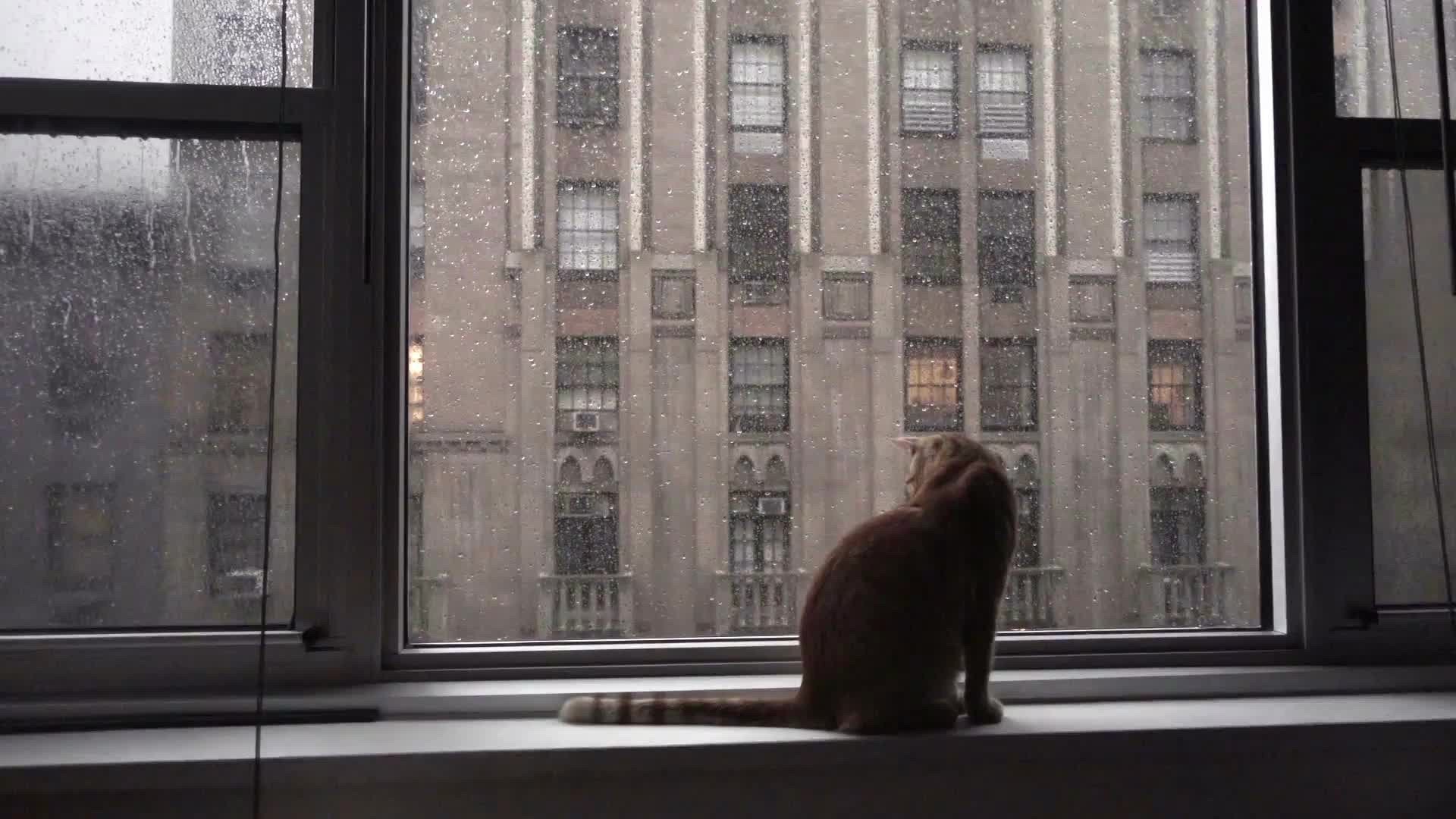
Trying to rent with a pet in the Netherlands can feel like starting every search with a disadvantage. You find a place that fits your budget, location, and timing, and then you see the line: “No pets allowed.” Or worse, nothing is mentioned at all, so you are left wondering whether it is even safe to ask.
If you have a dog or a cat, this uncertainty can quickly become exhausting. You might be asking yourself whether being honest is costing you opportunities, or whether keeping quiet is a bigger risk later on.
The good news is that pet-friendly rentals do exist even in a tight market. The challenge is that they are rarely labeled clearly, and finding them requires a slightly different approach than a standard rental search. Let us walk through what actually helps, based on how the Dutch rental market works in practice.
Why pet-friendly rentals feel so rare
It is not that most landlords in the Netherlands hate pets. It is why many see them as an unknown risk. Damage, noise complaints, allergies, neighbor disputes, even if these never happen, landlords often default to the simplest rule: no pets, no discussion. In a competitive market, they can afford to be selective.
What makes this more complicated is that “no pets” is often used as a filter rather than a reflection of strong preferences. Some landlords write it automatically, even when they might be open to discussion under the right circumstances. Understanding this distinction changes how you search.
Why listings do not always tell the whole story
Many renters assume that if a listing does not mention pets, they are not allowed. That is not always true. In Dutch listings, silence often just means “not discussed.” Agents focus on rent, income requirements, and availability first. Pets are secondary and sometimes intentionally left vague to avoid complicated conversations upfront.
This means relying only on explicit “pet-friendly” labels dramatically limits your options. Instead of filtering aggressively, it is often more effective to identify likely pet-friendly situations and approach them strategically.
Which types of rentals are more open to pets
While nothing is guaranteed, certain setups tend to be more flexible. Larger, unfurnished apartments are often more pet-tolerant than small, furnished studios. Properties with private entrances or ground-floor units raise fewer concerns about noise or shared spaces. Long-term rentals are also more likely to allow pets than short-term or corporate-style housing.
Private landlords tend to be more flexible than large agencies, not always, but often. With fewer layers of approval, decisions can be more personal and situational. This is not about gaming the system. It is about focusing your energy where it has a realistic chance of working.
Timing matters more than most pet owners realize
When the market is at peak pressure, especially late summer, landlords have no incentive to compromise. If ten applicants meet all criteria and do not have pets, flexibility disappears. Outside peak periods, the dynamic changes. Listings stay live longer. Landlords respond more personally. Questions are answered instead of ignored.
If you have flexibility on timing, this can make a noticeable difference. The same pet that is a dealbreaker in August may be acceptable in November.
How (and when) to disclose your pet
One of the hardest decisions renters face is when to mention their pet. Mentioning it too early can cause your application to be filtered out before it is even considered. Mentioning it too late can damage trust.
In practice, what often works best is waiting until there’s genuine interest after a viewing or when submitting an application, and then being clear, calm, and factual. Avoid overexplaining. Avoid apologizing. Treat your pet as a normal part of your life, not a problem you are hoping they’ll ignore. Tone matters more than the fact itself.

Why reassurance works better than persuasion
Landlords do not want to be convinced. They want to feel reassured. Long emotional explanations about how much you love your pet usually do not help. What helps is showing that you understand their concerns and have given them thought.
This might mean emphasizing that your pet is indoor-only, well-trained, or accustomed to apartment living without turning it into a sales pitch. Calm confidence signals responsibility far better than defensiveness.
The one overview that actually helps your search
Instead of trying to “find pet-friendly rentals,” it is more effective to identify rentals where pets are most likely to be accepted. This is the one time where stepping back and checking patterns helps.
Pet-friendly rentals are more common when:
- The property is unfurnished and aimed at long-term tenants
- The landlord is private rather than a large agency
- The apartment has limited shared spaces
- Demand for that specific listing is not extreme
- Communication feels personal rather than automated
This will not eliminate rejection, but it dramatically improves efficiency.
Why offering extra money rarely helps
Some renters try to solve the problem by offering a higher deposit or extra rent. In the Netherlands, this often does not work the way people expect. Landlords are usually concerned about rules, insurance, or precedent, not just cost. Extra money does not necessarily reduce perceived risk, and in some cases, it raises red flags.
What landlords care about more is predictability and simplicity. If allowing a pet feels like added complexity, money alone will not fix that.
Shared housing and pets are a different challenge
If you are looking for a room in shared housing, the dynamic changes. Here, the decision often is not the landlord’s; it is the existing tenants’. Even if the landlord allows pets, housemates may not. This means transparency matters more, and success depends heavily on fit. Some shared homes actively want a pet around. Others will reject immediately.
Trying to hide a pet in shared housing almost always backfires. Trust matters more here than anywhere else.
What usually goes wrong emotionally
Pet owners often feel they have to choose between honesty and housing. That pressure builds quickly, especially after multiple rejections. Some start blaming the pet. Others consider giving them up even when that is not realistically what they want.
The truth is that the system is not built with pet owners in mind. That is frustrating, but it is not a personal failure. Understanding the market's limits helps you stop internalizing rejection.

When expanding your criteria actually helps
If finding a pet-friendly rental feels impossible, the solution is rarely “try harder.” It is usually “adjust the frame.” That might mean expanding your search area slightly, reconsidering size expectations, or choosing unfurnished over furnished, even if that adds upfront cost.
Many renters eventually find success not by convincing landlords, but by positioning themselves in a market segment where pets are not immediately excluded.
Building Trust with Your Future Landlord
Finding a pet-friendly rental in the Netherlands is not easy, but it is not a lost cause either. The process works best when you stop looking for explicit permission everywhere and start focusing on situations where flexibility is realistic. Where timing, property type, and communication align.
You may still face rejection. That is part of the landscape. But when you approach the search with strategy instead of hope alone, it becomes far less draining. And once you find the right place, one that works for both you and your pet, the effort suddenly feels worth it.