February 3, 2026
How do I check if a rental property has mold issues?
12/1/2024
February 19, 2026
February 19, 2026
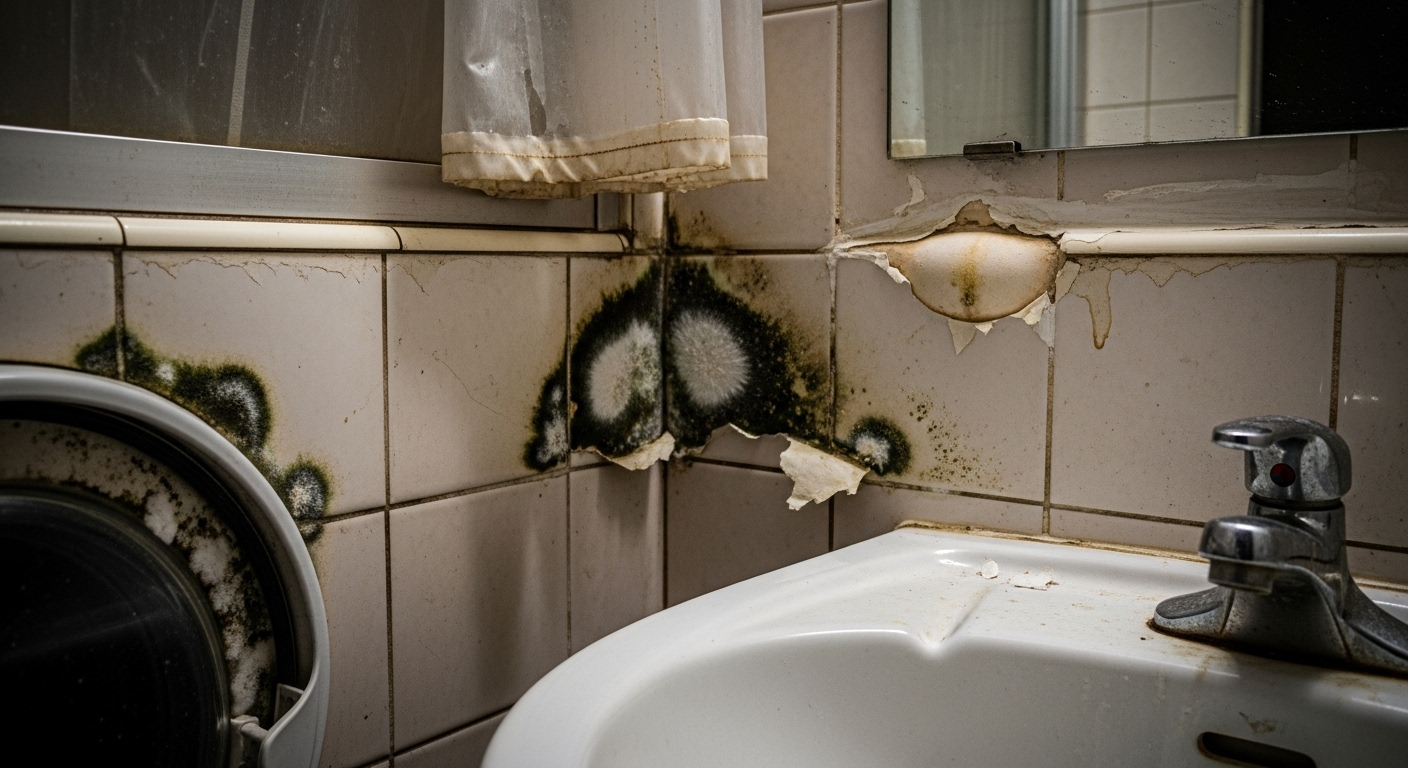
Mold is one of those problems you hope you will never deal with, until you suddenly are. In the Netherlands, it’s also one of the most common issues renters discover after moving in, not before. By then, you’re already unpacked, the contract is signed, and what looked like a perfect apartment starts to smell musty every morning.
What makes mold especially stressful is that it’s easy to miss during a viewing. Viewings are short, often crowded, and usually scheduled during the day when windows are open and lights are on. Everything looks fine. Or fine enough.
So, how do you actually check for mold issues before committing to a rental? And how do you tell the difference between a normal Dutch apartment and one that’s going to cause long-term problems? Let’s walk through it calmly and realistically.
Why mold is so common in Dutch rentals
The Netherlands has a perfect storm for mold: a damp climate, older housing stock, and buildings that are well-insulated but not always well-ventilated. Many apartments rely heavily on tenants regularly opening windows. When ventilation systems are weak or poorly maintained, moisture builds up quickly, especially in bathrooms, kitchens, and bedrooms.
This means mold isn’t always the result of neglect. Sometimes it’s structural, and that distinction matters, because structural mold problems don’t disappear just because you “air the place out.”
Why viewings rarely tell the full story
Most renters assume they’ll spot mold easily during a viewing. In reality, mold problems are often hidden or temporarily disguised. Fresh paint, recently cleaned bathrooms, strong air fresheners, or windows left open can mask both visual signs and smell. In competitive markets, viewings are also rushed. You are focused on making a good impression, not inspecting corners.
This is why checking for mold isn’t about one obvious clue. It’s about paying attention to small signals that, together, tell a story.
The first thing your nose might notice
Before you look at anything, pay attention to the smell when you enter the apartment. A persistent musty or damp smell, especially in bedrooms or bathrooms, is often the earliest sign of a mold issue. Even if you can’t see anything yet, that smell usually means moisture is trapped somewhere.
Be cautious if the apartment smells strongly of cleaning products or air fresheners. That doesn’t automatically mean there’s mold, but it’s sometimes used to cover underlying odors. If you catch yourself thinking, “It smells a bit off, but maybe it’s just closed up,” that’s worth remembering later.

Where mold usually hides in rentals
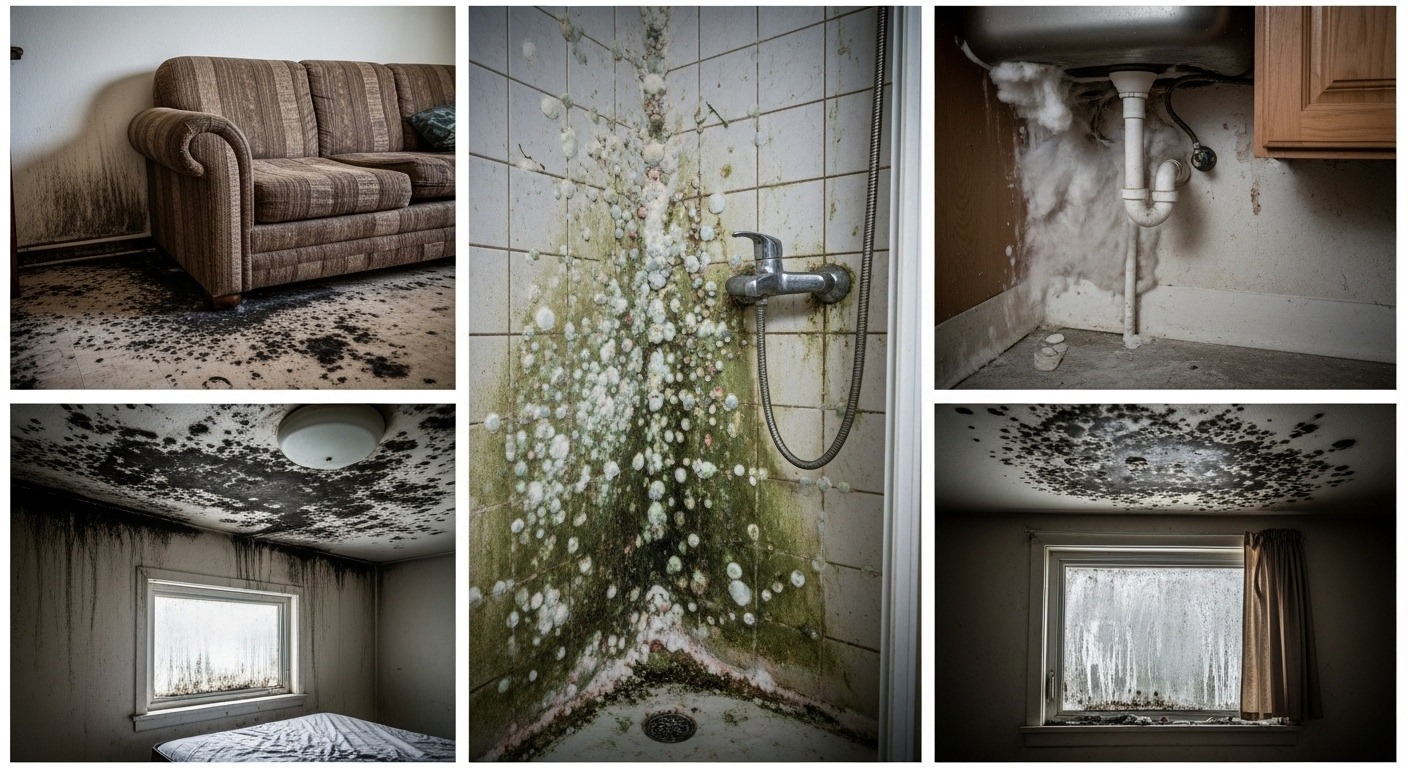
Mold doesn’t always show up as dramatic black spots. Often, it’s subtle: discoloration, small dots, or patches that look like dirt but don’t quite make sense. During a viewing, try to glance at places where moisture tends to linger. Corners of ceilings, areas behind curtains, around window frames, under sinks, and along bathroom grout are common trouble spots.
Also, pay attention to walls that feel cold or slightly damp to the touch. That often points to condensation issues, which are closely linked to mold growth.
Windows tell you more than you think
Windows are one of the best indicators of moisture problems. Look for condensation between panes, peeling paint, or dark marks around frames. Single-glazed or poorly sealed windows are especially prone to condensation buildup, which feeds mold over time.
If you see water droplets on the inside of windows during a viewing, that’s a sign the apartment struggles with ventilation, even if it’s dry outside. This doesn’t automatically mean the place is unlivable, but it does indicate a higher mold risk.
Ask questions without accusing
Many renters hesitate to ask about mold because they don’t want to seem difficult. But there’s a big difference between accusing and clarifying. You don’t need to say, “This place has mold.” You can ask whether the apartment has had moisture issues in the past, how ventilation works, or whether the bathroom fan is regularly maintained.
The way the landlord or agent responds often tells you as much as the answer itself. Clear, specific explanations are reassuring. Vague reassurances like “just open the windows” are less so, especially if the apartment already shows signs of poor airflow.
The one moment where a simple check helps
You don’t need to conduct a full inspection. But it helps to mentally run through a few checks before leaving the viewing.
This is the one time a short list can ground your impression:
- Did you notice a persistent damp or musty smell?
- Were there visible marks near windows, ceilings, or corners?
- Did the bathroom feel humid even when unused?
- Was ventilation clearly present and functioning?
- Did explanations about moisture feel specific or dismissive?
If several of these raise doubts, it’s worth pausing, even if everything else looks great.
What usually goes wrong after moving in
Many mold issues only become obvious after a few weeks. Furniture is placed against the walls. Winter starts. Windows stay closed longer. Suddenly, black spots appear behind a wardrobe or above the shower. At that point, renters often blame themselves. They’re told they are not ventilating enough, even when they are.
This is where confusion turns into frustration. While tenant behavior matters, persistent mold is often a sign of structural ventilation or insulation problems, not personal failure. That’s why spotting early signs matters so much.
When “it’s normal in the Netherlands” isn’t helpful
You may hear that mold or condensation is “just part of living here.” While some moisture is common, ongoing mold growth is not something you should simply accept. Normalizing it often shifts responsibility away from underlying issues.
And once you have accepted that framing, it becomes harder to raise concerns later without conflict. Understanding what’s typical and what’s not helps you draw a healthier line early on.
The "Health & safety" angle
Checking for mold issues isn’t about paranoia or perfection. It’s about protecting your health, your comfort, and your peace of mind in a housing market that already demands a lot from renters. You won’t catch every issue during a viewing. But noticing smells, surfaces, and explanations gives you far more information than most people realize.
Once you know what to look for in Dutch rentals, mold stops being an invisible surprise and becomes a factor you can actually weigh before signing anything.