February 3, 2026
How can I save on moving into a new rental?
15/3/2024
February 19, 2026
February 19, 2026
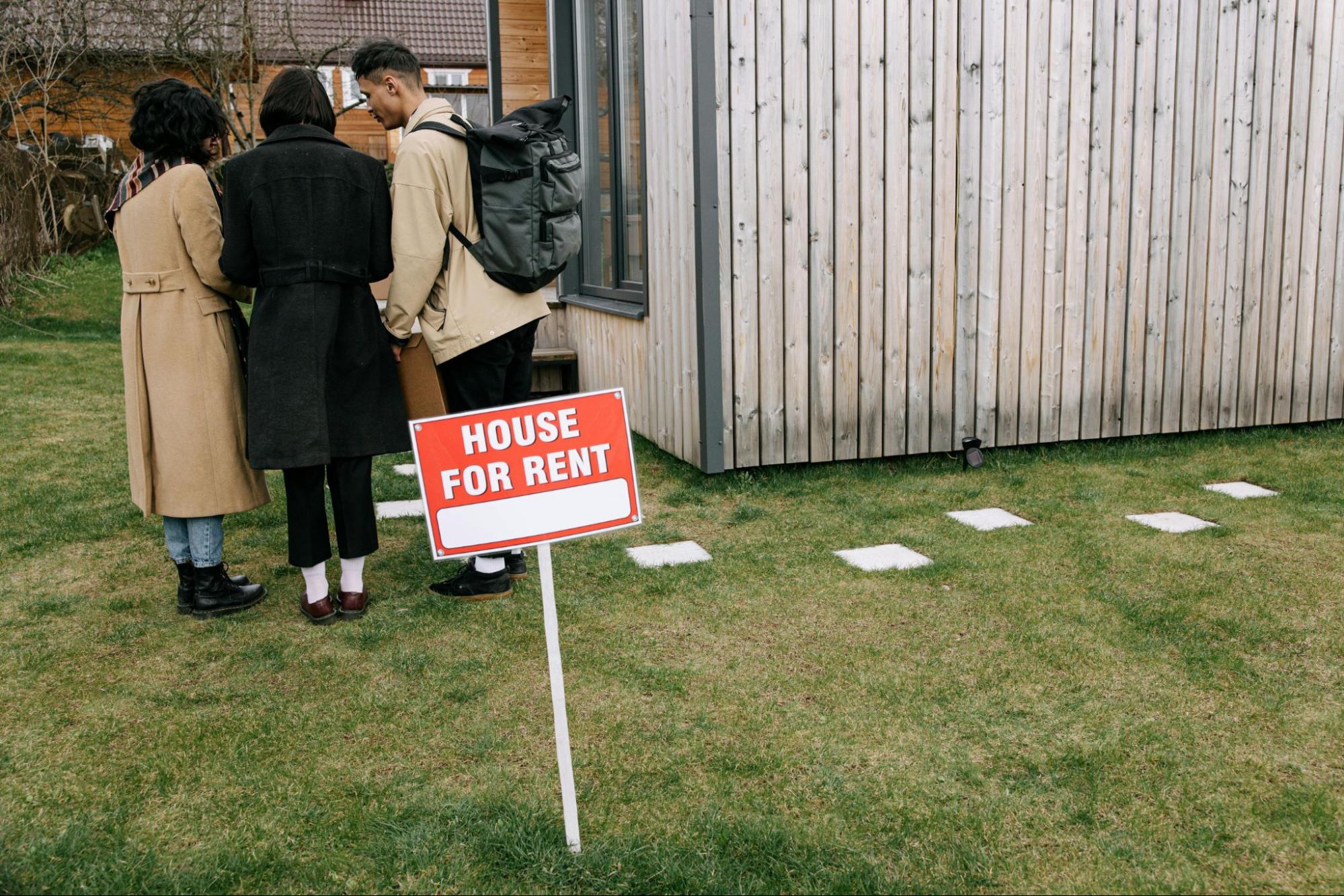
Moving into a new rental in the Netherlands is expensive, often more expensive than people expect. You finally secure a place, feel relieved for about five minutes, and then reality hits. Deposit. First month’s rent. Agency fees in some cases. Furniture. Moving costs. Suddenly, the move itself becomes a financial shock.
What makes this harder is that most advice focuses on finding a rental, not on what happens right after you get one. By the time you are thinking about costs, many of them already feel unavoidable.
The truth is: you cannot make moving cheap. But you can make it significantly less painful if you understand where money usually leaks, and where it does not actually need to. Let’s break this down in a way that fits how moving really works in the Netherlands.
Why moving costs feel so front-loaded here
In many countries, moving expenses are spread out. In the Netherlands, they hit all at once. It is common to pay a full deposit plus first month’s rent before you even have the keys. If you are moving from another rental, you may still be paying overlap rent. On top of that come practical costs: transport, setup, and basic household items.
This front-loading is what makes moves feel financially overwhelming, even when the monthly rent itself is manageable. Saving money is not about eliminating costs. It is about reducing overlap and avoiding unnecessary upgrades at the wrong moment.
The highest hidden cost is overlapping rent
One of the most expensive and least talked about parts of moving is the overlap. Many renters give notice too late or accept a new place that starts mid-month, leaving them paying double rent for weeks. In tight markets, people accept this as unavoidable, but it often is not.
Aligning notice periods and start dates takes planning, but it can save hundreds or even thousands of euros. Even shaving off one extra week of overlap makes a noticeable difference. This is one area where timing matters more than bargain hunting.
Moving services are optional more often than you think
Professional movers in the Netherlands are efficient, and not cheap. For larger apartments or difficult staircases, they make sense. But many renters default to movers without reconsidering whether they actually need them.
If you are moving locally, downsizing, or bringing only essentials, a rented van plus help from friends is often far cheaper. Even splitting costs with another person moving the same weekend can reduce expenses. The key is being honest about how much stuff you really have, not how much you think you should have.
Furnishing everything at once is a common mistake.
One of the fastest ways to overspend is trying to fully furnish your new place immediately. Many renters feel pressure to “complete” the apartment right away, especially after a stressful search. That emotional release often turns into impulse spending.
In reality, most homes do not need to be finished on day one. You can live very comfortably with the basics and add things gradually once your budget stabilizes. Spacing out purchases is not settling. It is protecting your cash flow.
Why buying second-hand works especially well in the Netherlands
The Dutch second-hand market is unusually strong. People move often, apartments are small, and furniture circulates constantly. That means high-quality items are available for a fraction of retail prices, especially if you are flexible on timing and style.
Second-hand does not just save money. It reduces delivery delays, assembly stress, and resale loss when you move again. For renters, it is often the smarter default.
Utilities and setup costs add up quietly
Many people budget for rent and deposit, then forget about setup costs. Energy contracts, internet installation, municipal taxes, and sometimes service cost advances all arrive around the same time. None is dramatic individually, but together, they can strain your first month.
Understanding which utilities are included and which are not helps you avoid surprise bills when your balance is already low. Clarity here reduces stress more than it saves money, but stress has a cost too.
The one overview that helps you cut costs fast
Instead of trying to save everywhere, it helps to focus on the few areas where savings actually matter. This is the one time a simple overview helps.
When moving into a new rental, the biggest opportunities to save usually come from:
- Reducing rent overlap
- Downsizing moving services
- Delaying non-essential furniture purchases
- Buying second-hand instead of new
- Avoiding rushed, convenience-driven decisions
Most savings come from pace, not discounts.
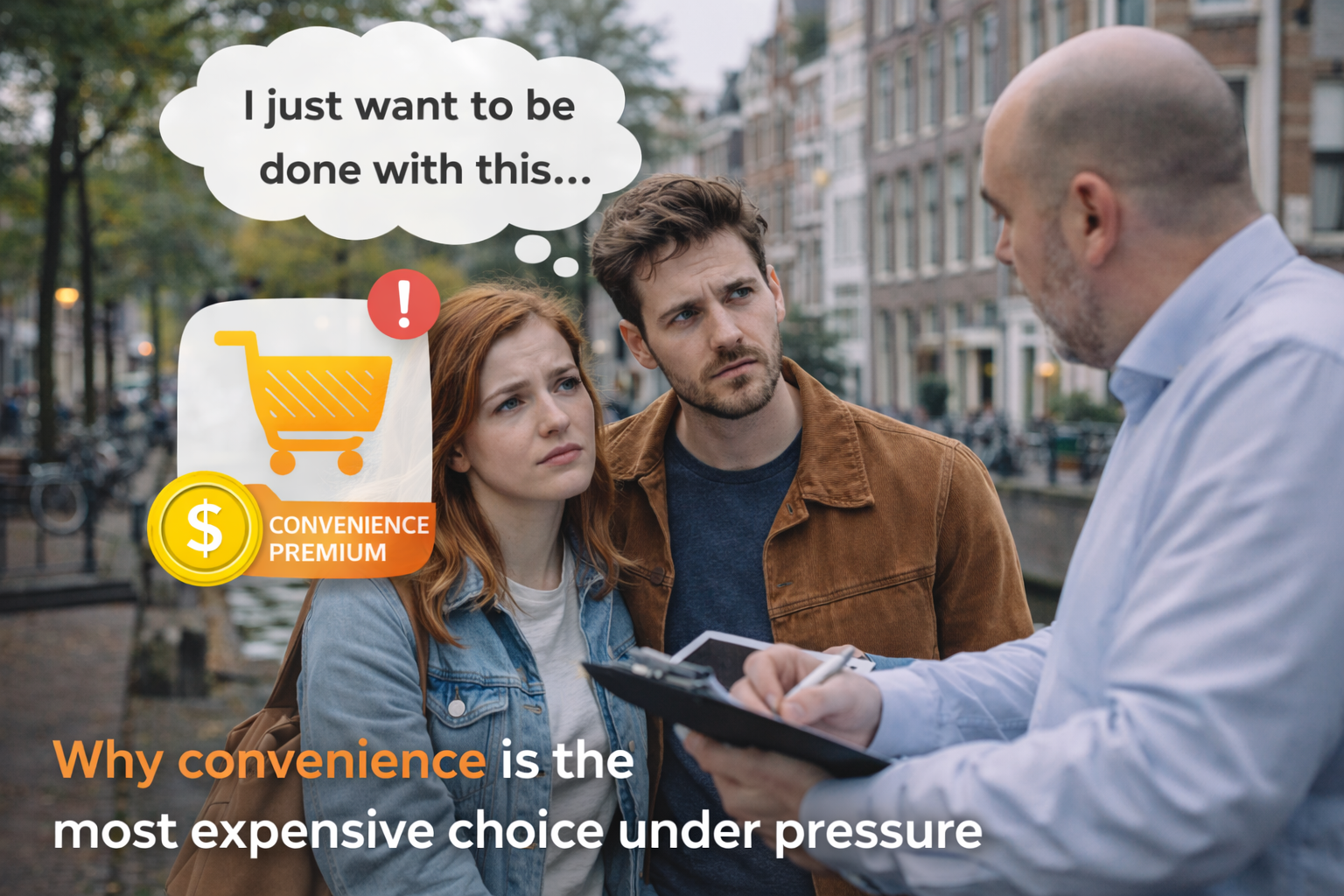
Why convenience is the most expensive choice under pressure
After weeks of searching, many renters reach a point where they just want things done, fast delivery. Full service. No thinking. That is when costs spike.
Convenience is not bad, but it is rarely neutral. In the Netherlands, convenience often means paying a premium for speed, timing, or bundled services. If you can slow the process down even slightly, you regain control over costs without sacrificing comfort.
Temporary solutions are often the cheapest ones
Many renters overlook temporary solutions because they feel like compromises. A borrowed table. A mattress on the floor for a week. Boxes instead of shelves. These things are thought of as “unfinished,” but they save money at exactly the moment you need it most.
Temporary setups buy you time, and time is what lets you make better decisions later. Once your first month stabilizes, spending becomes intentional instead of reactive.
Why deposits feel like a loss, but are not
A deposit often feels like money gone forever, which makes people try to compensate by cutting corners elsewhere. It helps to mentally separate deposits from expenses. A deposit is locked money, not spent money, if you handle move-out properly later.
That reframing does not reduce the immediate burden, but it can stop you from making poor decisions to “make up” for it.

Moving cheaply vs moving smartly
Trying to minimize every single cost often backfires. Cheap boxes that break. Underestimating transport time. Skipping essentials that you end up replacing quickly.
The goal is not the lowest possible spend. It is avoiding waste. Smart saving focuses on decisions that cannot easily be undone, timing, overlap, and contracts, rather than squeezing pennies out of necessities.
What usually goes wrong emotionally
Moving is exhausting. Financial pressure amplifies that exhaustion. Many renters overspend simply to regain a sense of control or comfort after a stressful search. The apartment becomes a reward instead of a responsibility.
Recognizing that emotional impulse early helps you pause before large purchases. Comfort comes from stability, not from finishing everything immediately.
Mastering the Art of the Phased Move
Saving money when moving into a new rental in the Netherlands is not about hacks or extreme frugality. It is about sequencing. When you reduce overlap, delay upgrades, and avoid pressure-driven decisions, costs naturally drop, without sacrificing livability.
You do not need the perfect setup on day one. You need a stable start. Once that is in place, the rest can come together gradually, and far more affordably than if you rush it all at once.