February 3, 2026
How can I prepare for a rental viewing effectively?
4/2/2024
February 19, 2026
February 19, 2026

A rental viewing in the Netherlands is rarely just a casual look around. Most of the time, it’s a quiet competition happening in real time. You walk into an apartment with fifteen other people, everyone pretending not to size each other up, all knowing only one of you will leave with a chance. That’s what makes preparation so important, and also so misunderstood.
Preparing for a viewing is not about impressing the landlord with enthusiasm or saying the “right” thing. It’s about showing up in a way that removes doubt. Because in a market this tight, landlords and agents are not looking for perfection. They are looking for the least amount of friction. Let’s talk about how to prepare in a way that actually helps not in theory, but in the reality of Dutch rental viewings.
Understand what the viewing really is
Many renters treat the viewing as the moment to decide whether they like the apartment. That’s only half the story. In practice, the viewing is also when the landlord or agent decides whether you feel like a safe, uncomplicated tenant. This judgment often happens quickly and subconsciously.
You are not being evaluated as a person. You are being evaluated as a future process: Will this person communicate clearly? Will paperwork be smooth? Will there be problems later? Once you understand that, preparation becomes much more strategic and much less stressful.
Why timing and mindset matter before you even arrive
If you arrive flustered, late, or unsure why you are there, that energy carries into every interaction. Give yourself buffer time. Arrive a few minutes early. Take a breath before going in. Viewings are short, and first impressions form fast, not because agents are harsh, but because they are overloaded.
Also, be honest with yourself beforehand. If the apartment is far above your budget or does not allow registration when you need it, attending the viewing anyway wastes energy you’ll need elsewhere. Effective preparation starts with choosing the right viewings, not attending every possible one.
Know your own profile before anyone asks
One of the most common mistakes renters make is being vague about their own situation. Agents often ask simple questions: What do you do? How long is your contract? When do you want to move? If you hesitate or contradict yourself, it creates uncertainty even if your situation is fine. You do not need a script. You just need clarity.
Knowing how to explain your employment, income stability, and plans calmly makes you easier to place in the agent’s mental shortlist. Confidence here does not mean arrogance. It means coherence.
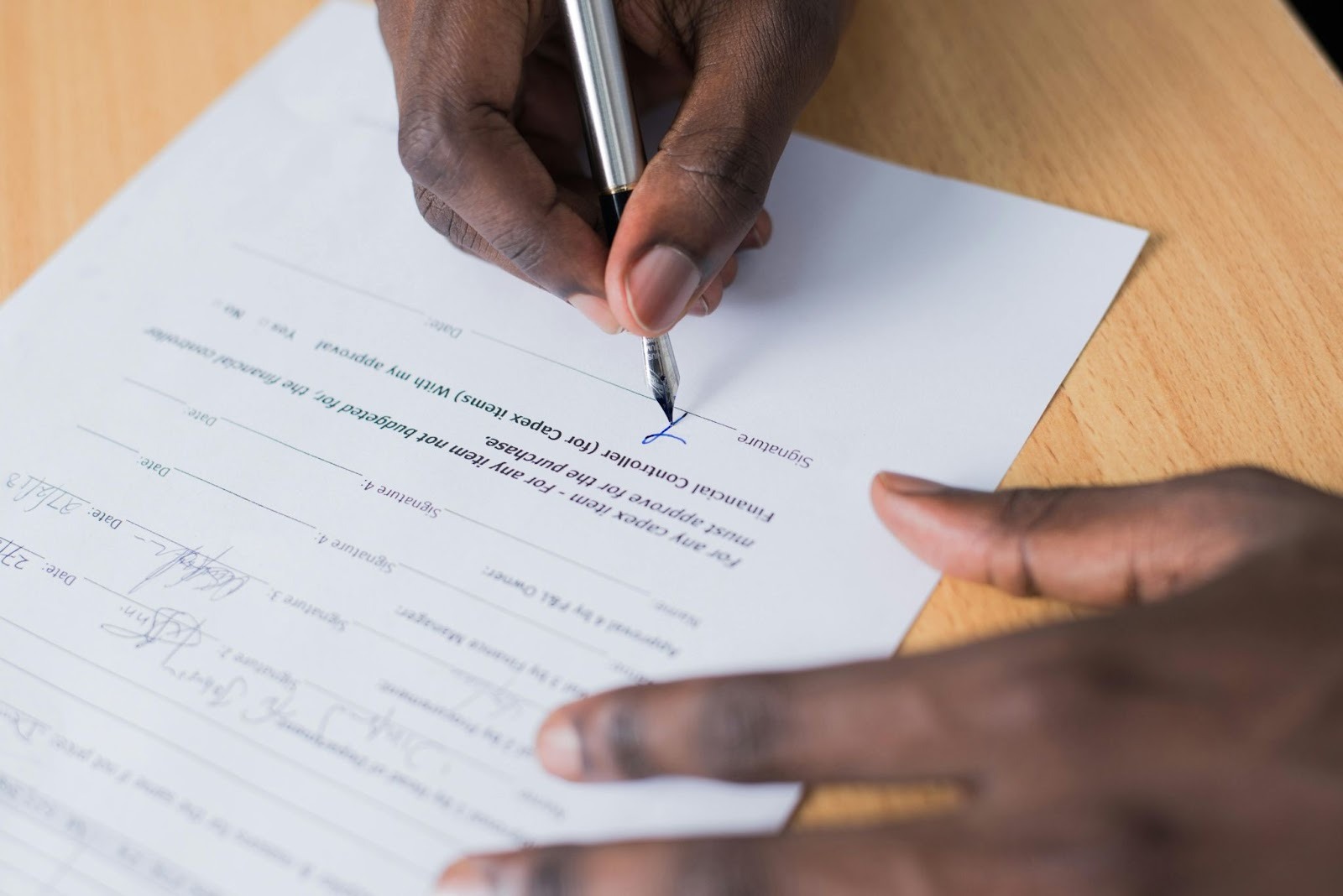
Documents are not just paperwork; they are reassurance
In the Netherlands, paperwork often matters more than personality. You do not usually need to hand documents over during the viewing, but being ready to submit them quickly makes a real difference afterward. Agents remember who can move fast without chasing.
This does not mean oversharing on the spot. It means knowing what you can provide and how quickly you can provide it. Preparation here reduces delays later, and delays often cost people the apartment.
How to observe the apartment without overthinking it
Viewings move quickly, and it’s easy to either miss important details or spiral into analysis paralysis. Instead of trying to inspect everything, focus on how the apartment behaves. Is it bright or dim? Does it feel damp? Are the windows opening easily? Is there ventilation in the bathroom?
You are not expected to spot every flaw. You are trying to avoid obvious deal-breakers that only reveal themselves once you are living there. If something feels off, do not ignore that feeling just because the market is competitive.
Asking questions without hurting your chances
Many renters avoid asking questions because they fear appearing difficult. Others ask too many, too fast, without context. The goal is not silence or interrogation. It is relevant.
Asking a few thoughtful questions shows you are serious and attentive. Asking questions that could have been answered by reading the listing signals unpreparedness. Tone matters more than content. Calm curiosity feels very different from skepticism.
The one moment where preparation becomes visible
Most of what you do to prepare is invisible. But there is one moment when it's clear: the agent asks who wants to apply. This is where many people hesitate, look around, or say they’ll “think about it.” In a competitive market, that often ends the opportunity.
If you already know the apartment fits your needs and budget, being ready to say yes matters. That does not mean committing blindly. It means you’ve already done enough thinking before the viewing.

The only checklist that actually helps
Preparation does not require dozens of steps. But before going to a viewing, it helps to be clear on a few essentials. This is the one place where structure keeps things grounded.
Before you arrive, make sure you know:
- Your move-in date and flexibility
- Your employment and income situation in one clear explanation
- Whether registration is essential for you
- Your maximum rent, realistically, not optimistically
- How quickly can you submit documents if asked
If you are solid on these, you are already ahead of most people in the room.
What usually goes wrong during viewings
The biggest mistakes are not dramatic. They are subtle. People talk too much. They overshare personal struggles. They apologize for their income. They compare themselves to other viewers out loud.
Others do the opposite; they disappear into the background, hoping not to be noticed at all. Neither extreme helps. What tends to work best is being present, polite, clear, and easy to place. Nothing flashy. Nothing desperate.
Why appearance and behavior still matter
This is not about dressing expensively or acting fake. It’s about signaling reliability. Clean, neutral clothing. Polite interaction. Respect for the space. These cues are processed quickly and unconsciously.
In a group viewing, when everything else is similar, these small signals often become deciding factors not because they should, but because humans rely on shortcuts under pressure. Preparation includes understanding that reality, even if it’s uncomfortable.
After the viewing is part of the preparation too
Many renters think preparation ends when they leave the apartment. In reality, what you do in the next hour often matters just as much. If you are interested, follow up promptly. Reference the viewing clearly. Submit what’s requested without delay.
Agents deal with volume. Clear follow-up makes your application easier to process, and ease often wins. Waiting too long, even out of politeness, usually works against you.
Mastering the Art of the Viewing
Preparing for a rental viewing in the Netherlands is not about outperforming everyone else. It’s about reducing uncertainty in a system that’s already overloaded. When you are clear about your situation, selective about where you go, and ready to move forward without rushing blindly, you stop feeling powerless even in a competitive market.
You would not win every viewing. No one does. But with the right preparation, each one becomes less draining, less personal, and far more effective. And that shift alone makes the search feel manageable again.