February 3, 2026
How can I find rentals near public transport?
16/4/2024
February 19, 2026
February 19, 2026
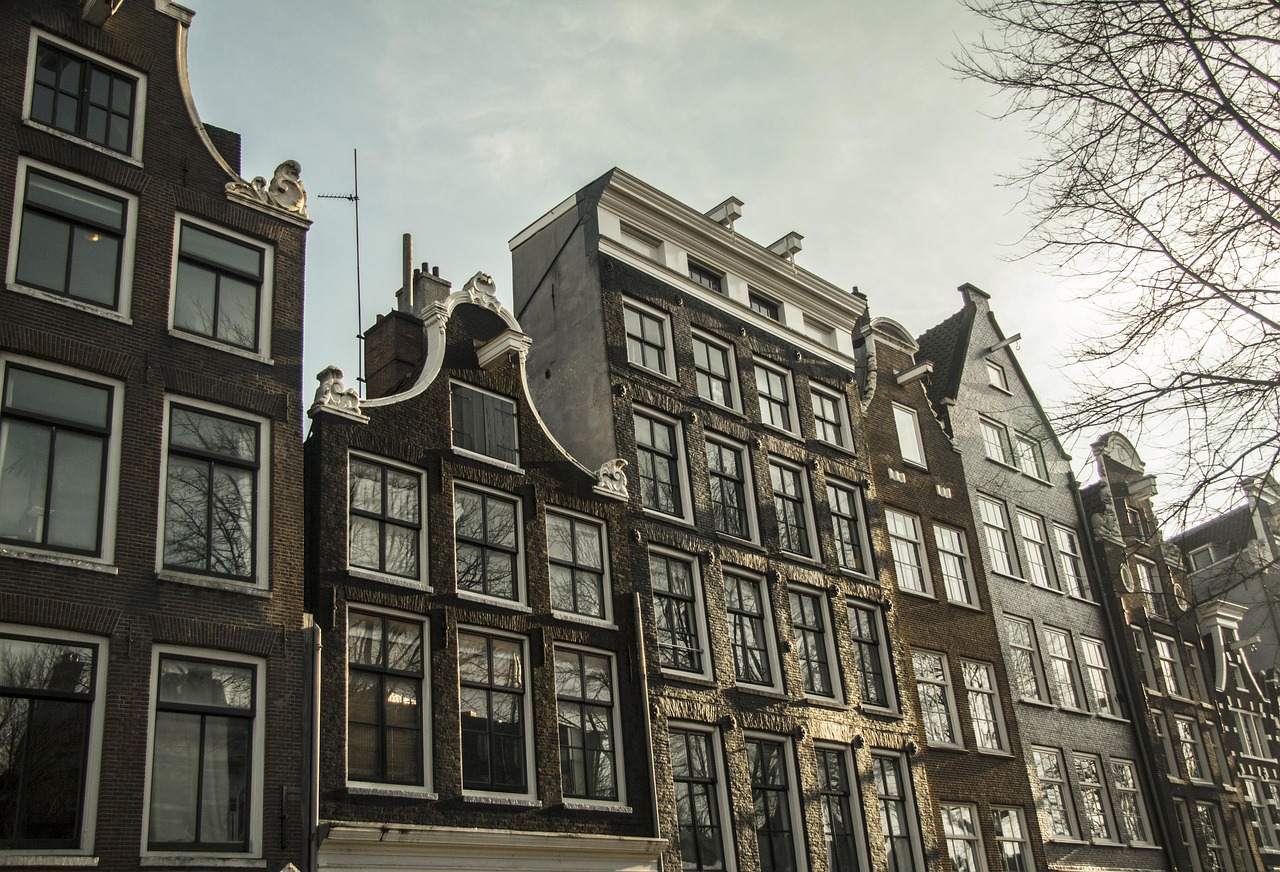
If you’re renting in the Netherlands, living near public transport isn’t a “nice-to-have.” For many people, it’s the difference between a manageable daily routine and constant stress. Missed connections, long bike rides in the rain, or unreliable buses add up fast, mainly when work, study, or childcare depend on timing.
The problem is that listings don’t always tell you what near public transport actually means. A place can look central on a map and still feel connected in real life. Another can be slightly outside the city center and feel incredibly accessible. Finding rentals near public transport is less about distance and more about understanding how Dutch cities actually move.
Why proximity beats centrality in Dutch cities
Many renters assumethey need to live “in the center” to be well-connected. In the Netherlands, that’s often unnecessary and expensive. Public transport networks are designed to move people efficiently into and out of city centers. Living near a good connection usually matters more than living near popular streets.
A small apartment next to a major station can feel more convenient than a larger one in a trendy area with poor connections. The mistake is equating popularity with accessibility.
Understand the difference between train, tram, metro, and bus
Not all public transport is equal, and this matters when choosing where to live. Trains offer speed and reliability, especially for commuting between cities. Trams and metros provide frequent, predictable service within urban areas. Buses are more variable and more affected by traffic and weather.
Living near a train or metro stop usually offers the most flexibility. Trams are excellent for inner-city movement. Buses can work, but only if frequency is high and routes are stable. Knowing which mode you’ll rely on most helps narrow your search more effectively than looking at maps alone.
Why “10 minutes away” can be misleading
Listings often describe tance optimistically. “Close to the station” can mean very different things. Ten minutes walking on a quiet sidewalk is not the same as ten minutes across busy roads, bridges, or poorly lit paths. And ten minutes cycling in good weather feels very different in winter.
When evaluating tance, think in terms of daily friction, not numbers. Ask yourself whether you’d feel comfortable making that trip twice a day, year-round.
Stations create invisible housing boundaries
In many Dutch cities, a single train or metro stop can dramatically change the rental market.
Crossing a station boundary often means:
- Lower competition
- Slightly lower rent
- Similar travel times
- Less hype, more availability
These invisible borders don’t show up clearly in listings, but locals rely on them heavily. Understanding where demand drops without losing connectivity is one of the most effective ways to find rentals near transport without competing with peak demand.
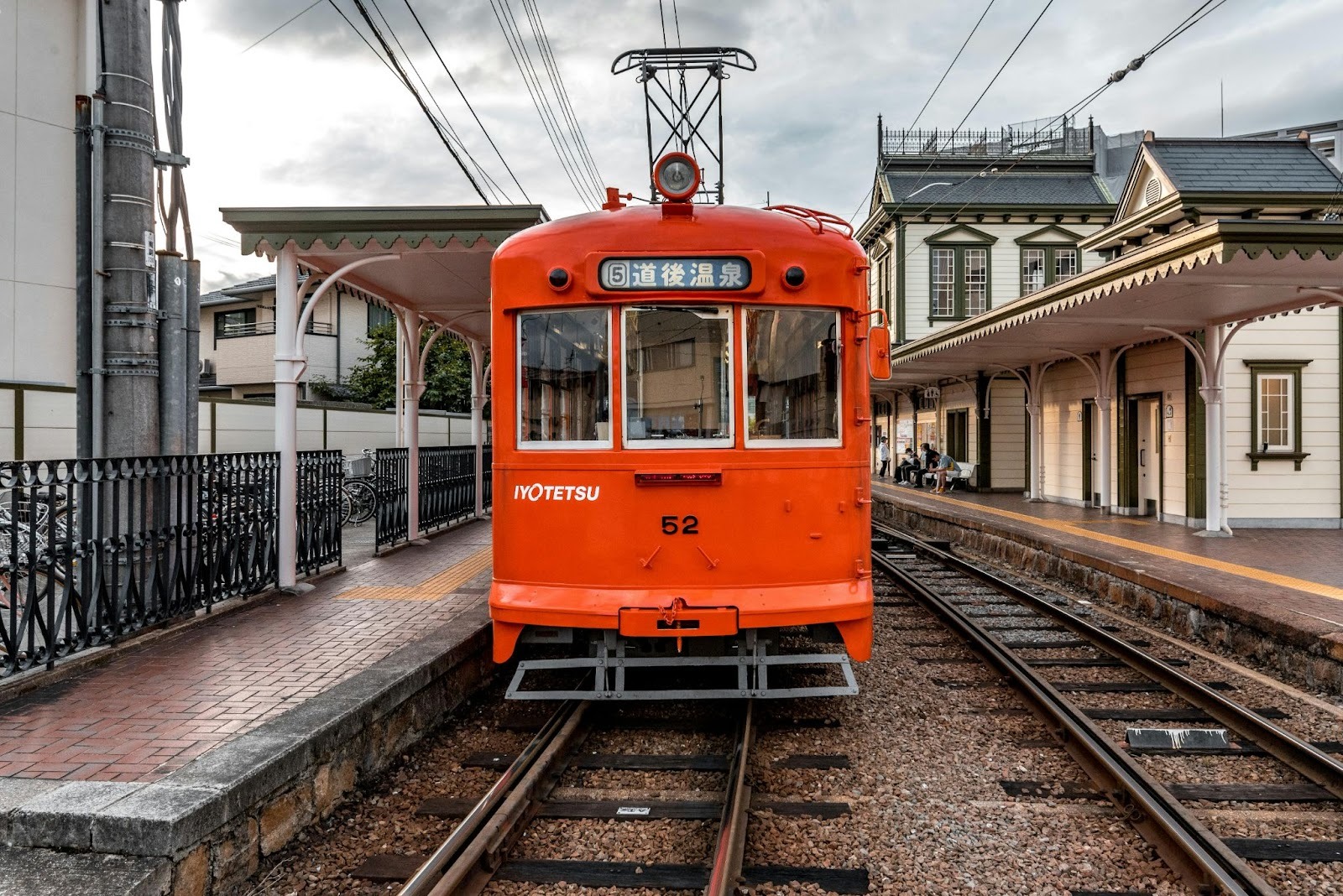
Use transport-first thinking, not address-first thinking
Many renters search by neighborhood names or postal codes. That approach often hides good options. Instead, start with the transport lines you actually use. Where does your train go? Which tram line connects to your work or campus? Which station do you change at most often?
Once you answer those questions, you can work backwards to identify areas along your daily route, not just near your destination. This shift alone often reveals options people overlook.
Why frequency matters more than tance
A stop that’s five minutes away but runs every 30 minutes is far less helpful than one that’s ten minutes away with service every five minutes. Frequency creates freedom. It reduces planning stress and makes delays less disruptive.
When checking transport access, look at:
- How often do services run during peak hours
- Whether the service drops sharply in the evening
- Weekend reliability
A well-served stop slightly farther away often beats a poorly served one right next door.
Visual cues that signal strong transport access
Even without deep local knowledge, sure signs usually indicate good public transport coverage. Dense bike parking near stations, mixed-use streets, and clusters of apartments around stops usually signal frequent service and high usage.
These areas are often designed for commuters, which works in your favor.
Why do listings underplay transport advantages?
Good transport access increases demand. Many agents don’t emphasize it because they don’t need to. Instead, they focus on size, finish, or availability. That means you often have to cover transport benefits yourself.
If a listing doesn’t mention transport at all, don’t assume it’s bad. Sometimes it’s simply taken for granted.
The one focused check that saves time
Rather than trying to evaluate everything at once, it helps to narrow your criteria. This is the one moment where simplifying improves results.
When checking whether a rental works transport-wise, focus on:
- one central station or line you’ll use daily
- realistic walking or cycling time to that stop
- service frequency during your commute hours
- evening and weekend reliability
If those four align, the location usually works even if the address isn’t ideal on paper.
How to verify transport reality before committing
If you’re serious about a place, test it. Visit the area at the time you’d normally leave home. Walk or bike to the stop. Notice crossings, lighting, and flow. Check how crowded the platforms feel.
This short test often reveals more than any map. Many renters skip this step because they are rushed and later wish they hadn’t.

Why cycling changes the definition of “near.”
In the Netherlands, cycling is part of the transport system, not separate from it. A ten-minute bike ride to a major station can be more reliable than living next to a smaller stop with limited service.
If you’re comfortable cycling, your effective transport radius expands dramatically, opening up more rental options with good connectivity but less competition. Ignoring cycling often makes searches unnecessarily narrow.
When being slightly farther out actually improves life
Some renters fixate on minimizing travel time at all costs. That often leads to overcrowded areas and stressful searches.
Living farther out but near strong transport can improve daily life. Less noise. More space. Lower rent. Same commute time door-to-door. The key is choosing connected tance, not isolated tance.
What usually goes wrong
Most renters either overestimate how close they need to be or underestimate how annoying weak transport becomes.
They choose places that look central but are poorly connected or avoid great options because they feel “too far” without checking the actual travel time. That mismatch creates daily frustration that no nice interior can fix.
Prioritizing Your Commute Over Your Postcode
Finding rentals near public transport in the Netherlands isn’t about chasing central addresses. It’s about aligning your home with how the city actually moves.
When you think in lines instead of neighborhoods, frequency instead of tance, and daily routine instead of maps, the search becomes more transparent and often less competitive.
You don’t need to live in the center to live connected. And once you experience that difference, it’s hard to imagine choosing any other way.