February 3, 2026
Advantages and disadvantages of renting in the Netherlands
18/4/2024
February 19, 2026
February 19, 2026
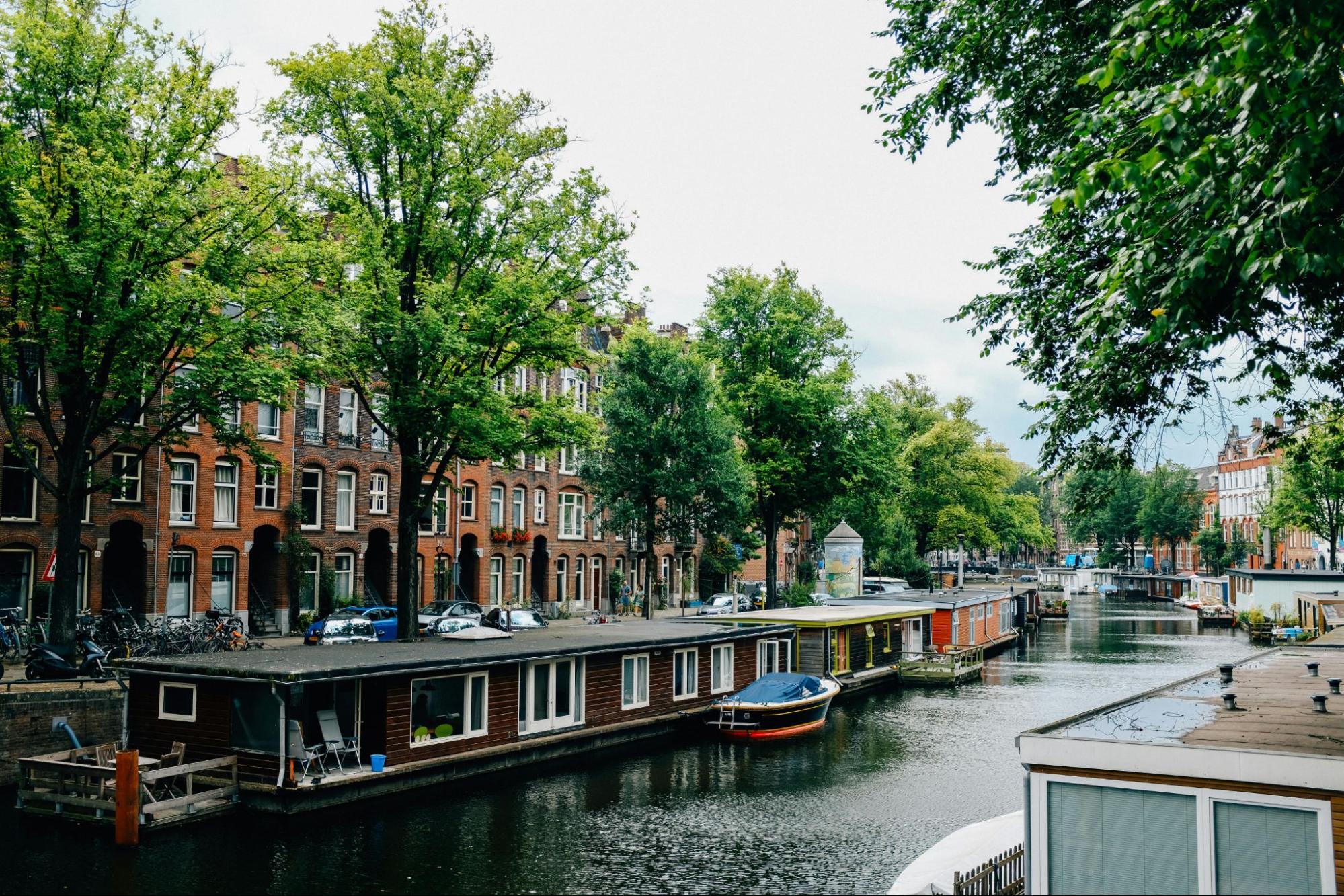
Renting in the Netherlands is often described in extremes. Some people say it’s one of the most tenant-friendly systems in Europe. Others describe it as stressful, expensive, and unpredictable. Both can be true, sometimes at the same time.
If you are renting (or about to rent) in the Netherlands, the real question usually isn’t “Is renting good or bad?”
It’s “What does renting here actually mean for my daily life, my finances, and my sense of stability?” Understanding the advantages and disadvantages together, not separately, helps you make calmer, more realistic choices in a market that already asks a lot from renters.
Renting in the Netherlands is normal, not transitional
One crucial context many newcomers miss: renting is not seen as a short-term fallback in the Netherlands. Large parts of the population rent for long periods, sometimes for life. This shapes how the system works.
Tenant protections are relatively strong, long-term renting is common, and there’s less social pressure to “move on” to ownership quickly. This cultural acceptance is an advantage, but it also comes with structural trade-offs.
Strong tenant protections once you’re inside
One of the most significant benefits of renting in the Netherlands shows up after you’ve secured a place. Once a contract is signed, tenants generally have solid protections. Sudden eviction is rare. Rent increases are regulated in many cases. Contracts are usually clear about responsibilities.
For many renters, this creates a sense of safety that isn’t guaranteed in every country. The irony is that the hardest part is getting in, not staying.
Getting a rental is extremely competitive
The most obvious downside is competition. In popular cities, it’s common to attend viewings with dozens of other people. Applications appear in silence. Firm profiles get rejected without explanation.
This creates emotional fatigue. Even experienced renters can start doubting themselves, not because they’re unqualified, but because supply simply can’t meet demand. Renting here rewards persistence more than perfection.
Flexibility compared to buying
Compared to buying property in the Netherlands, renting offers flexibility that many people underestimate. You are not locked into a mortgage. You can move for work, relationships, or personal reasons without selling a home. For internationals, early-career professionals, or people unsure about long-term plans, this flexibility is valuable.
In a country where life circumstances can change quickly, renting allows adjustment without major financial consequences.
High upfront and ongoing costs
While renting avoids mortgages, it’s far from cheap. Deposits, overlapping rent, moving costs, utilities, and furnishing expenses add up fast. Even “reasonable” rent can feel heavy once all monthly costs are included.
Because these expenses are spread out over time, many renters underestimate the true cost until they’re already committed. Affordability here is about cash flow, not just rent.
Well-developed rental infrastructure
The Netherlands has a highly structured rental system. Contracts are standardized. Registration is integrated into daily life. Utilities, transport, and services are designed with renters in mind. Even short-term renting usually comes with basic legal clarity.
This makes renting administratively smoother than in many countries, especially once you understand the system. Confusion usually comes from competition, not from lack of structure.
Limited choice in desirable areas
Not all areas are equally accessible. Central neighborhoods, well-connected areas, and popular cities are often functionally closed off unless you have the right timing, budget, or luck on your side. This forces many renters into trade-offs they didn’t expect.
You may choose between location and space. Or price and comfort. Or stability and flexibility. The advantage isn’t that options don’t exist; it’s that you rarely get all of them at once.

Renting fits urban Dutch life well
Dutch cities are dense, walkable, and transit-oriented. Renting aligns well with this lifestyle. You don’t need to worry about long commutes, car dependency, or suburban isolation. Even smaller apartments can feel livable because daily life happens outside the home, in cafés, parks, cycling routes, and public spaces. For people who enjoy urban living, renting integrates naturally into how Dutch cities function.
Quality varies wildly between rentals
Two apartments with similar rent can feel completely different. Sound insulation, energy efficiency, maintenance quality, and landlord responsiveness vary a lot, especially in older buildings. Photos rarely tell the full story.
This unpredictability means renters must be vigilant during viewings. Mistakes are hard to undo once you move in. The system protects you legally, but not from appointment.
Long-term renting can be very stable
Despite the competitive entry point, long-term renting can be surprisingly stable. Many tenants stay in the same home for years. Rent increases are often controlled. Neighborhoods change slowly. You can build a sense of home without owning the walls. For people who value predictability over investment, this is a genuine advantage.
Little wealth-building through housing
One structural downside is financial. Renting doesn’t build equity. In a country where property values have risen significantly, renters often feel financially left behind, especially compared to homeowners.
This creates long-term frustration, even for people who are otherwise happy renting. The system supports stability in living better than wealth accumulation.
Renting reduces long-term risk
Buying property carries risk: interest rates, maintenance surprises, and market fluctuations.
Renting shifts much of that risk away from the tenant. Major repairs aren’t your responsibility. Market downturns don’t trap you. You’re less exposed to long-term financial shocks tied to housing. For many people, especially in uncertain times, risk reduction is underrated.
Emotional strain during the search
One of the most overlooked downsides is emotional. Repeated rejections, ghosting agencies, rushed decisions, and constant urgency take a toll. Even confident people can feel powerless during a prolonged search.
This stress doesn’t reflect personal failure, but it feels personal when you’re living through it. Renting tests patience more than competence.
Market imbalance
The 2026 Dutch rental market is defined by a deep structural imbalance between high quality living and an extreme scarcity of available units. While the homes themselves often feature modern amenities and excellent energy efficiency, the sheer number of applicants for each listing creates a high pressure environment.
This shortage has reached a peak of roughly 410,000 homes across the country, making every successful application feel like a significant win. Competition is particularly fierce in the Randstad, where even high earners must compete with dozens of other qualified candidates for a single apartment.

So is renting in the Netherlands “good” or “bad”?
Neither nor both.
Renting in the Netherlands offers:
- Legal protection
- Flexibility
- Urban convenience
- Long-term stability
But it also comes with:
- Fierce competition
- High costs
- Limited choice
- Emotional strain
The experience depends heavily on where you rent, when you search, and what trade-offs you’re prepared to accept.
What usually goes wrong for renters
Most frustration comes from mismatched expectations. People expect fairness in a scarce market. They expect speed in a slow system. Or they expect comfort without compromise. Once expectations align with reality, renting becomes less overwhelming, even if it’s still challenging.
Choosing Realism Over the Search for Perfection
Renting in the Netherlands isn’t easy, but it’s not broken in the same way everywhere. It’s a system designed for long-term renting that operates under extreme pressure. That creates real advantages once you’re settled and real advantages when you’re trying to get there.
If you approach it with realism rather than idealism, patience rather than urgency, and strategy rather than self-blame, renting here becomes manageable, even sustainable. Not perfect. But livable. And for many people, that’s enough.