February 7, 2026
Why the Wageningen campus neighborhood is the place for impact makers
6/3/2023
February 7, 2026
February 7, 2026

Wageningen University & Research (WUR) will again be high in the choice guide in 2026, and for good reason. But in addition to academic excellence, there is another factor that determines the experience of students and researchers: the immediate environment of the university. In 2026, the “side of the university”, the campus and surrounding neighborhoods such as Bornsesteeg and Twekkelerveld, grew into a living laboratory for sustainable living and innovation.
For those considering settling here, the university side of Wageningen offers a unique synergy between academic facilities, green rest and an international community that you won't find anywhere else in the Netherlands on this scale.
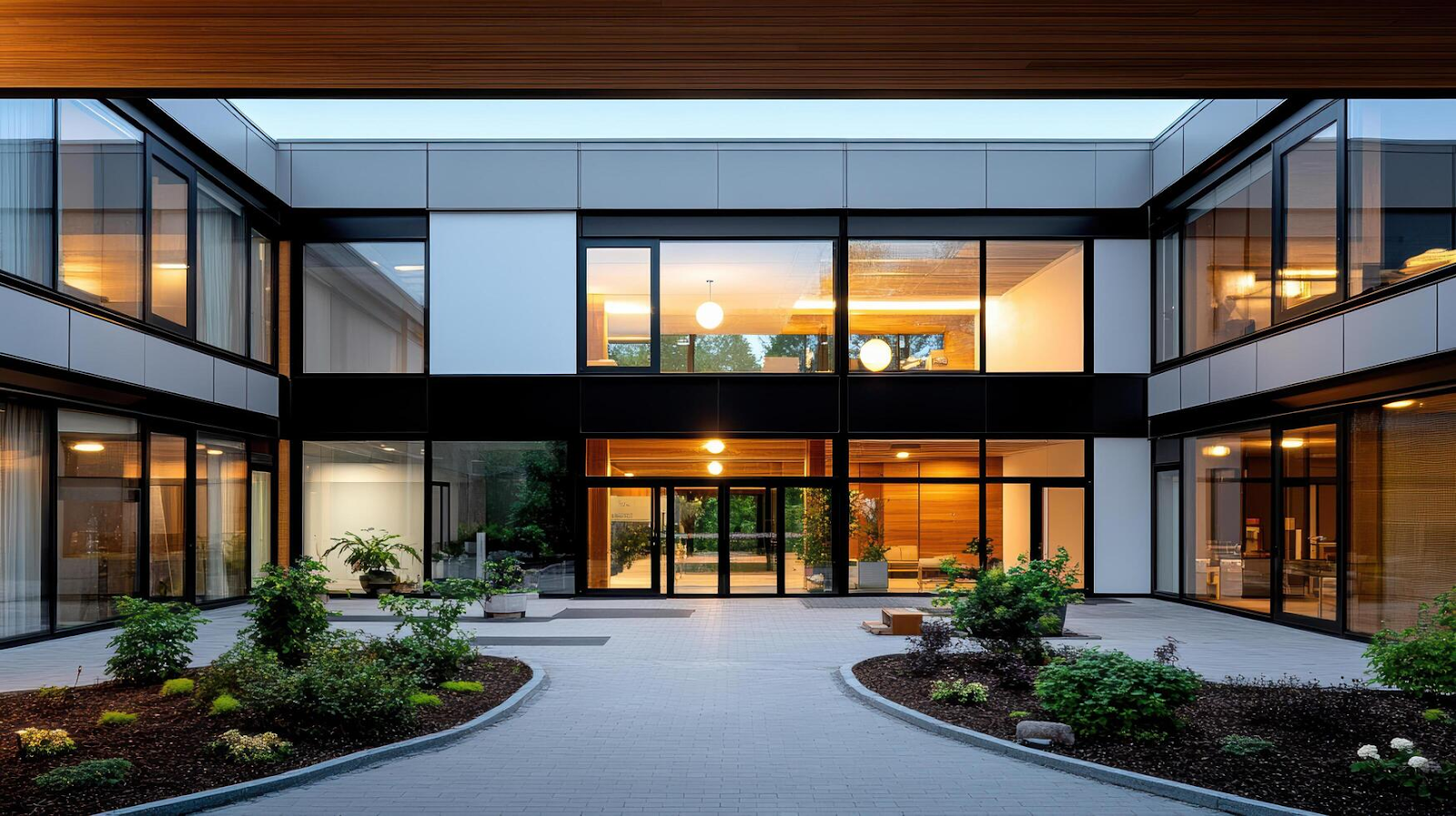
The campus as a city of the future
In 2026, the WUR campus will be much more than a collection of lecture halls. According to the 2025—2040 vision for the future, the campus has been transformed into a dynamic environment where living, working and experimenting merge.
- Self-sufficient living: Projects such as campus plaza offer independent studios where sustainability is the standard. With solar panels, green fruit grinders in the kitchens and thermal storage (WKO), you can live here almost natural gas-free.
- The “5 minute guarantee”: The proximity is the biggest asset. From your dorm room in the bornsesteeg or your studio on campus plaza, you can be in the forum, orion or aurora within five minutes. This not only saves time, but also reinforces the focus on the study.
- Living labs: As a resident of the campus side, you are literally in a testing ground. Whether it's protein transition tours or biodiversity research right outside your front door; the boundaries between campus and residential area will have almost disappeared in 2026.
An international community in a green oasis
Wageningen has a student density of over 22%, but on the university side, this percentage is even higher. This creates a unique atmosphere that feels both rural and global.
- Cultural melting pot: The university side attracts students from over 100 different countries. In 2026, this will be reflected in a vibrant culture with international “food markets” on campus and mixed residential groups where English is the main language.
- Connection with nature: While the city center offers fun, the university side offers direct access to the Gelderland Valley and the Rhine floodplains. For many students and PhDs, proximity to nature is crucial for “work-life balance”. By 2026, the ecological connection zones on campus will be fully mature, allowing you to walk in the afternoon in a wooded area that simultaneously serves as a research location.
Facilities and shared research
Living on the university side means direct access to world-class facilities, which will also be increasingly accessible to the wider campus community in 2026.
- Impulse and Omnia: These are the campus living rooms. In the Impulse debate center, you can work quietly with free Wi-Fi during the day, while concerts or workshops take place in the evening. In 2026, the omnia dialogue center will be the place where science meets society.
- Shared research facilities: For students and start-ups living in nearby neighborhoods, access to shared laboratories and advanced equipment in buildings like Helix and Radix is a huge performance booster. You're literally living next to the tools that will change the world.
The neighborhoods of the future: Nude and Northwest
Not only the campus itself, but also the neighboring neighborhoods benefit from the proximity to the university. In 2026, the municipality and WUR will work together on the renewed “city agenda”, putting research into practice in the neighborhoods of Wageningen.
- Nature-inclusive construction: In 2026, neighborhoods such as campus east will show how to build with respect for heat and flooding. For tenants and buyers, this means cooler homes in the summer and lower energy bills through smart insulation and green roofs.
- Social cohesion: The university side promotes projects such as the “Woonwerkplaats”, where status holders, students and residents live together. This strengthens the city's social resilience and makes Wageningen an example of inclusive urban planning in 2026.
Why this is the best side of Wageningen
Many students and staff consciously choose the university side because of its efficiency and inspiring environment. Where the city center is historic and charming, the campus side is ambitious and forward-looking.
The choice for this side of the city in 2026 is a choice for a specific lifestyle. It's where you run through the test fields early in the morning, participate in an international symposium in the Forum in the afternoon, and cook with your roommates from around the world with ingredients from the local picking garden in Oosterwal in the evening.
Wageningen University & Research has proven that a remote location doesn't have to be a disadvantage, provided you design the environment as a magnet for talent. On this side of the city, you're reminded of the mission every day.