February 7, 2026
What do families in the suburbs of The Hague think?
19/1/2023
February 7, 2026
February 7, 2026

In 2026, The Hague, the city of peace and justice, will be much more than just the political center of the Netherlands. For families who want to escape the hustle and bustle of the city without sacrificing the amenities of a big city, the suburbs of The Hague offer a unique mix of peace, space and international allure. From the dunes in Kijkduin to the modern lanes of Leidschenveen, the suburbs of The Hague will be the place where a high quality of life and family friendliness come together in 2026.
But what specifically draws families to these edges of the city? In this article, we dive into the most important factors that make The Hague's suburbs so attractive for parents and children.
Space and greenery: The city garden
One of the main reasons why families choose the suburbs is direct access to nature. In 2026, the policy of the municipality of The Hague is aimed at strengthening the city's “green fingers”, so that the transition between living and recreation is seamless.
- The coast and dunes: Neighbourhoods such as waldeck and kijkduin offer families the luxury of the beach as a backyard. In 2026, the renovation of Kijkduin was fully completed, including child-friendly boulevards and playgrounds in the dunes.
- Parks and estates: Families in the area of benoordenhout and mariahoeve find peace in the Haagse Bos or on the beautiful Clingendael estate. For children, there are extensive play opportunities and educational trails in these parks, such as the famous leprechaun trail.
- Madestein and the Uithof: The Madestein recreation area is located on the southwest side of the city. Here, families will not only find extensive sunbathing areas and swimming pools, but also the De Uithof sports complex, where you can skate, ski and karting all year round in 2026.
Education: An international hub
The Hague is known as the city with the highest concentration of international education in the Netherlands. For families who work at international organizations or embassies, but also for Dutch families who want to give their children a global view, the offer in the suburbs is unparalleled.
- International schools: The international school of The Hague (ISH) in Kijkduin further expanded its facilities in 2026 to meet growing demand. Schools such as the British School in the Netherlands (with locations in Mariahoeve and Leidschenveen) and the American School of The Hague (near Wassenaar) are also easily accessible from the suburbs.
- Quality local education: In addition to the international options, the suburbs are investing heavily in new buildings for local primary schools. In 2026, various projects for modern, energy-neutral school buildings will start in neighborhoods such as Houtwijk and Waldeck, where “nature-inclusive learning” is key.
Housing offer: More m² for your money
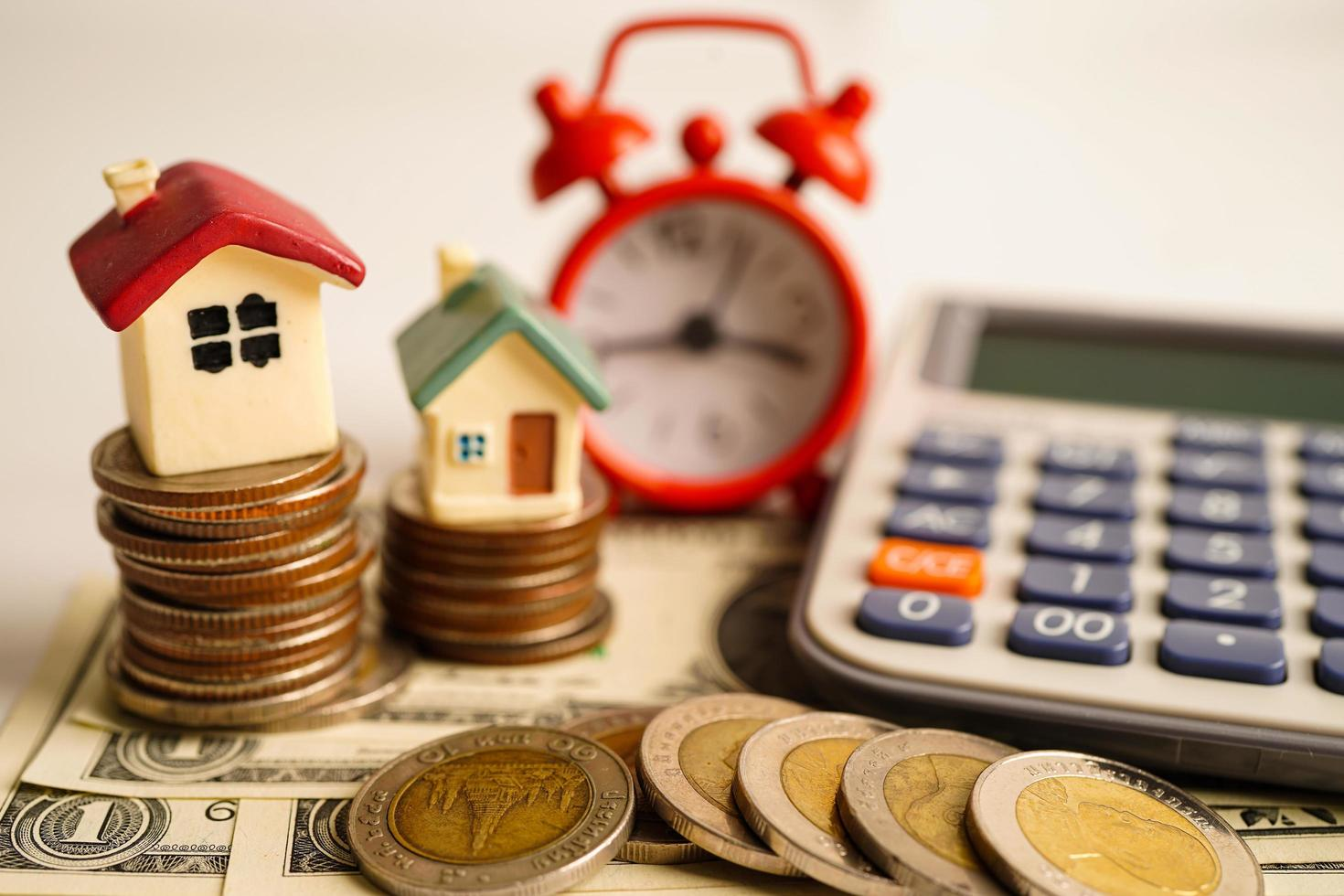
Although house prices are rising again nationally in 2026 (with an expected growth of around 3% to 4%), the suburbs of The Hague still offer more value for money than the historic city center or the Randstad centers of Amsterdam and Utrecht.
- Various types of housing: In neighborhoods such as leidschenveen and Ypenburg, families will find spacious single-family homes with private gardens and safe street play areas. These neighborhoods are designed with the car as a guest and the child at the center.
- Sustainability: Many homes in the suburbs are more recent to be built (90s and later) or have been extensively made more sustainable in recent years. With the 2026 Hague insulation program, where millions are available to home owners, these homes are not only spacious, but also energy efficient and comfortable.
Safety and quality of life
Safety is often the number one priority for parents. The suburbs of The Hague score structurally higher than the central city districts in the 2026 safety monitor.
- Social cohesion: In neighborhoods such as the fruit district and bohemia, social control is great. Neighborhood associations organize annual street parties, King's Day markets and sports tournaments, so that children can play outside safely and parents know each other.
- Accessibility: Public transport in The Hague will be more efficient than ever in 2026. Thanks to the RandstadRail and the expansion of express trams, the suburbs are connected to the city center without the need for a car. This gives older children the freedom to go to sports clubs or friends in other neighborhoods independently.

Amenities: Everything around the corner
Families in the suburbs don't have to leave the neighborhood for their daily needs. In 2026, suburban malls evolved into vibrant meeting places.
- Shopping centers: Centres such as Leidsenhage (Westfield Mall of the Netherlands) are directly accessible from the northern suburbs, but local centres such as Savornin Lohmanplein or the shops in Leidschenveen also offer a complete range of fresh food shops to childcare and medical centres.
- Sports and culture: Each suburb has its own sports parks. Whether it's hockey in the Benoordenhout, football in the Beemden in The Hague or surfing near Scheveningen/Kijkduin, the threshold for being active is low.
The balance between city and rest
Families in the suburbs of The Hague will find the perfect balance in 2026. They take advantage of the city's economic opportunities and cultural richness, but at the end of the day they retire to an environment where the air is cleaner, the gardens are larger and the children have the space to grow. The suburb is no longer a “sleeping city” here, but a vital part of a modern, international metropolis that takes the needs of the next generation seriously.