February 7, 2026
Why Leiden’s old town attracts people for culture
21/4/2025
February 20, 2026
February 20, 2026

Leiden’s old town is often admired for its canals and historic streets, but its cultural appeal extends far beyond visual charm. Culture here is not staged solely for visitors. It is woven into daily life through institutions, habits, and an atmosphere shaped by centuries of learning and civic identity.
For residents and frequent visitors, the old town feels less like a museum and more like a living framework where culture continues to develop naturally. Understanding why Leiden’s old town attracts people for culture requires looking at how history, education, and everyday activity overlap in ways that feel lived-in rather than curated.
A university presence shapes cultural depth
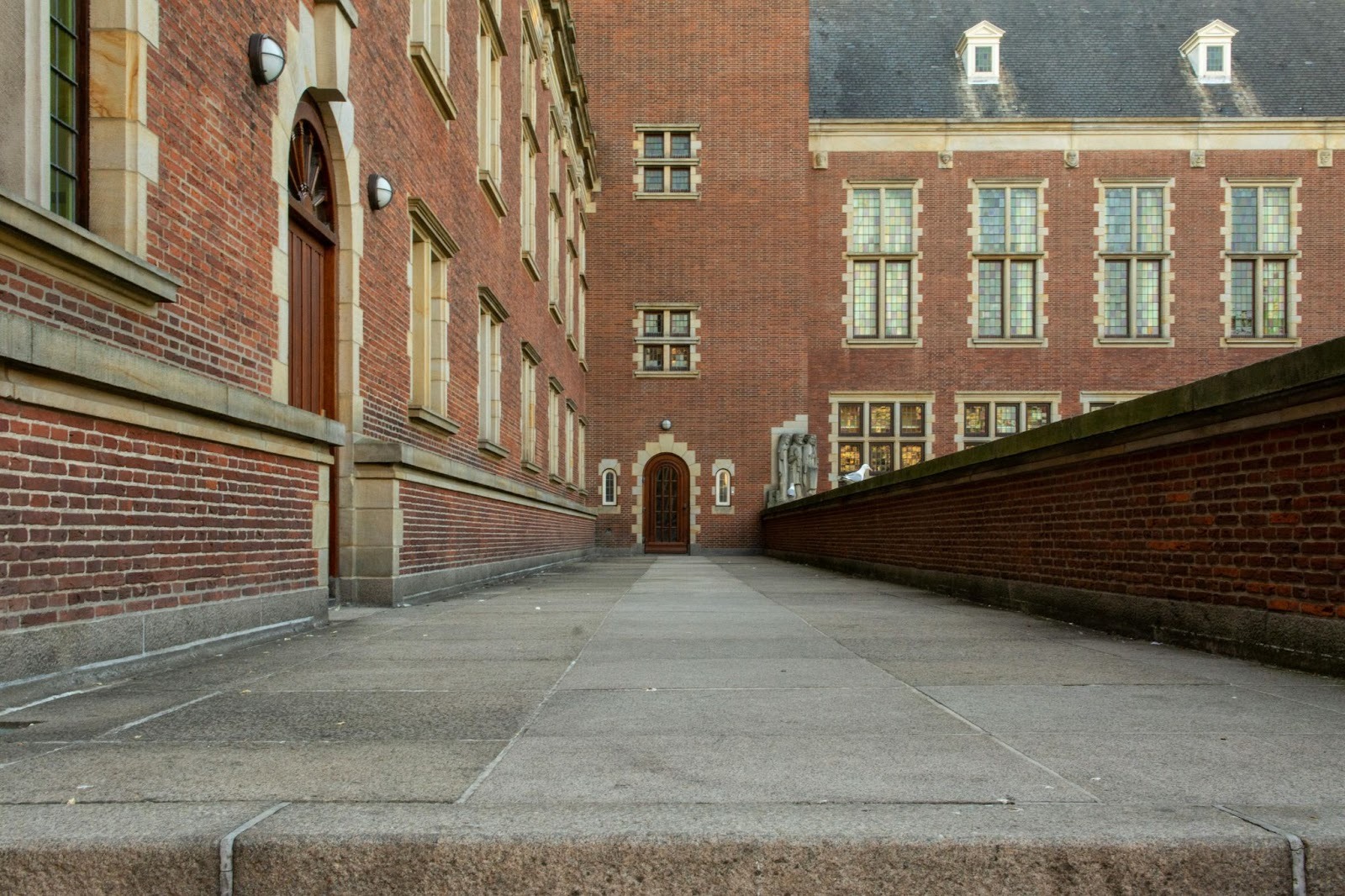
Leiden’s cultural identity is inseparable from its 450-year-old academic roots. University buildings, libraries, and the historic Academy Building are spread throughout the old town, keeping intellectual life visible rather than confined to a separate campus.
Public lectures, ceremonies in the "Sweat Room," and student debates blend into the urban environment. This integration allows learning and history to spill into everyday movement, making the city feel like a participatory classroom.
Museums are embedded in everyday routes
Leiden’s thirteen museums including four national museums are integrated into residential and commercial streets. You might pass the Rijksmuseum van Oudheden or Museum De Lakenhal while running a standard errand.
This proximity lowers the barrier to engagement and encourages spontaneous visits rather than planned excursions. In Leiden, encountering world-class art and ancient history is a daily habit rather than a rare event.
Historic architecture frames cultural experience
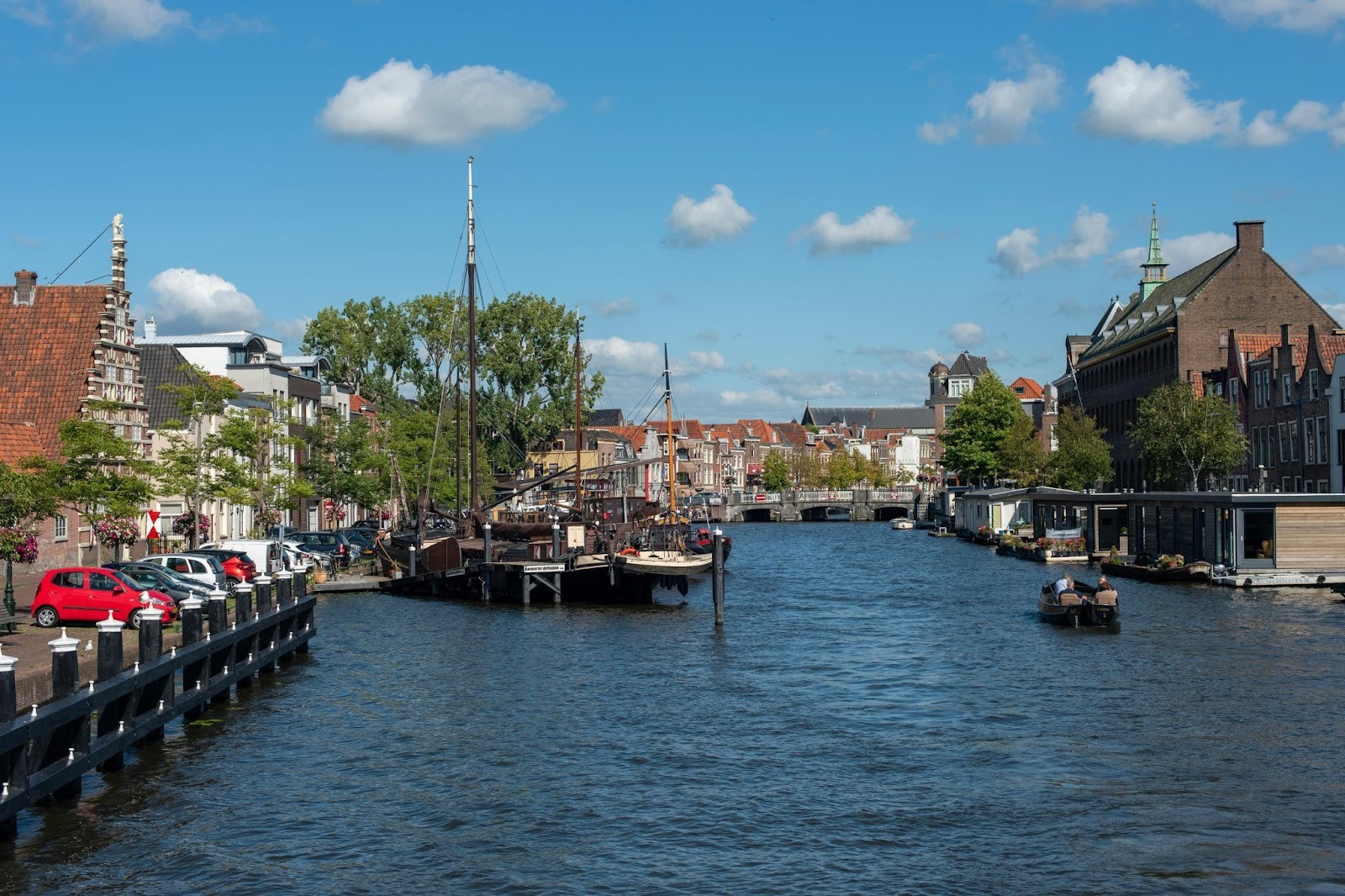
The medieval center’s architecture does more than provide a scenic backdrop; it actively shapes the cultural mood. With 28 kilometers of canals and nearly 3,000 monuments, the environment carries a tangible historical weight.
These narrow lanes and preserved façades slow the pace of life and invite reflection. Cultural experiences feel significantly deeper because they occur within the same walls that once inspired Rembrandt.
Small-scale venues support intimate cultural life
Cultural life thrives on a human scale in venues like the Leidse Schouwburg, the oldest theater in the Netherlands. Independent bookshops and intimate music spaces foster close interaction between creators and their audiences.
Events here feel personal rather than spectacular, allowing for a unique sense of community. This intimacy ensures that the city’s cultural continuity is built on repeated, familiar encounters.
Academic calendars influence cultural rhythm
The presence of over 30,000 students creates a distinct seasonal ebb and flow in the city’s energy. Activity intensifies during terms and shifts during breaks, introducing a variation that prevents the old town from feeling static.
This rhythm keeps the cultural scene dynamic while still preserving quiet periods for reflection. The city breathes in sync with the university’s schedule, balancing vibrant energy with scholarly calm.
Language and diversity enrich cultural exchange
Leiden’s international community, representing over 120 nationalities, shapes the daily soundscape of the old town. Multiple languages and global perspectives coexist naturally, enriching local debates and artistic expression.
This diversity keeps cultural life active and forward-looking rather than purely nostalgic. It transforms a historic Dutch setting into a modern, outward-looking hub of global dialogue.
Public space supports informal cultural encounters
Squares, bridges, and canal edges function as informal stages for the city's inhabitants. Whether it’s people gathering for the "Relief of Leiden" celebrations or just reading by a canal, the line between participant and audience is often blurred.
These unplanned encounters often feel as meaningful as organized exhibitions or concerts. They reinforce the idea that in Leiden, culture is a shared, living experience that belongs to everyone.
Tradition and experimentation coexist comfortably
Leiden’s old town masterfully balances its 800 years of history with a spirit of modern innovation. Academic rituals and centuries-old celebrations, like the "Relief of Leiden," share the stage with contemporary art installations and digital heritage projects.
This layering ensures that the city’s identity is never static. Rather than clashing, the historic backdrop provides a stable foundation that encourages bold, creative exploration from its modern residents.
Daily life reinforces cultural literacy
Spending time in the old town gradually builds a high level of "cultural literacy" through osmosis rather than effort. Residents become accustomed to seeing poetry on walls or stumbling upon outdoor debates as part of their morning commute.
Over time, this repeated exposure makes world-class culture feel like a personal part of one's identity. In Leiden, culture is not a product to be consumed occasionally; it is the atmosphere you breathe every day.
Walkability enhances cultural immersion
The compact, bicycle-friendly nature of the old town is a primary driver of its immersive feel. Because distances are short and the streets are designed for people rather than cars, residents are constantly exposed to the city's details.
A five-minute walk might take you past a 17th-century gate, a hidden courtyard garden, and a mural of a Shakespearean sonnet. This ease of movement encourages a sense of constant, spontaneous discovery.
Cultural institutions remain approachable
Despite their global reputation, Leiden’s museums and academic spaces emphasize openness and public engagement. Many institutions, such as the Rijksmuseum van Oudheden, host community events and workshops that strip away the feeling of exclusivity.
By making high-level knowledge approachable, these organizations foster long-term involvement from the local community. This accessibility ensures that cultural life remains a democratic, shared resource for everyone.
The old town resists over-commercialization
Leiden has carefully avoided the "museum-city" trap where historic centers become mere commercial spectacles for tourists. While it offers charming cafés and local shops, they have not displaced the city's core cultural and residential functions.
This restraint preserves the town's authenticity and prevents the "cultural fatigue" often found in overcrowded capitals. It allows the city to maintain a genuine soul, where history is lived in rather than just looked at.
Culture supports long-term attachment
People drawn to Leiden’s old town often maintain lasting ties that persist long after their residency ends. Even those who move to other cities frequently return for specific lectures, museum openings, or the annual October 3rd celebrations.
This cultural connection outlasts a simple rental contract and becomes a permanent part of one's personal history. For many, Leiden isn't just a place they lived; it’s a community they remain intellectually and emotionally anchored to.
Trade-offs remain part of everyday life
Living in a 17th-century environment naturally involves significant compromises compared to modern suburbs. Residents navigate older buildings with steep stairs, strict preservation rules for renovations, and the logistical challenges of narrow, car-free streets.
However, for those who prioritize cultural immersion, these trade-offs are seen as meaningful parts of the experience rather than mere inconveniences. The "character" of the home is viewed as a fair exchange for the lack of a modern elevator.
Engagement Over Consumption
Leiden’s old town attracts people because it treats culture as an ordinary, essential part of life rather than an exceptional event. Academic life, museums, and historic architecture intersect so naturally that they encourage continuous engagement.
The city does not ask people to actively search for culture; it simply surrounds them with it at every turn. For those who value reflection and a living connection to history, Leiden offers an environment that feels deep, accessible, and quietly enduring.