February 7, 2026
Why is Utrecht’s east side growing popular?
15/2/2025
February 20, 2026
February 20, 2026
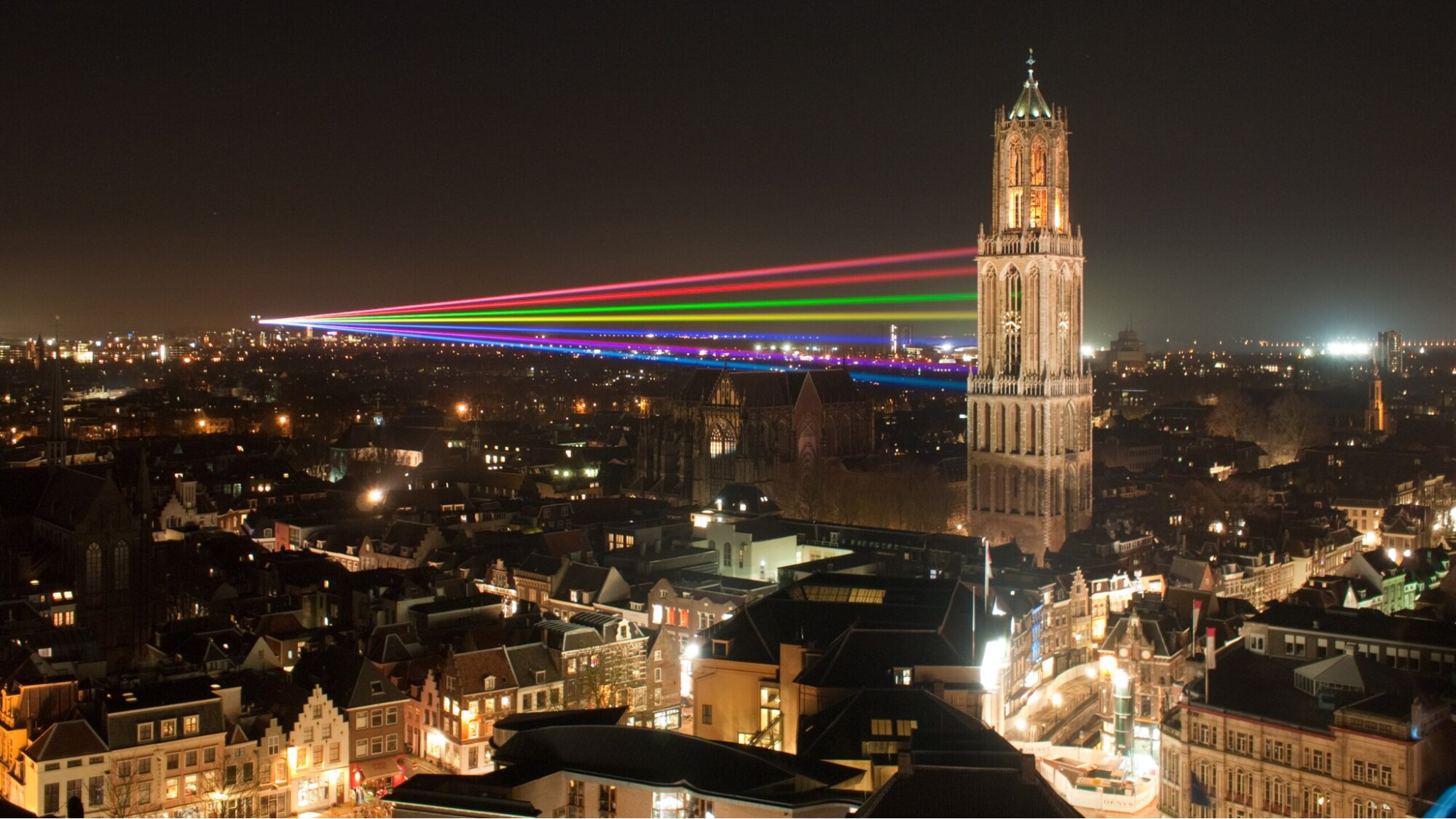
Utrecht’s east side has been quietly gaining attention, especially among families, professionals, and long-term renters who feel squeezed elsewhere in the city. While the historic center and west-side developments often dominate headlines, Utrecht Oost has been building its appeal in a more subtle way, through livability, stability, and everyday comfort.
The growing popularity of Utrecht’s east side isn’t driven by hype. It’s driven by how well the area fits real, daily life once the initial excitement of “central living” wears off.
In 2026, Utrecht Oost remains one of the most competitive and desirable housing markets in the Netherlands. While the city as a whole is seeing a steady price increase of roughly 4.8% to 5.7% this year, the eastern districts maintain a premium due to their rare combination of leafy residential calm and high-tier accessibility.
A residential feel that still feels close to the city
One of the biggest draws of Utrecht’s east side is its balance. Neighborhoods like Wittevrouwen and Oudwijk feel clearly residential, with quieter streets and less tourist traffic, yet the historic city center remains reachable within a five-minute bike ride.
This creates a sense of separation without isolation, which many residents find ideal as they settle into longer-term routines. Living here feels like being near the city, not constantly inside it, providing a sanctuary that remains connected to the urban heartbeat.
Housing stock suits long-term living
Homes in Utrecht’s east side are well-suited for staying put, often featuring multiple rooms and solid layouts that accommodate evolving needs like home offices or growing families. While entry prices in 2026 average around €566,000 across Utrecht, Oost often sits at the higher end of that spectrum.
Despite the high cost, the housing here is designed for living rather than short-term turnover. This attracts buyers who are looking for a "forever home," contributing to a market that feels more stable and less speculative than the high-density apartment zones in the west.
Family life fits naturally into the area
Families are a visible presence throughout Utrecht Oost. The presence of high-quality schools and numerous playgrounds makes it easy to manage daily logistics, while the sight of children cycling independently remains a hallmark of the area's safety and design.
The neighborhood rhythm is built around routine rather than constant movement. This predictability reduces parental stress and fosters a supportive environment where the city’s amenities from sports clubs to the new Arboretum park at the Science Park are all within a safe cycling radius.
Less turnover creates neighborhood stability
Compared to the more transient central districts, Utrecht’s east side experiences significantly lower residential turnover. People tend to stay longer, which strengthens community ties and creates a predictable social environment that many newcomers find welcoming.
In 2026, this stability is a key factor in the area’s popularity, as it builds a sense of safety and shared responsibility among neighbors. Staying power is not just a trend here; it is the foundation of the neighborhood’s enduring character and long-term value.
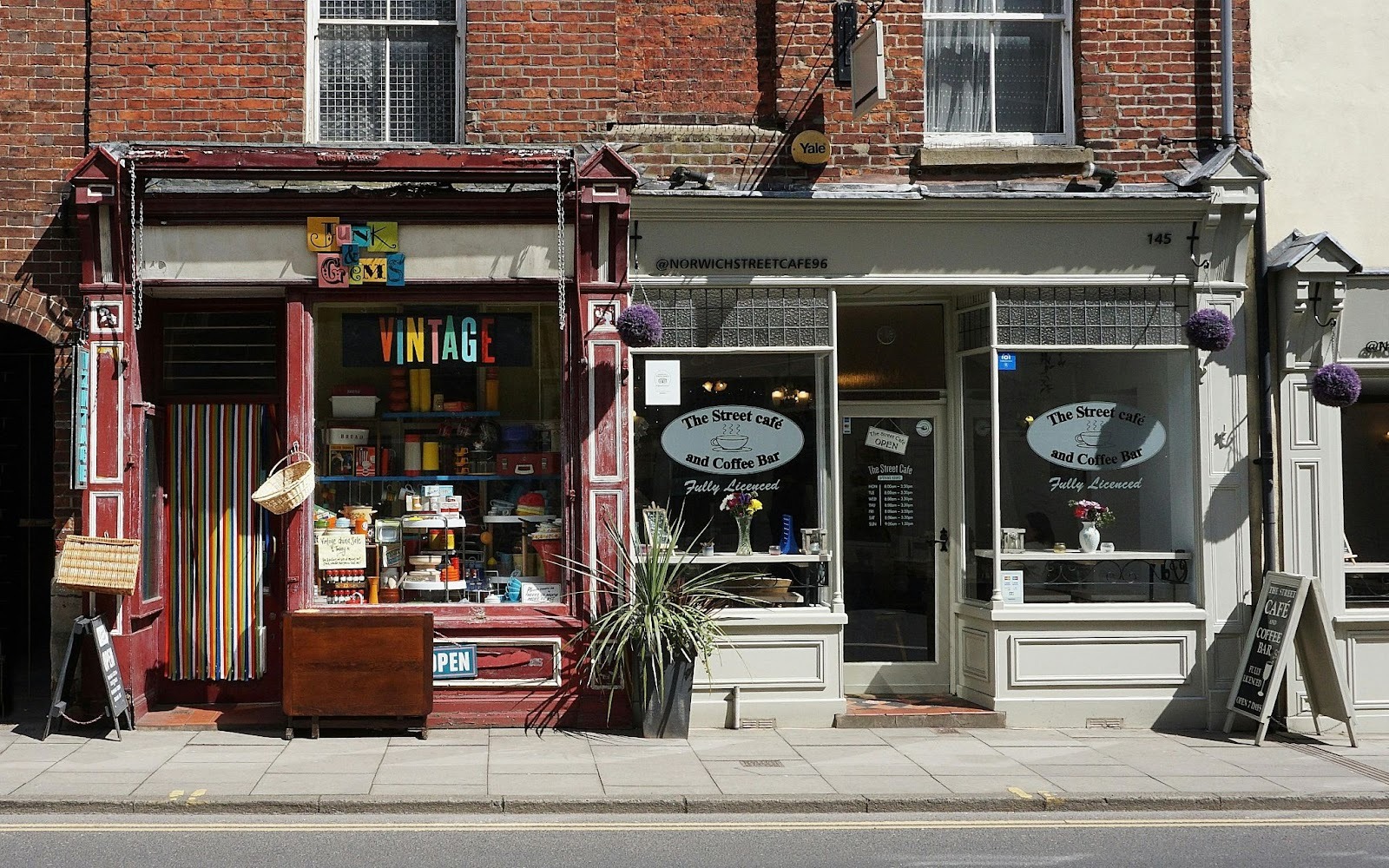
Cafés and shops feel local rather than transient
The local commercial scene in Utrecht Oost supports everyday needs rather than catering to tourists or short-term visitors. In neighborhoods like Wittevrouwen and Oudwijk, residents frequent bakeries and specialty shops where they often become regulars.
This grounded atmosphere creates a sense of neighborhood belonging that is rare in city centers dominated by global chains. By early 2026, this "hyper-local" economy is thriving, as more professionals work from home and spend their time and money within their own residential streets.
Demand reflects lifestyle shifts, not trends
The sustained popularity of Utrecht Oost aligns with broader structural changes in how people live and work. As of February 2026, more residents prioritize extra square footage for home offices and quiet surroundings over central prestige.
Utrecht Oost meets these modern requirements more effectively than the denser, more chaotic central districts. This shift in demand is not just a passing fashion but a permanent repositioning of what people value in a long-term living environment.
Price pressure elsewhere pushes interest eastward
As property prices across Utrecht average around €566,000 in early 2026, the east side has become a target for those recalibrating their expectations. Even though absolute costs in the east remain high, many buyers view the area as a significant quality-of-life upgrade relative to the price.
This creates a market where households are willing to pay a premium often overbidding by an average of 8.3% in Utrecht to secure a home in a stable, leafy neighborhood. Value perception here is driven by the long-term benefits of the location rather than speculative gains.
The area appeals to multiple life stages
Utrecht Oost is not restricted to a single demographic. Young professionals, growing families, and older residents coexist comfortably, preventing the area from feeling like a transient or one-dimensional student zone.
This diversity is a core component of the area’s long-term appeal. A neighborhood that supports different life stages is inherently more resilient, as it ensures that local schools, shops, and services remain relevant and well-used throughout the year.
Noise levels stay manageable
Compared to the nightlife-heavy neighborhoods of the city center, Utrecht Oost maintains a consistently manageable soundscape. Evenings are quieter, and the weekends lack the overwhelming crowds found near the Oudegracht.
In 2026, Utrecht has been ranked as the city with the second-highest quality of life globally, partly due to its low pollution and noise levels. For many residents, the quiet of the east side is a decisive factor that accumulates value every year they live there.
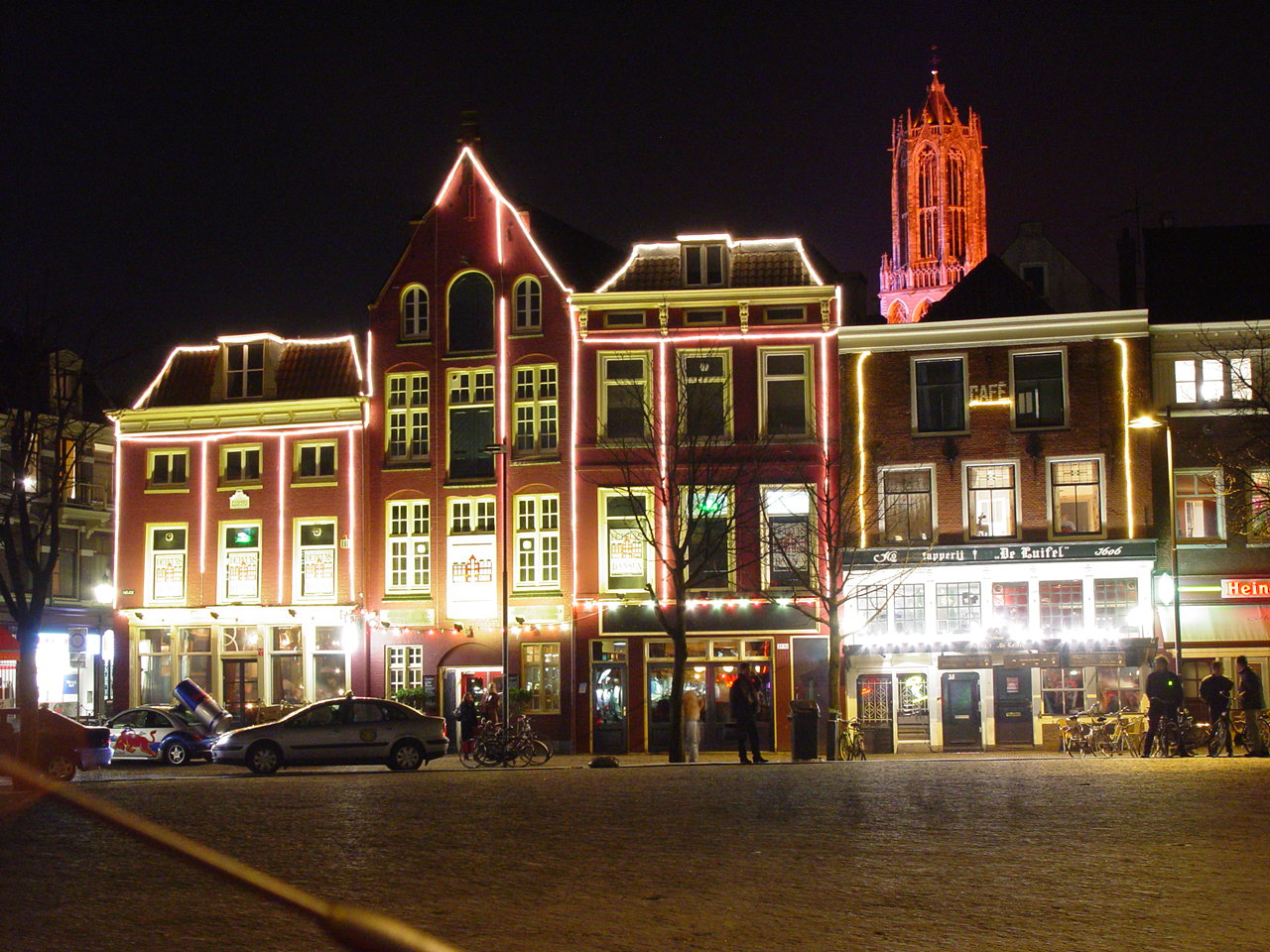
The east side aligns with long-term thinking
People choosing Utrecht Oost often think ahead, considering how a neighborhood will evolve over a decade rather than just a few seasons. The area supports this mindset through its structural stability; you are buying into a community with established schools, mature greenery, and a consistent social fabric.
Planning in 2026 heavily favors this side of the city as the municipality moves forward with the Green Leap initiative. This project aims to add 200 hectares of green space by 2040, ensuring that the leafy corridors of the east remain protected and enhanced for future generations.
Trade-offs still exist
Utrecht Oost is not for everyone. Those seeking a high-intensity nightlife scene, immediate proximity to the busiest shopping streets, or the lowest possible housing costs may find the area restrictive. Popularity has driven prices to a city-wide premium, with neighborhoods like Oudwijk and Wilhelminapark commanding between €7,800 and €10,000 per square meter in early 2026.
Every choice here includes a financial compromise. While you gain quiet and space, you often pay more upfront than you would in the rapidly developing west or the more affordable north, where prices per square meter typically range from €4,500 to €6,200.
Reliability Over Ambition
The east side of Utrecht is growing popular because it supports the realities of daily life rather than just urban ambition. It offers a functional balance: quiet streets for rest, expansive green space for health, and reliable family infrastructure, all while keeping the city center within a five-minute cycle.
Utrecht Oost does not need to impress with loud trends or constant transformation. It proves its worth through quiet reliability, providing a predictable environment where residents can grow and settle. For those thinking long-term in 2026, that consistency is exactly what makes the east side so desirable.