February 7, 2026
Why is living near Wageningen University a popular choice?
5/5/2025
February 20, 2026
February 20, 2026
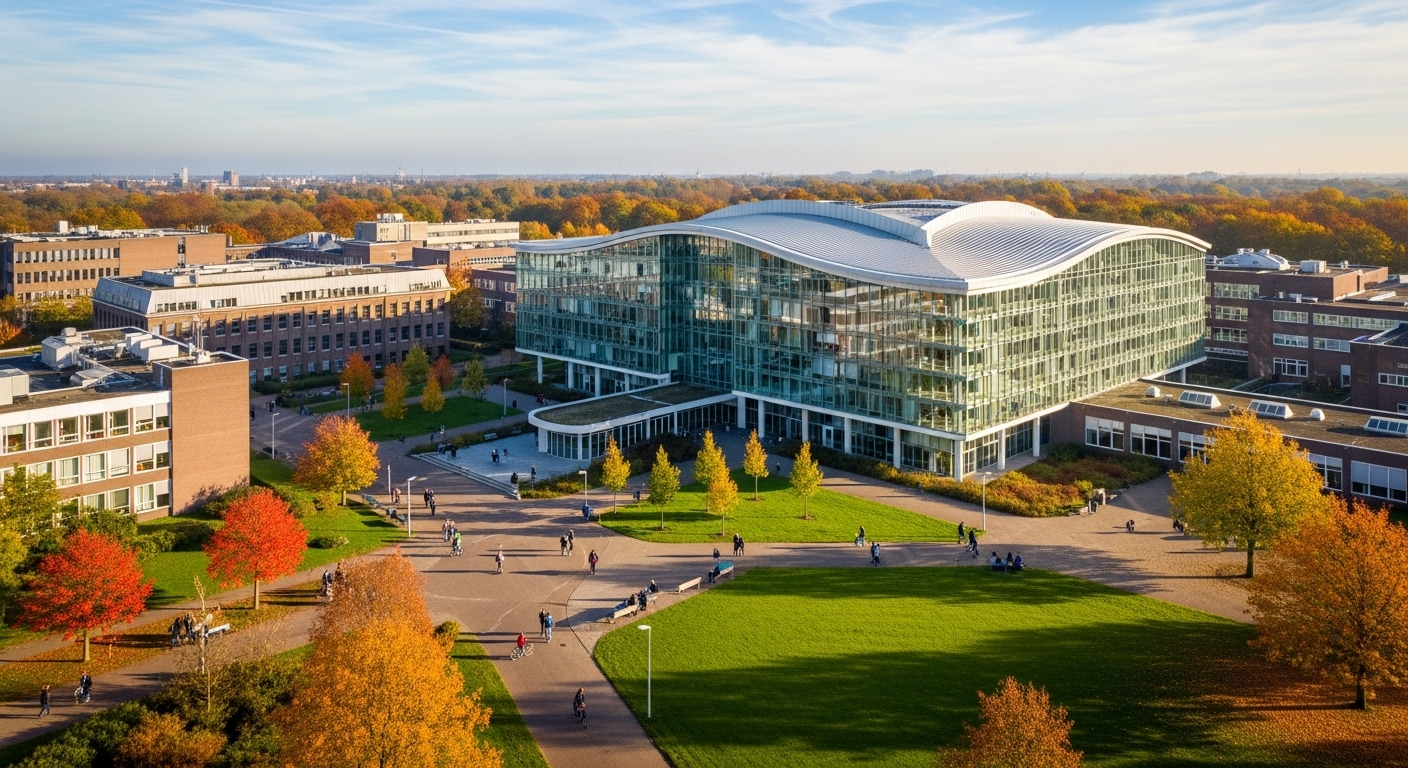
Wageningen is closely tied to Wageningen University & Research, and the neighborhoods on and around the university side of the city have developed a character that reflects this connection clearly. For many residents, especially students, researchers, and professionals linked to academia, this side of Wageningen feels like the most logical and comfortable place to live.
The appeal does not come from spectacle, but from how smoothly daily life aligns with study, work, and routine. Understanding why people choose the university side means looking at how housing, movement, atmosphere, and community come together once the initial move is complete and everyday life settles in.
The area is shaped around academic routines
The infrastructure around the campus is specifically designed to support a high-intensity research and study lifestyle. Well-maintained cycling paths and quiet study corners in the library are always accessible, fitting perfectly into the typical student's daily schedule.
Local services also cater to these routines, with food outlets and administrative offices operating at times that accommodate busy researchers. This structured environment helps you stay productive while ensuring that everything you need for your work is within reach.
Green surroundings support calm and concentration
Wageningen is famously green, and the campus side is no exception, featuring experimental gardens and wooded paths. These natural spaces provide a peaceful backdrop for your studies and offer a place to clear your mind after a long day of data analysis.
Many residents take advantage of the Belmonte Arboretum or the nearby Rhine floodplains for a quick run or a relaxing walk. These green zones act as a natural pressure valve, helping you maintain your focus and mental well-being throughout the year.
Housing encourages longer stays
The housing market near the university attracts a stable community of PhD candidates and long-term staff members. Because these residents often stay for several years, the neighborhood develops a quiet and familiar social atmosphere that is hard to find elsewhere.
This stability reduces the constant turnover typical of city centers, creating a predictable and safe living environment. Knowing your neighbors and having a consistent routine helps you settle in more effectively, making the area feel like a true home.
International life feels normal and integrated
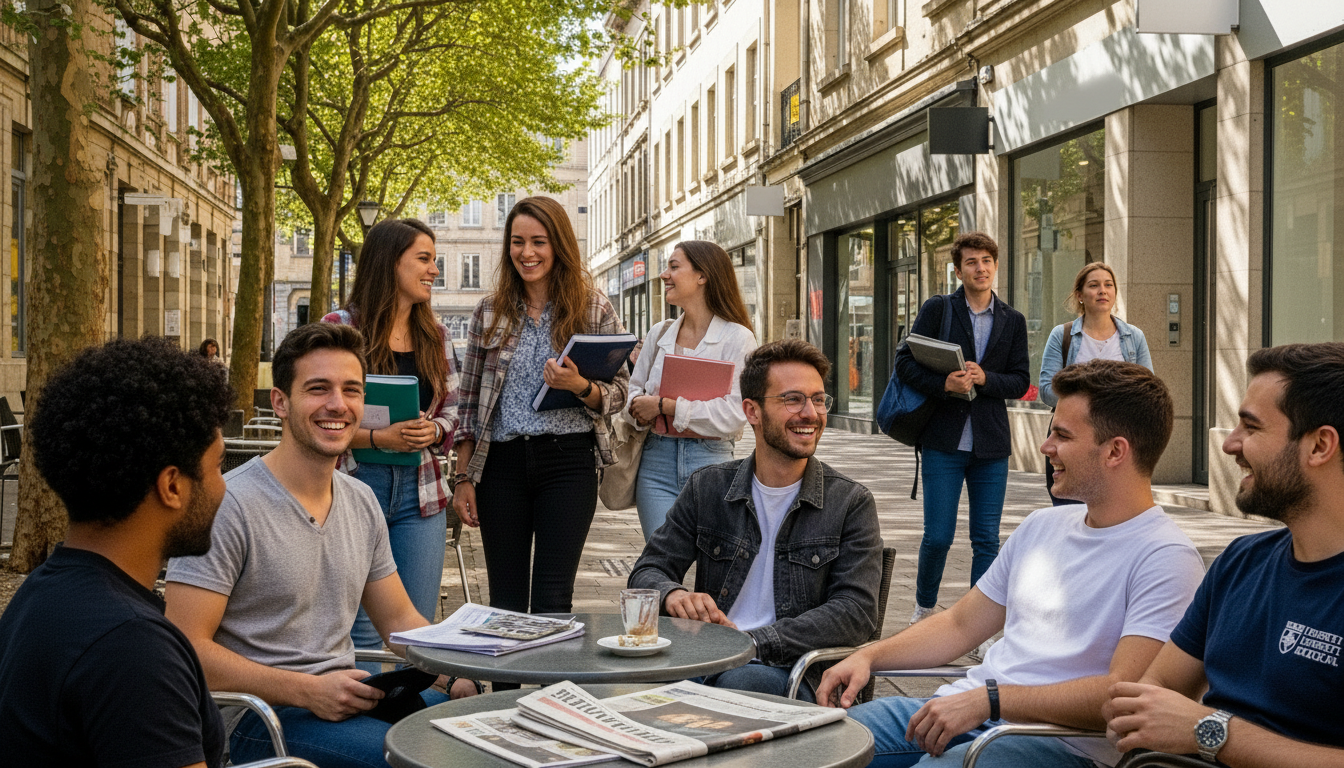
The university’s global profile shapes the neighborhood naturally. English is commonly spoken, and international residents blend into daily life rather than forming isolated groups. This makes the area especially appealing for newcomers who want to integrate without pressure. International living feels ordinary rather than exceptional.
Cycling is deeply embedded in how this side of Wageningen functions. Safe, direct routes connect housing to campus buildings, sports facilities, and the city center. Daily movement feels intuitive and low stress, reducing reliance on cars or public transport. Over time, cycling becomes the default rather than a conscious choice.
Social life grows from shared routines
Social connections often form organically on the university side. Neighbors frequently share similar schedules, interests, or professional paths, which makes casual interaction easier. Study groups, informal dinners, and shared activities develop naturally without deliberate networking. Community grows from proximity and repetition.
Compared to more central or nightlife-oriented areas, the university side remains relatively quiet. Evenings are calm, and weekends feel relaxed, which supports rest and concentration. For residents managing demanding workloads, this quiet becomes a functional asset rather than a luxury.
The university side offers more than academic buildings alone. Sports facilities, libraries, cafeterias, and open spaces are often accessible to residents, expanding daily options without additional travel. Shared infrastructure supports both work and everyday life.

The city center stays within easy reach
Despite its academic focus, the area does not feel isolated. The city center is easily reachable by bike, allowing residents to enjoy cafés, shops, and events without living in the busiest zones. This separation creates balance between focus and leisure. Interest in the university side remains steady rather than speculative. People choose the area because it fits their lives, not because it is fashionable. This creates a housing market driven by use value rather than hype, which supports long-term stability.
The university side may feel too quiet or specialized for some residents. Those seeking nightlife, constant variety, or a strongly urban atmosphere may prefer other parts of Wageningen or nearby cities. The area’s strength lies in focus rather than excitement, so lifestyle alignment remains important.
Function Over Drama
People choose Wageningen’s university side because it makes everyday life easier to manage. Proximity, green surroundings, calm streets, and an academically oriented community combine to create an environment that supports long-term balance and concentration.
The appeal is not dramatic. It is practical. For students, researchers, and professionals connected to the university, living on this side of Wageningen often feels less like a housing decision and more like a natural extension of how life already works.