February 8, 2026
Why is it important to forward mail when moving to a new home?
16/2/2026
February 21, 2026
February 21, 2026

Moving to a new home often feels like a fresh start. You focus on packing boxes, signing contracts, arranging utilities, and coordinating movers. In the middle of that activity, something simple but critical is easy to overlook: forwarding your mail during transitions. It sounds administrative and minor compared to mortgages or rental agreements, yet it quietly protects your finances, identity, and peace of mind.
Forwarding mail during transitions is not just about convenience. It is about preventing financial disruption at a moment when your life is already changing. Whether you are moving from a rental to a purchased home, relocating for work, separating households, or temporarily living elsewhere, your mailing address connects you to banks, insurers, tax authorities, service providers, and legal documents. If that connection breaks, problems can escalate quickly.
What Actually Happens When You Do Not Forward Mail
When you change addresses without arranging mail forwarding, the impact rarely appears immediately. The first week may feel smooth. Then small issues begin to surface. A bank card renewal might be sent to your old address. An insurance policy update may never reach you. A utility provider could mail a final bill, and if it remains unpaid because you never received it, late fees begin to accumulate. In more serious cases, court notifications, tax assessments, or debt collection letters may be delivered to your previous residence.
The risk is not theoretical. Financial systems assume your mailing address is reliable. When official letters go unanswered, companies do not assume you moved. They assume you are ignoring them. This can lead to penalties, service interruptions, or negative credit reporting, all of which create stress at a time when stability matters most. Forwarding mail during transitions acts as a temporary safety net. It ensures that even if you forget to update one organization, you still receive the communication and can respond in time.
Forward Mail During Transitions and Financial Protection
The financial dimension of forwarding mail during transitions is often underestimated. Moving already comes with deposits, closing costs, moving services, and overlapping rent or mortgage payments. Adding avoidable penalties because of missed mail only increases pressure.
Consider how many institutions rely on physical correspondence. Banks send security alerts and replacement cards. Insurance companies send policy renewals and payment reminders. Government agencies send tax letters, benefit updates, and official notices. Even digital platforms still mail important confirmations for legal or compliance reasons.
If one letter containing a payment deadline never reaches you, the consequences may include late fees, interest charges, or temporary suspension of services. In rental situations, missing communication from a landlord about final inspections or deposit settlements can complicate reimbursements. In property purchases, failing to receive documentation related to taxes or homeowner associations can create confusion that takes months to resolve. Forwarding mail during transitions protects against these avoidable costs. It gives you time to systematically update your address with each institution rather than rushing to correct mistakes after they occur.
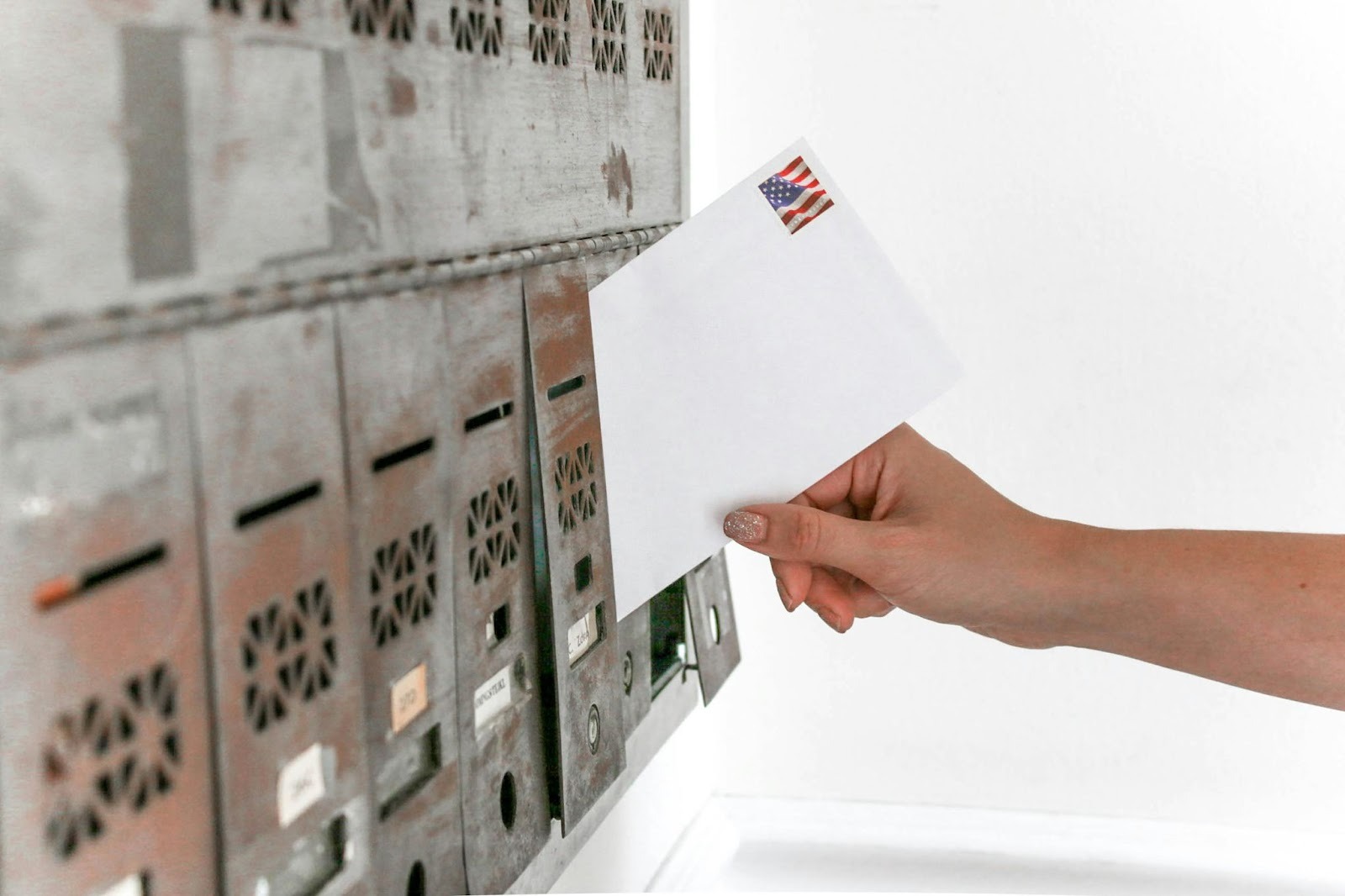
Psychological Stability During a Move
A move is rarely only logistical. It often coincides with life changes such as a new job, a relationship shift, or a financial decision. During these periods, cognitive load increases. You are tracking multiple deadlines, comparing expenses, and adapting to a new environment.
When mail starts arriving at the wrong address, it creates uncertainty. You may wonder what else you are missing. Is there a bill you forgot? Did your health insurer send something important? Are there documents sitting in someone else’s mailbox? This uncertainty erodes confidence during a time when you need clarity. Forwarding mail during transitions reduces that background anxiety. You know that even if you overlook an address change somewhere, the system will redirect your correspondence. The psychological value may not have a price tag, but it affects how calmly and effectively you handle other aspects of the move.
Temporary Moves Still Require Mail Forwarding
Many people assume mail forwarding is only necessary for permanent relocations. In reality, temporary transitions are equally vulnerable. Students moving for a semester, professionals on short term assignments, couples testing cohabitation, or homeowners renovating their property often believe they can manage without forwarding mail. They plan to update only essential services and leave the rest unchanged.
The challenge is that life does not pause during temporary moves. Subscriptions renew. Insurance policies update. Financial institutions perform periodic verifications. Even short absences can overlap with important correspondence cycles. Forwarding mail during transitions provides coverage for these unpredictable overlaps. It ensures continuity even if your housing situation is in flux.
The Hidden Risk of Identity Exposure
Another overlooked reason to forward mail during transitions is identity protection. When letters containing personal information continue arriving at your previous address, you lose control over who sees them.
In most cases, former landlords or new tenants act responsibly. However, misdirected mail may be opened accidentally or discarded improperly. Documents such as bank statements, medical letters, tax forms, or credit card offers contain sensitive data that can be misused. Identity theft often begins with small pieces of information collected over time. Forwarding mail during transitions reduces the amount of personal data circulating at an address you no longer occupy. It is a basic but effective step in protecting your financial identity.

Coordination With Address Updates
Forwarding mail during transitions should not replace updating your address with institutions. It should support that process. When you move, updating every account at once is unrealistic. You may remember the major ones immediately, such as your bank and employer, but forget smaller subscriptions, professional associations, or service providers. Some accounts may only come to mind when their annual bill arrives. Mail forwarding creates a buffer period. During that time, each redirected letter becomes a reminder to update your information permanently. This staggered approach reduces the risk of overlooking less obvious contacts. Without mail forwarding, forgotten accounts remain tied to your old address indefinitely, increasing the chance of future disruption.
Cost Versus Consequence
Arranging mail forwarding usually involves a modest fee, depending on the duration and location. When compared to moving expenses such as security deposits, mortgage notary fees, brokerage commissions, or furniture purchases, it may seem minor.
Yet people sometimes skip it to save a small amount. The logic often rests on optimism. They assume they will remember to update everything quickly. The potential financial consequences of missed mail far exceed the forwarding cost. A single missed insurance payment could result in reinstatement fees. A missed tax deadline may trigger penalties. A delayed response to a contractual notice could lead to administrative charges or legal complications. When evaluated through a risk management lens, forwarding mail during transitions is not an extra expense. It is a preventative measure similar to insurance. You pay a small predictable amount to avoid uncertain and potentially larger losses.
Special Situations Where It Becomes Essential
Certain transitions make forwarding mail even more critical. When separating households after a breakup or divorce, ensuring that personal correspondence is redirected avoids uncomfortable or legally sensitive situations. When inheriting property or managing estates, accurate mail delivery is essential for tax and legal compliance.
Similarly, if you are selling a home and moving before final administrative processes are complete, important documents may still be issued in the weeks following completion. Relying solely on updating individual contacts may leave gaps. Forwarding mail during transitions in these situations reduces exposure to administrative errors that can carry long term consequences.