February 7, 2026
Why does parking add to city living costs?
8/7/2025
February 20, 2026
February 20, 2026
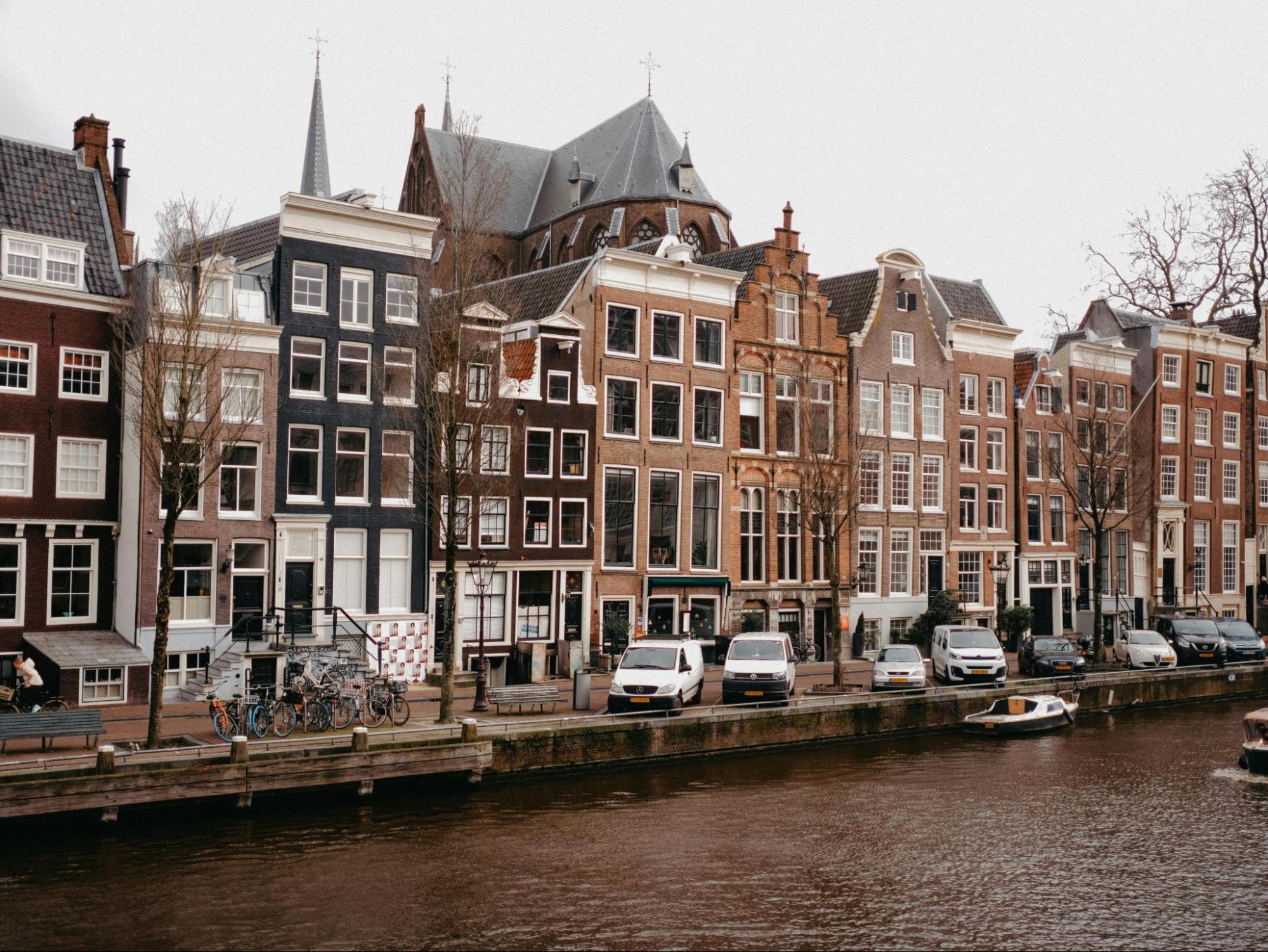
When you choose to live in a Dutch city, parking is rarely part of the initial calculation. During the housing search, most of your energy goes into securing a place at all: responding quickly, attending crowded viewings, and hoping your profile is selected. Parking feels secondary, something you will sort out once you have keys.
What many people only discover after moving in is that parking becomes a recurring cost that quietly reshapes the total price of city living, often in ways that feel disproportionate to how much you actually use your car.
Urban space is treated as scarce by design
Parking is expensive in cities because space itself is scarce, and Dutch municipalities deliberately address that scarcity rather than trying to absorb it. Streets, sidewalks, bike lanes, trees, and terraces all compete for the same limited square meters, especially in older neighborhoods that were never designed for widespread car ownership.
When cities decide how to allocate that space, parking is rarely prioritized, and the price reflects that choice. The cost is not meant to be comfortable; it is meant to signal that storing a private vehicle in shared urban space has a high opportunity cost.
Parking policy is used to influence behavior
Parking fees are not just about covering maintenance or administration. They are a policy tool used to discourage car ownership and reduce congestion. By making parking expensive, limited, and regulated, cities encourage residents to rely on public transport, cycling, or car-sharing instead. If you keep a car anyway, the higher cost is part of that policy framework. This is why parking prices tend to rise steadily rather than fluctuate with short-term demand, and why they feel persistent even when your personal situation has not changed.
Residential parking permits often look like a solution, especially when compared to hourly rates. In practice, they come with restrictions that limit how much relief they offer. Permits are tied to zones rather than guaranteed spaces, and in many popular areas there are more permits than available spots. Waiting lists are common, and during those waiting periods residents rely on visitor rates or commercial garages.
New housing developments separate parking from housing
In many newer apartment buildings, parking is no longer bundled into rent or purchase prices. Underground garages are expensive to build and maintain, and those costs are charged separately to residents who choose to use them.
This makes parking costs more visible and, as a result, often more painful. A home that appears affordable at first glance can become significantly more expensive once parking fees are added. This separation reflects a broader shift in housing design, where car storage is treated as an optional extra rather than a standard feature.

Visitor parking adds indirect monthly costs
Parking costs extend beyond the resident. Friends, family, caregivers, and service providers often need paid parking or visitor permits, which creates additional, indirect expenses. These costs rarely appear as a single line item in a budget, but they accumulate over time.
People adjust their social habits around parking availability, limiting visits or planning them more carefully. This changes how the home functions socially, even though the cost is rarely labeled as part of housing.
Enforcement turns parking into a financial risk
Strict enforcement is a defining feature of urban parking. Zones change by street, signage can be dense, and fines are issued quickly. Even careful residents make occasional mistakes, especially when managing permits, visitors, or temporary changes. These fines feel random and emotionally charged because they are unpredictable, yet over time they become part of the financial reality of car ownership in the city. The risk of penalties amplifies the overall cost beyond the official fees.
Where street parking is limited, commercial garages fill the gap, especially for residents waiting on permits or living in buildings without parking facilities. These garages operate on market pricing and often charge monthly rates that rival other fixed living costs. Once residents rely on them out of necessity, the price becomes normalized, even if it feels disproportionate to the value received. Over time, garage fees shift from a temporary solution to a long-term expense that is difficult to replace.
Parking costs reflect land value rather than usage
What you pay for parking is not linked to how often you drive or how much space your car physically occupies. It reflects the underlying value of the land it sits on. In dense urban areas, that land could be used for housing, commercial activity, or public space, all of which generate broader social or economic value. Parking prices rise alongside land values, even if wages or personal mobility needs do not. This disconnect is one reason parking costs feel unfair rather than logical.
Unlike rent or mortgage payments, parking costs rarely arrive as a single, clear bill. They appear gradually through permits, garage fees, visitor charges, and occasional fines. Because they are fragmented, they are easy to underestimate during the housing search. Over time, these small payments merge into a meaningful monthly amount, but by then they feel unavoidable. The lack of upfront visibility is what makes parking such a common source of frustration after moving.
Listings rarely reflect the true parking burden
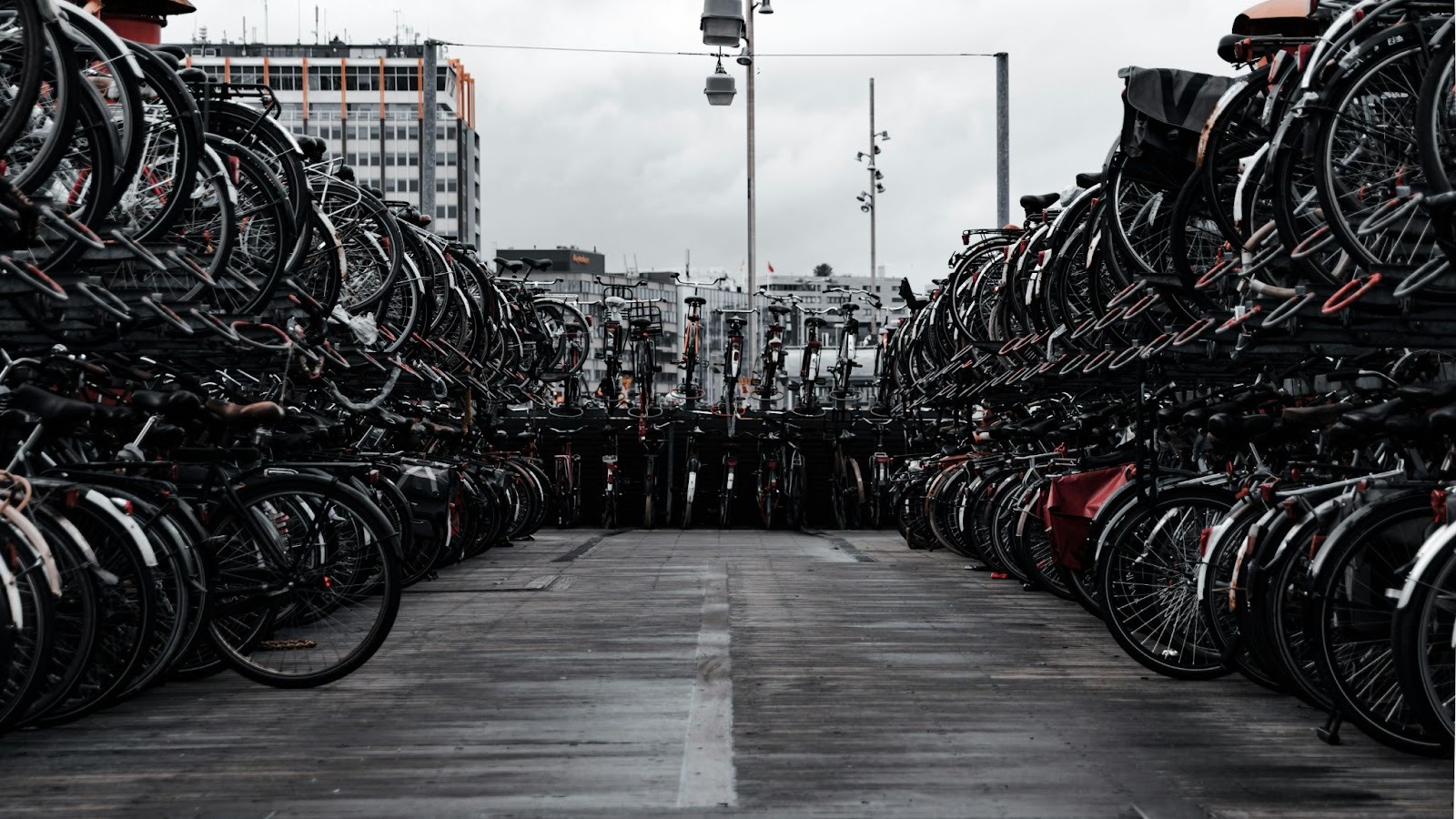
Housing listings often treat parking as a footnote, if it is mentioned at all. When included, it is often described as optional or separate, which minimizes its perceived importance during decision-making. People compare homes based on rent or purchase price, assuming parking will be manageable later. Once reality sets in, the mismatch between expectation and cost feels like a hidden penalty rather than a known trade-off.
The more central the location, the more pronounced parking costs become. Density increases competition, enforcement intensifies, and alternatives like garages become more expensive. For residents who need a car for work, family, or mobility reasons, these costs feel especially inescapable. Parking shifts from a convenience to a structural part of the cost of choosing a central address.
Parking as part of the real cost of city life
Parking adds to city living costs because it reflects how Dutch cities manage limited space, traffic, and long-term planning priorities. It is not designed to be affordable, predictable, or simple. Once parking is understood as a structural feature of urban life rather than a temporary inconvenience, it becomes easier to place it alongside service charges, utilities, and municipal taxes.
The cost does not disappear, but it feels less arbitrary. Understanding why parking is expensive does not reduce the bill, but it does reduce the sense that something has gone unexpectedly wrong.