February 7, 2026
How do monthly utility charges accrue?
21/3/2023
February 7, 2026
February 7, 2026

In 2026, the energy market in the Netherlands will be more stable than during the crisis years, but the structure of the monthly bill for gas, water and light has become more complex. Where we used to simply look at consumption, today the bill consists of a complex mix of variable supply rates, network management costs and government taxes. For an average household, the total utility costs in January 2026 were between €190 and €260 per month, depending on the type of home and the number of residents.
This article derives the various components of the monthly charges and explains exactly how the calculation will work in 2026.
Energy: The biggest cost
The energy bill (electricity and gas) accounts for the lion's share of the monthly costs. In 2026, we will see a shift in the tax burden: the government encourages electrification, reducing the tax on electricity, while increasing the tax on gas.
- Variable delivery costs: This is what you pay for the actual kilowatt hours (kWh) and cubic meters (m³) you consume. In 2026, the average rates will be around €0.23 per kWh and €1.15 per m³ (including VAT).
- Fixed delivery costs (Vastrecht): These are the administration costs of the energy supplier. On average, you pay between €7 and €10 per month per product (electricity and gas separately).
- Network management costs: This pays you for the maintenance of the cables and pipes. In 2026, these costs increased due to the necessary reinforcement of the electricity network. For an average connection, you now pay around €40 to €45 per month to your network operator (such as Liander, Enexis or Stedin), usually collected via your energy supplier.
Taxes and tax relief
The government plays a major role in the final amount of your instalment. In 2026, the structure is as follows:
- Energy tax: You pay tax on each unit of energy. For gas, this is approximately €0.73 per m³ in 2026, while the tax on electricity fell to approximately €0.11 per kWh.
- Energy tax reduction: Because energy is seen as a basic need, every household with a residential function receives a fixed discount. In 2026, this tax reduction amounts to €628.96 per year, which represents a monthly deduction of approximately €52.41. This amount is deducted directly from your energy bill.

Water: The stable factor
Drinking water costs will still be the smallest item in 2026, but here too, rates have risen slightly due to investments in water quality and infrastructure.
- Consumption rate: On average, you pay around €1.75 to €2.00 per m³ of water in the Netherlands. An average person consumes approximately 45 to 50 m³ annually.
- Solid Water: These are the fixed costs for the connection, which will average around €85 to €100 per year in 2026.
- Provincial taxes: The water bill often also includes the tax on tap water (BoL), a state tax that is levied on the first 300 m³ consumption.
Average monthly amounts per household (2026)
To get a clear picture of how these costs stack up, we look at the average total costs (gas, water, light) for different situations:
- Single household (Apartment): Due to lower gas consumption and full tax relief, the costs often amount to around €165 - €180 per month.
- Townhouse (Family of 3-4 people): With an average consumption of 1,100 m³ of gas and 2,900 kWh of electricity, the costs are around €220 - €245 per month.
- Detached house: Due to the larger space that needs to be heated, the monthly amount here can be up to €320 or more, unless the house is well insulated and has a heat pump.
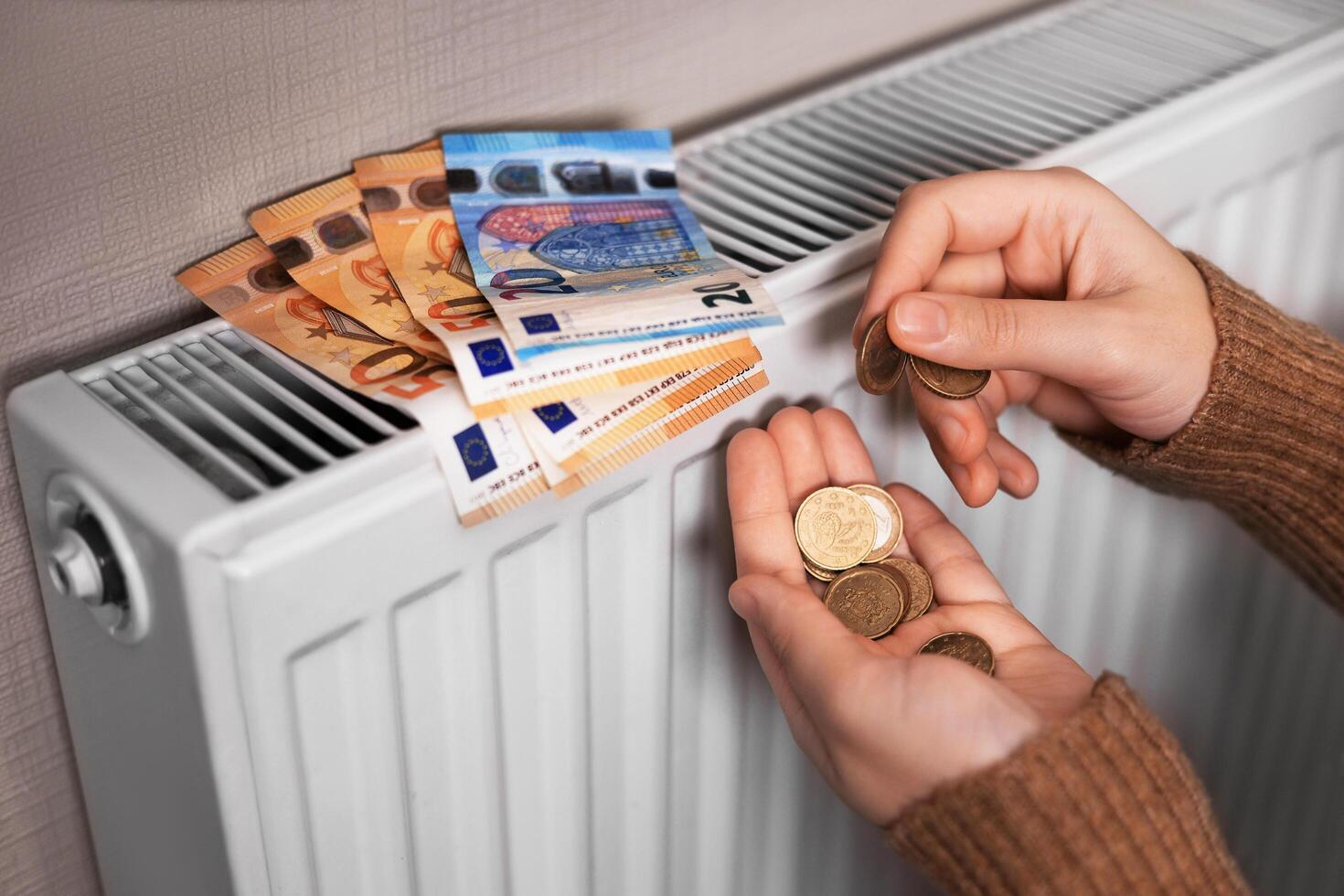
How the installment amount is determined
Many people wonder why they pay the same amount each month, when consumption is much higher in winter than in summer. Your energy supplier estimates your annual consumption based on historical data (the SJV: Standard Annual Consumption).
This total amount, including all taxes and network management costs minus the tax reduction, is divided by 12, which ensures financial stability for consumers. In 2026, however, the apps of energy suppliers will be so advanced that they will offer you an “interim check” every month. If your consumption is lower than estimated, you are advised to adjust your installment amount downwards to avoid getting a large amount back or having to pay an additional amount in the financial statements.
Factors affecting the bill in 2026
In 2026, the influence of solar panels on monthly charges changed due to the phasing out of the netting scheme. Households with solar panels are more likely to pay “feed-in costs”, an amount that the supplier charges for processing excess power on the grid. This can increase the monthly electricity bill by €10 to €25, depending on the amount of energy generated.
In addition, the quality of the insulation (the energy label) will be the largest variable in 2026. The difference in monthly costs between a home with label A+++ and label G can amount to more than €150 per month, purely due to gas costs.