February 7, 2026
Why does Arnhem’s south attract buyers?
15/3/2025
February 20, 2026
February 20, 2026
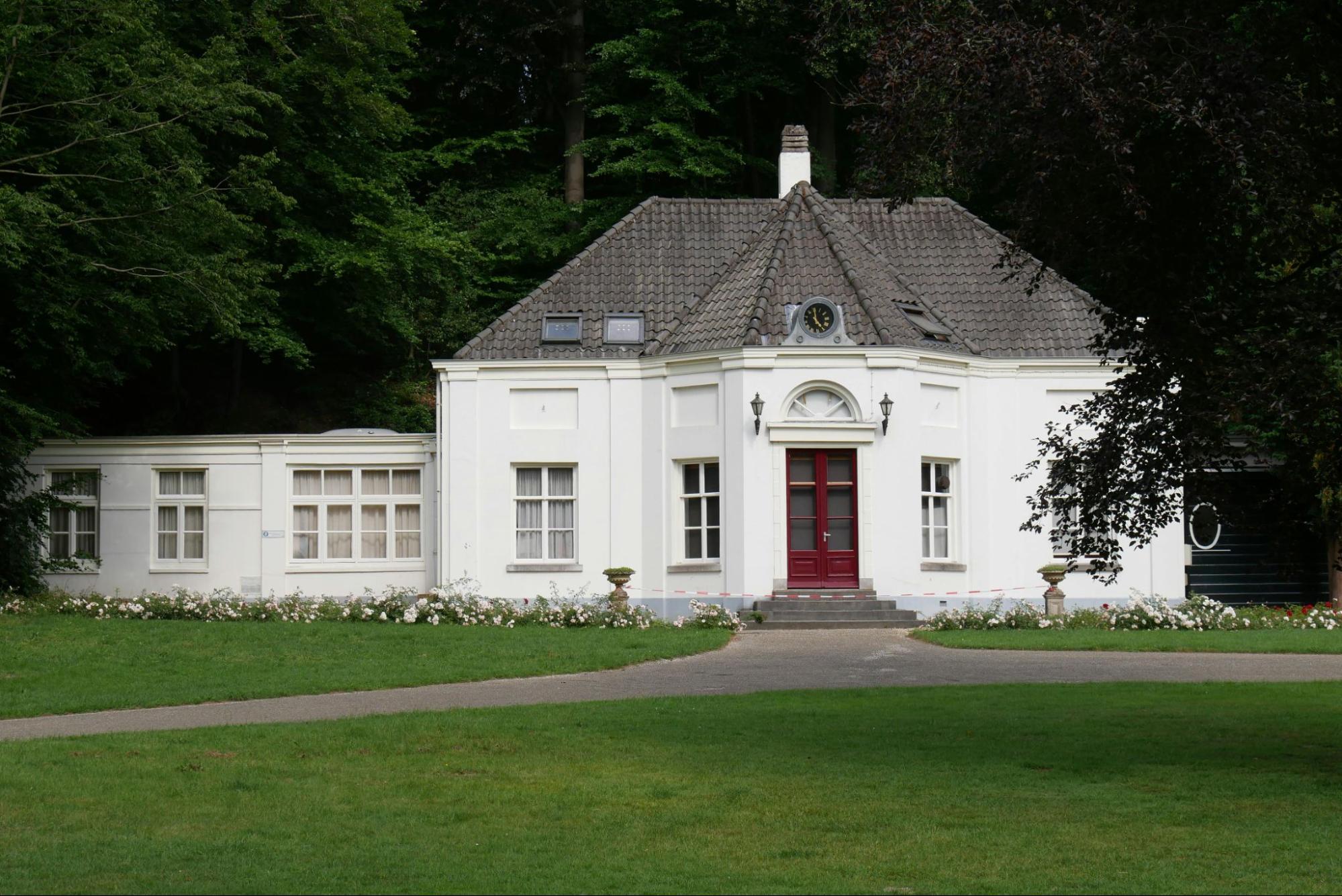
Arnhem is often discussed as a city of contrasts, and nowhere is that more visible than in its southern districts. While Arnhem’s north is known for its hills and historic neighborhoods, Arnhem Zuid has steadily gained attention from buyers who focus less on image and more on how daily life functions once the excitement of a purchase has settled.
The growing appeal of Arnhem’s south is not driven by hype or sudden trends. It comes from a combination of space, affordability, and long-term livability that becomes increasingly attractive as buyers think beyond their first year in a home.
Housing prices offer more room for realistic budgets
One of the clearest reasons buyers gravitate toward Arnhem Zuid is the price-to-space ratio. Compared to northern neighborhoods like Sonsbeek or the city center, homes in the south generally offer more square meters for a more manageable budget. In early 2026, while Dutch house prices across the board are seeing a projected increase of roughly 6.6%, the value found in areas like Schuytgraaf or De Laar remains significant.
This pricing structure allows buyers to choose layouts that support real life, such as homes with dedicated home offices or extra storage, without overstretching their finances. For many households, this makes the step into ownership feel controlled rather than a high-risk financial gamble.
Space supports long-term living, not entry-level buying
Arnhem Zuid stands out for its emphasis on longevity. Homes are often designed with families in mind, featuring wider streets, functional internal floor plans, and residential planning that prioritizes daily utility over aesthetic spectacle.
Newer developments, such as the Olympuskwartier (scheduled for construction phases in early 2026), are specifically designed to be inclusive, car-free, and green-centric. These projects reflect a move away from "starter homes" toward "forever homes" that can adapt as a family grows, offering stability for those planning to stay for a decade or more.
Neighborhoods feel structured and predictable
Many buyers value the sense of organization in Arnhem’s south. Residential areas are clearly defined, traffic patterns are calmer due to intentional urban design, and daily routines are easier to establish. This predictability reduces the mental load of urban living.
The infrastructure in Arnhem Zuid is built around Transit-Oriented Development (TOD) principles, which integrate transport hubs with residential zones. This ensures that while the neighborhood feels calm and secluded, it remains highly connected to the regional network, making the daily commute predictable and low-stress.
Family life fits naturally into the area
Families are a visible and vital presence in Arnhem Zuid. Schools, playgrounds, and local amenities are integrated directly into the neighborhoods, supporting daily routines without the need for constant travel.
Children cycling independently to local sports clubs and neighbors staying for the long term create an environment where family life feels supported rather than improvised. This naturally attracts buyers who are thinking several life stages ahead, seeking a community where their children can grow up with a consistent group of peers and reliable local resources.

Green space improves daily comfort without premium pricing
Arnhem Zuid integrates nature directly into its residential pockets, ensuring that parks and meadows are part of a daily routine rather than a weekend excursion. This layout allows residents to transition from home to greenery in minutes, fostering a natural habit of outdoor movement and play.
Unlike the high-demand northern hills, these green amenities are available without a significant price premium on the property. This accessibility ensures that families can enjoy a high quality of environmental comfort while keeping their mortgage or rental costs within a realistic range.
Newer housing stock reduces uncertainty for buyers
Much of the housing in the south was constructed in recent decades, meaning homes often feature modern insulation, double glazing, and energy-efficient heating systems. These technical standards provide a predictable monthly cost profile that is especially attractive to budget-conscious households.
For buyers, this reduces the "renovation risk" often associated with older historic properties in the north. Starting a new chapter in a well-maintained, modern home allows families to focus their time and resources on their lifestyle rather than on emergency structural repairs.
Commuting remains practical despite the location shift
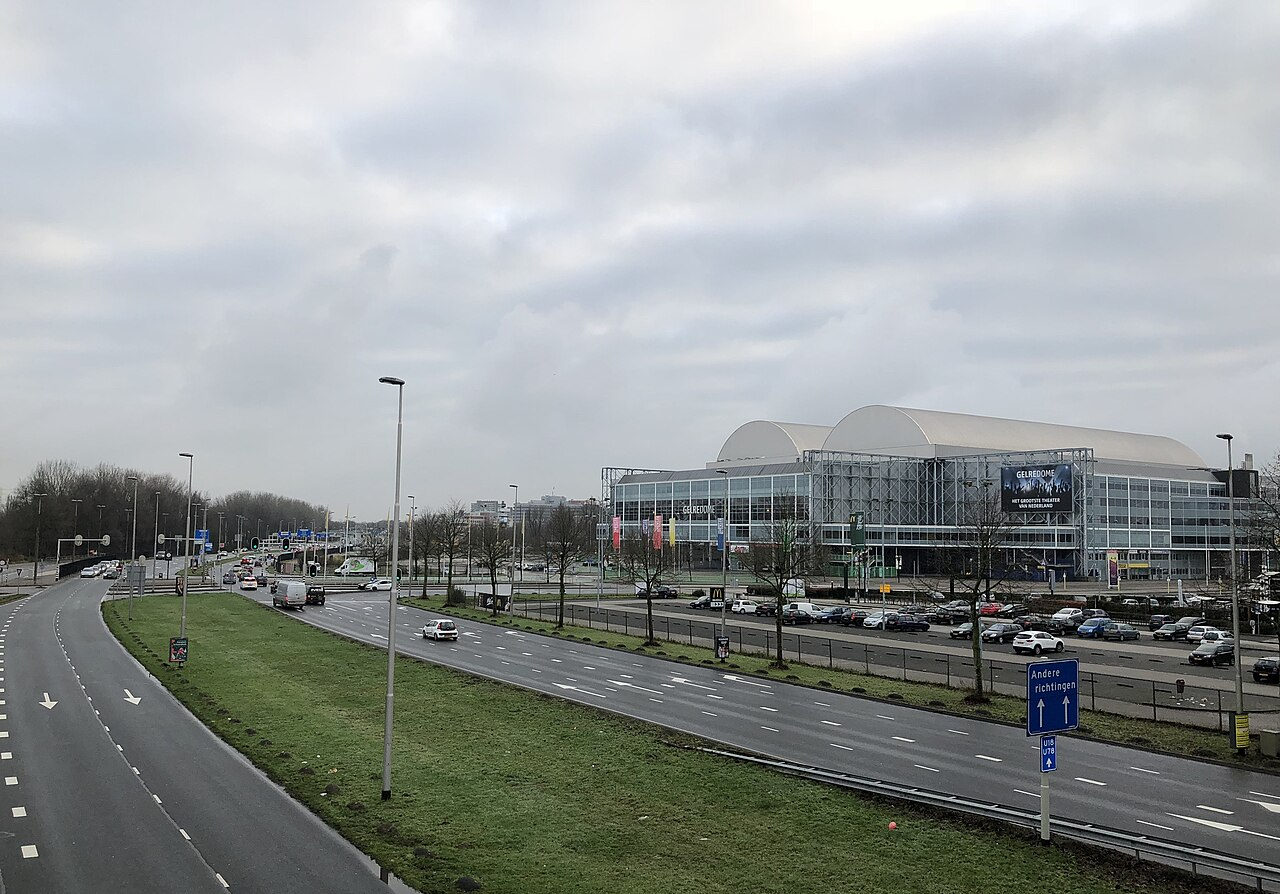
The perceived distance between the south and the city center is bridged by high-quality cycling highways and dedicated bus lanes that bypass major traffic. Many residents find that the actual travel time to the central station is surprisingly short, often taking less than fifteen minutes by e-bike.
Strategic road connections like the A325 and the Pleyroute also provide rapid access to the national highway network for those working in cities like Nijmegen or Utrecht. This infrastructure ensures that choosing more space in the south does not result in isolation from regional economic hubs.
Demand is rising, but pressure remains manageable
As northern Arnhem becomes increasingly expensive, the south is seeing a steady rise in interest from young professionals and growing families. This shift has created a healthy, active market where property values are appreciating steadily without the frantic bidding wars seen in the Randstad.
The current market balance allows prospective buyers the time to properly inspect properties and make informed financial decisions. This atmosphere of "controlled demand" creates a more human real estate experience where the focus remains on finding the right fit for the long term.
Community stability reinforces buyer confidence
Arnhem Zuid is characterized by a lower residential turnover, as people who move here tend to stay for the duration of their children's schooling or longer. This creates a predictable social environment where long-term relationships between neighbors can flourish.
For a new buyer, this stability acts as a guarantee that the character of the neighborhood will remain consistent over time. Knowing that the community is settled and growing together provides the confidence needed to put down roots and invest in the local social fabric.
The area appeals to buyers recalibrating priorities
Arnhem Zuid attracts buyers who have reassessed what matters most for their daily well-being. Instead of focusing on social prestige or the historic character of northern Arnhem, they prioritize functional space, personal calm, and financial breathing room.
This shift in priorities explains the area’s growing appeal to young professionals and growing families. Value perception in 2026 has evolved toward a preference for "real-life" utility, where a dedicated home office or a spacious private garden is worth more than a central postcode.
Trade-offs remain part of the decision
Arnhem’s south is not a universal solution; it requires a specific lifestyle alignment to be successful. Buyers who are deeply attached to rolling hills, historic cobble streets, or a dense urban nightlife will likely still find the northern districts more appealing.
Arnhem Zuid’s strength lies in its relentless focus on function rather than romantic architecture. Choosing the south means accepting a more modern, structured aesthetic in exchange for lower maintenance and a predictable, family-oriented neighborhood atmosphere.
Durability over flash
Arnhem’s south attracts buyers because it makes homeownership feel sustainable rather than high-pressured. The combination of strong price-to-quality ratios and manageable commuting creates an environment where families can plan for the next decade without constant financial strain.
The appeal of this district is durable because it provides the physical and financial structure that fits everyday life. Rather than selling an idealistic urban dream, Arnhem Zuid offers a reliable, comfortable framework that allows households to grow and settle with long-term confidence.