February 7, 2026
Why do maintenance budgets overrun easily?
9/6/2025
February 20, 2026
February 20, 2026

If you own a home or are considering buying one in the Netherlands, maintenance budgets often look sensible on paper and then fail quietly in real life. Many homeowners begin with a clear annual number, only to realize a year or two later that they have spent far more than planned, without feeling that anything has improved. What makes maintenance overruns frustrating is that they rarely stem from a single dramatic failure.
They usually result from a series of reasonable, small decisions that accumulate over time. Understanding why this happens shows that it is not about poor discipline or bad luck, but about how homes age and behave.
Homes rarely fail in neat, isolated ways
One of the main reasons budgets overrun is that repairs do not arrive one at a time. A leaking pipe exposes worn fittings, which reveal outdated valves, necessitating additional replacements not part of the original plan. What begins as a small fix quickly turns into connected work that feels impossible to stop halfway. Homes reveal problems gradually and in clusters, not as clean, isolated events.
Maintenance budgets often run over because preventive work is postponed. Small issues feel easy to ignore when they do not affect daily comfort. Over time, those minor problems develop into larger repairs that cost far more than early intervention would have. Delay becomes the most expensive decision homeowners make without intending to.
Rapid repair inflation
Repair costs rarely rise slowly because labor materials and call out fees often increase faster than general living costs. A maintenance budget set a few years ago may already be completely outdated by the time work is actually needed.
Many homeowners unfortunately plan based on past experience rather than current pricing which leads to consistent underestimation of necessary funds. Old estimates lose their accuracy incredibly quickly in a volatile economic environment.
Emergency repairs remove negotiating power
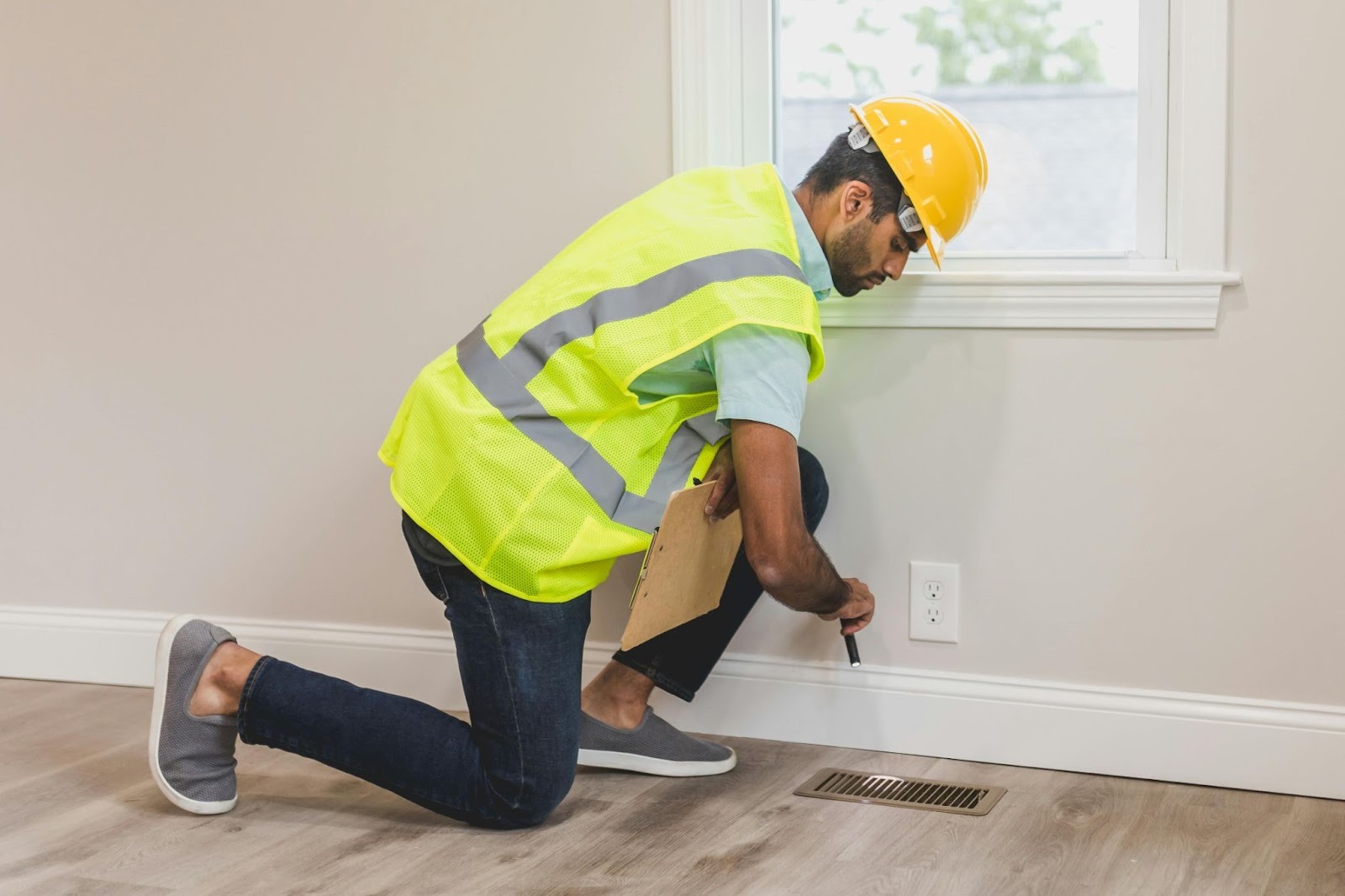
Planned maintenance allows you to compare quotes and choose contractors at your own pace. Emergency repairs, however, remove that choice entirely; in 2026, a standard plumber in the Netherlands costs around €65 per hour, but an emergency call-out can jump to over €86 per hour plus a rush fee.
When heating fails in winter or water damage appears suddenly, you pay for speed rather than value. This urgency adds a premium that often exceeds the cost of the repair itself, making reactive maintenance significantly more expensive than a proactive service plan.
Small upgrades quietly increase costs
Maintenance often blends into improvement. Once a wall is opened or a fixture is removed, you may be tempted to choose better materials or more durable finishes. While sensible for the long term, these choices quickly push spending beyond the original repair budget.
Even practical upgrades, like choosing high-efficiency glazing over a standard replacement, still add to your immediate cash outflow. These "while we're at it" decisions are the primary reason why home maintenance projects frequently end up 15–20% over their initial estimates.
Seasonal timing affects pricing
Maintenance costs vary throughout the year based on trade demand. For instance, boiler technicians are in peak demand during the first cold weeks of October and November, which often leads to higher availability premiums and longer wait times.
Homeowners who wait until something breaks in the middle of a peak season end up paying the highest possible rates. Planning your painting for the spring or your heating service for the summer is a simple way to maintain affordability through strategic timing.
Maintenance feels optional until it is not
Psychologically, maintenance feels flexible because it does not arrive as a fixed monthly bill. This makes it easy to underfund or postpone until a minor issue becomes an unavoidable, high-cost structural failure.
Treating maintenance as an optional expense leads to spending that eventually feels forced. In 2026, setting aside 1% of your home's value annually remains the gold standard for ensuring you are never blindsided by the "optional" tasks that have suddenly become urgent.

Budgets focus on average years, not difficult ones
Most maintenance budgets assume a normal year. In reality, difficult years happen when several systems fail close together. These periods account for far more of total spending than calm years, yet they are rarely planned for. Outliers shape long-term costs. Maintenance decisions are tiring. Dealing with contractors, delays, and disruption wears people down. As fatigue builds, homeowners are more likely to accept higher prices just to finish the process. Stress reduces comparison and negotiation, quietly inflating spending.
Expectation Over Overrun
Maintenance budgets overrun easily because homes are complex systems rather than predictable machines. Costs rise through delays, emergencies, hidden deterioration, and human decision-making, not because people are careless. Once it becomes clear that maintenance spending is uneven and often concentrated in certain periods, budgeting becomes more realistic. The goal is not to prevent overruns entirely, but to expect them and build enough flexibility so that when they happen, they feel manageable rather than overwhelming.