February 7, 2026
Why do deposit disputes happen often?
26/5/2025
February 20, 2026
February 20, 2026

If you’ve rented in the Netherlands, you’ve probably heard at least one story about a deposit that didn’t come back in full, arrived late, or triggered an argument that nobody expected when the keys were handed in. Deposit disputes are common, not because renters or landlords are unusually unreasonable, but because the system itself leaves room for mismatched expectations, unclear standards, and emotional timing at the very end of a tenancy.
Understanding why these disputes happen so often helps you see that they’re usually predictable rather than personal, and that most conflicts start long before the final inspection ever takes place.
Expectations about “normal wear” are rarely aligned
One of the biggest sources of conflict is how wear and tear is interpreted. Tenants often assume minor scuffs, faded paint, or aging fixtures are normal wear and tear, while landlords may view the same issues as damage requiring repair. Because “normal wear” is not always defined in practical, visual terms, both sides can genuinely believe they are being reasonable.
The dispute usually isn’t about the damage itself, but about where responsibility begins and ends. Many disputes trace back to the first day of the rental. If the property's initial condition was never properly documented with photos and clear notes, it becomes difficult to prove what was already worn or imperfect before the tenant moved in. Months or years later, memories fade, and assumptions replace evidence. Without a shared reference point, disagreement becomes almost inevitable.
End-of-lease inspections feel subjective
Final inspections often rely on judgment rather than measurement. Even when a checklist exists, the interpretation of cleanliness or condition can vary from person to person. What feels “clean enough” to a tenant after a long moving day may feel insufficient to a landlord preparing the property for the next occupant. Subjectivity creates space for friction.
Deposit discussions take place at a stressful time. Tenants are moving, landlords are under pressure to re-let quickly, and both sides want closure. This timing increases sensitivity and reduces patience, making small disagreements feel larger than they might otherwise be. Stress amplifies conflict more than the money itself.
Cleaning standards are often assumed, not specified
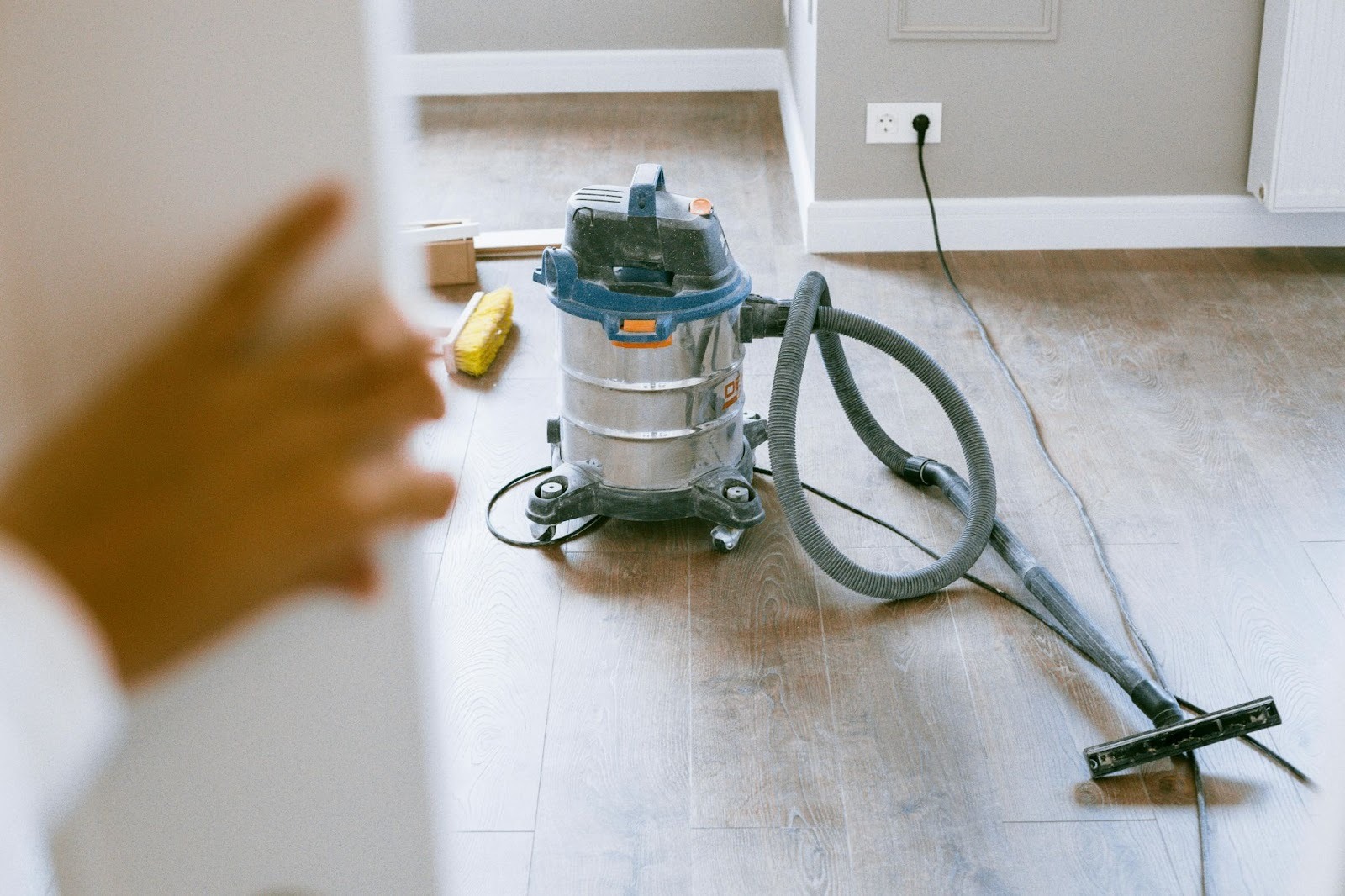
Cleaning is one of the most disputed areas in Dutch rental law. Unless the expected standard is clearly defined in the initial inspection report, tenants may clean thoroughly according to their own definition, while landlords compare the results to professional benchmarks.
In 2026, the standard remains "good state of repair," but without a "check-in" photo log, this is purely subjective. When these benchmarks are never aligned at the start, disappointment follows at the end. Assumptions effectively replace legal agreements, leading to avoidable friction.
Landlords fear underestimating repair costs
From a landlord’s perspective, a degree of caution is often seen as necessary. They may deduct a larger sum initially to cover potential contractor quotes, planning to adjust the final payout later, but this approach feels inherently unfair to tenants expecting a prompt return.
This defensive behavior creates deep mistrust. The delay itself can trigger formal disputes with the Rent Tribunal (Huurcommissie), as tenants often rely on that deposit to pay for their next home's security, making the timing of the return a high-stakes issue.
Legal knowledge gaps fuel disagreement
Many tenants and landlords only vaguely understand the 2026 rules regarding deposit returns. Uncertainty about the legal timeline (usually 14 days for a full return or 30 days if there are damages) leads both sides to rely on assumptions or hearsay.
This lack of clarity creates fertile ground for disputes. When parties do not know their specific rights under the "Good Landlordship Act," they tend to become more aggressive or defensive. Uncertainty invites conflict where a simple reading of the law could have provided a path forward.
Verbal agreements replace written clarity
Informal conversations during the tenancy often go undocumented. Promises about "not needing to repaint" or "ignoring the stain on the carpet" may be remembered differently by each party a year later.
When these verbal understandings are not reflected in writing or in a dated email, they become completely unreliable during a dispute. In the eyes of the law, memory is not evidence; only the written initial and final inspection reports carry the weight required to settle a claim.

Power imbalance affects how disputes unfold
Tenants often feel they have less leverage. Because the landlord holds the deposit, tenants may feel pressured to accept deductions rather than challenge them, which increases frustration even when disputes remain unresolved internally. Imbalance shapes perception of fairness. Most conflicts don’t begin at move-out.
They begin with unclear contracts, missing inspections, or unspoken expectations during the tenancy. The deposit is simply where all those issues collide. The ending reveals earlier gaps.
Documentation Over Dispute
Deposit disputes happen often because they sit at the intersection of unclear standards, poor documentation, emotional timing, and mismatched expectations. They’re rarely about one stain, one scratch, or one invoice. They’re about how clearly responsibilities were defined and revisited throughout the rental period.
Once you understand that most deposit conflicts are structural rather than personal, it becomes easier to prevent them, manage them calmly, and recognize that you’re not alone in finding this part of renting surprisingly difficult.