February 7, 2026
Why do council taxes vary depending on the location?
20/7/2025
February 20, 2026
February 20, 2026

When you move house in the Netherlands, council taxes are rarely part of the decision-making process. During the search, attention is focused on rent, location, and whether you can realistically secure the place. Council taxes feel abstract, something administrative that will sort itself out later. For many people, the first real interaction comes months after moving in, when a letter arrives, and the amount feels unexpectedly high or noticeably different from what they paid before. That moment often raises the same question: why does this cost change so much from one area to another?
Council taxes are set locally, not nationally
One of the main reasons council taxes vary is that they are largely determined by individual municipalities rather than by a single national standard. While there is a shared framework, each municipality decides how much it needs to charge residents to cover local services and obligations. This means two households living in similar homes can pay very different amounts simply because they fall under different municipal budgets and priorities. The variation is structural, not accidental, and it reflects how local governments fund themselves.
Every municipality faces its own financial reality. Larger cities often manage dense infrastructure, public transport links, public spaces, and social services that require substantial funding. Smaller municipalities may have fewer residents over which to spread fixed costs such as administration, waste processing, or water management. In both cases, these pressures influence council tax levels. What residents pay is tied less to individual usage and more to the collective cost of maintaining the area as a functioning place to live.
Property value influences tax levels indirectly
A significant part of council taxes is linked to the assessed value of your home. In areas with high property values, tax calculations often result in higher charges even if the home itself is modest.
This creates situations where residents in popular or central areas pay more simply because the local housing market has become more valuable over time. For people who have not changed their living situation, these increases can feel disconnected from their daily experience, yet they are built into the way taxes are calculated.
Urban and suburban differences are not always intuitive
It is common to assume that living outside a major city automatically means lower council tax, but this is not always true. Some suburban or smaller municipalities charge relatively high amounts because they have fewer households contributing to shared services.
Others invest heavily in infrastructure or environmental initiatives that increase costs. As a result, moving away from the city does not guarantee a lower council tax bill, even if housing itself becomes cheaper.
Waste collection policies vary by municipality
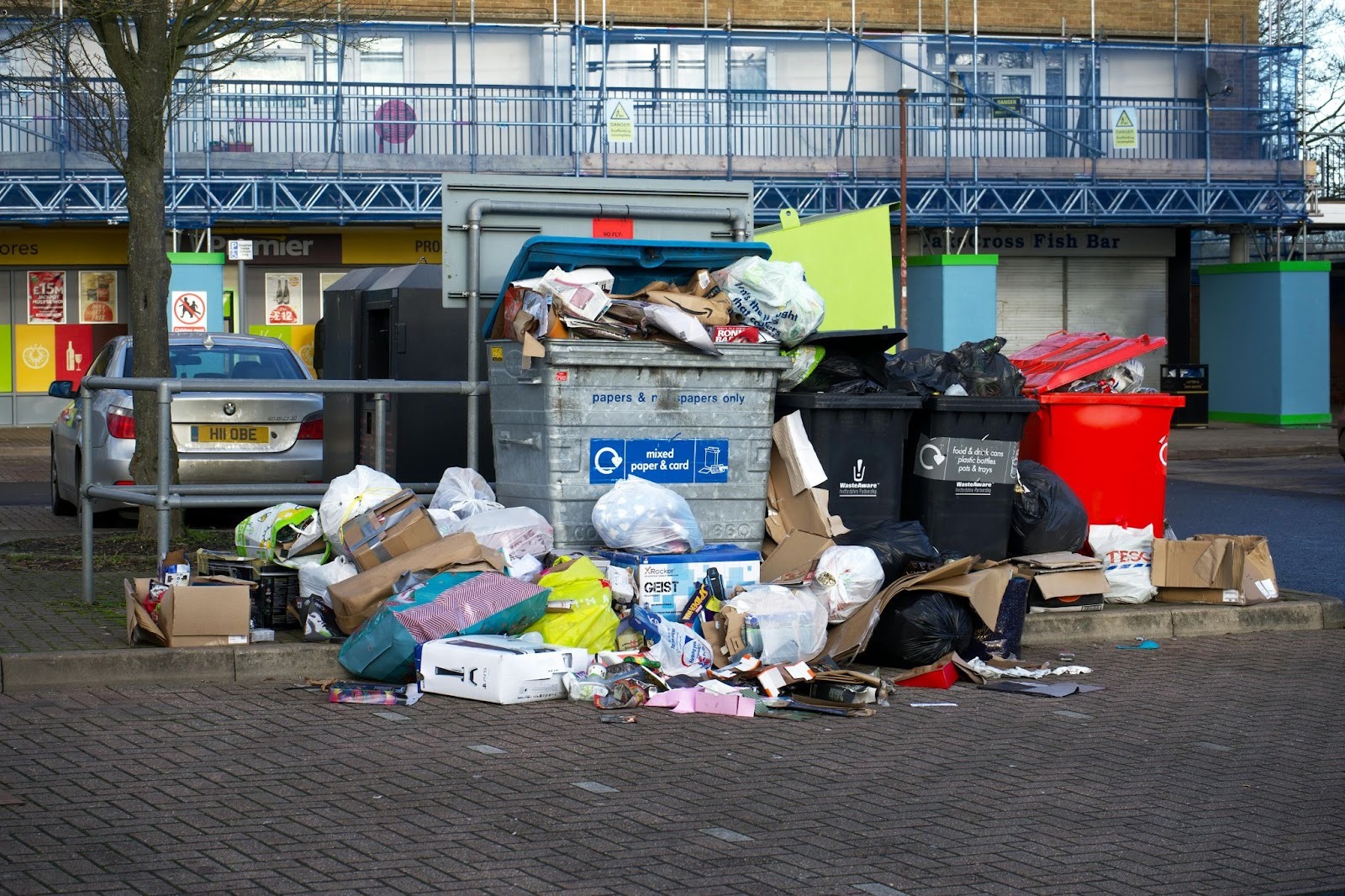
Waste collection is one of the most visible components of council taxes, and it differs significantly by area. Some municipalities charge a flat rate per household, while others base fees on household size or even on the amount of waste produced.
Areas that emphasize recycling or waste reduction may structure charges differently, which directly affects what residents pay. These policy choices reflect local priorities, but they also make council tax comparisons harder across locations.
Water management plays a quiet but important role
Water-related charges are another area where geography matters. Municipalities invest heavily in sewage systems, drainage, and flood prevention, especially in low-lying or water-sensitive regions. The cost of maintaining these systems is passed on to residents through local taxes. Even if water management is invisible in daily life, it represents a substantial and ongoing expense that varies depending on the area's physical characteristics.
Homeowners receive council tax bills directly and often see the breakdown clearly. Renters may not receive the same types of bills, but that does not mean they are unaffected. Landlords factor local taxes into rent calculations, especially in high-demand areas.
Timing makes council taxes feel unpredictable
Council tax bills often arrive well after you have settled into a new home, which makes them harder to anticipate. Because they are not usually discussed during viewings or included in listings, people rarely factor them into comparisons between homes. When the bill arrives months later, it feels like a surprise rather than part of the expected cost of living in that area.
Council taxes are adjusted regularly to reflect rising costs, investments, or policy changes. Even small annual increases can compound into noticeable differences over several years. Residents who move within the same municipality may not notice the change as sharply as those who move between municipalities, where both the base rate and adjustment history differ.

Services are shared, not individually priced
Council taxes are not a usage-based system. You are not charged based on how often you use public spaces, how much waste you personally produce, or how frequently you interact with municipal services. Instead, you contribute to a shared pool that supports the area as a whole. This collective approach means that personal lifestyle choices have limited influence on what you pay, which can feel frustrating when comparing areas with similar amenities but different tax levels.
Why is comparison harder than expected
Because council taxes combine multiple charges into a single annual amount, it is difficult to isolate what you are paying for and why. Two municipalities may offer similar services but structure their taxes differently, making direct comparison challenging. Without a clear, standardized reference point, residents often rely on anecdotal comparisons that do not tell the full story. This lack of transparency is unintentional, but it adds to the perception of inconsistency.
Seeing council taxes as part of local living costs
Council taxes differ by area because they reflect local choices, physical conditions, and financial structures rather than individual behavior. Once they are seen as part of the broader cost of living in a specific municipality, the variation becomes easier to understand. The amount may still feel high, but it feels less arbitrary when placed in context. In a housing market where many costs already feel unpredictable, understanding how council taxes work brings a small but meaningful sense of clarity.