February 7, 2026
Why are service charges rising in apartments?
22/6/2025
February 20, 2026
February 20, 2026
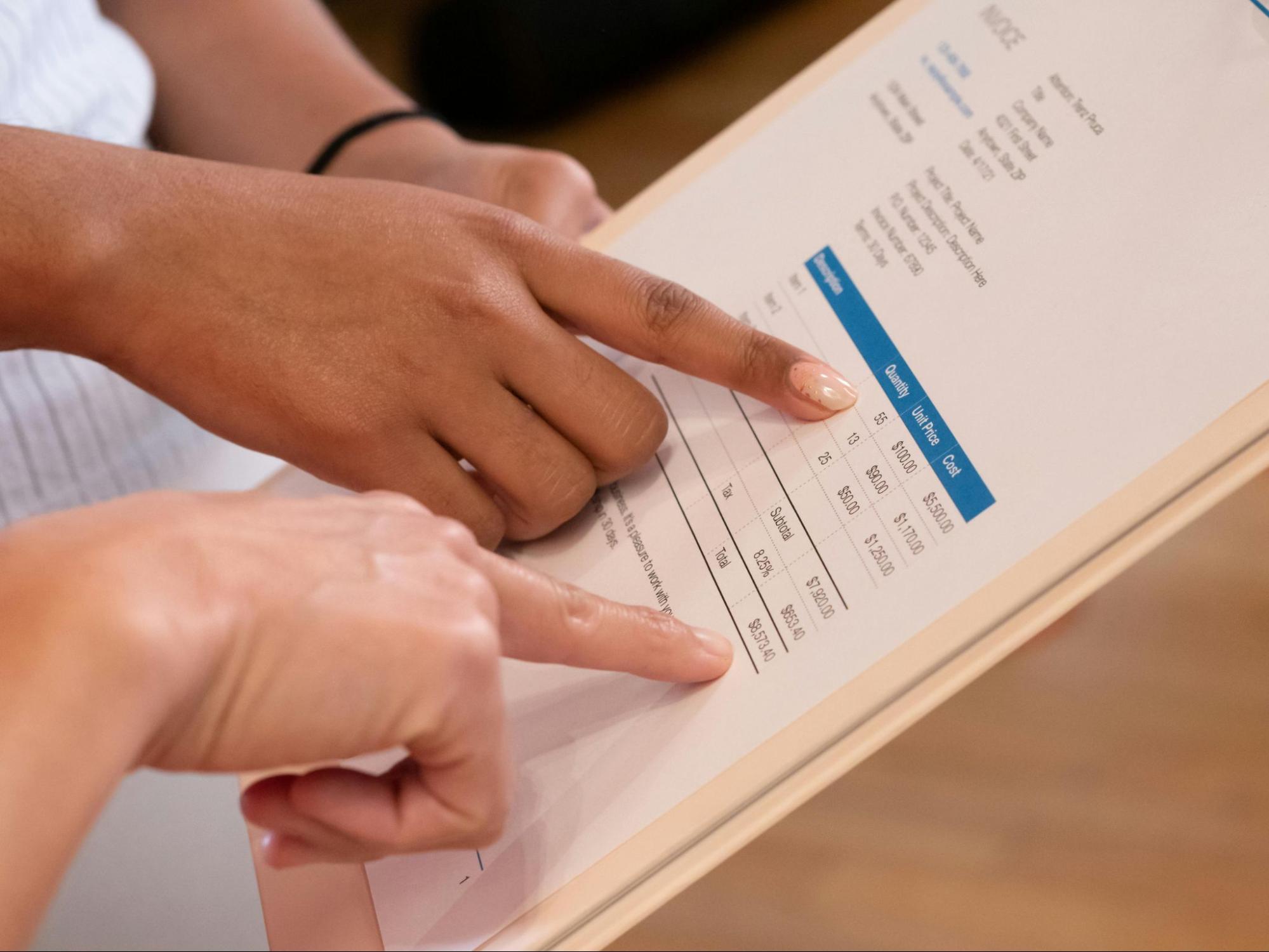
If you live in an apartment in the Netherlands, you may have noticed that service charges increase quietly year after year, sometimes without any visible improvement to the building. This can feel frustrating because service charges are often unclear, difficult to influence, and hard to compare, especially when they rise faster than rent or general living costs. These increases rarely come from one dramatic decision. They build gradually as several structural pressures stack up over time, and residents feel the result all at once.
Buildings are aging faster than expected
Many apartment buildings in the Netherlands were constructed decades ago. As these buildings age, shared elements such as roofs, facades, elevators, plumbing, and heating systems require more frequent attention.
Even when nothing fails visibly, preventive maintenance is necessary to avoid serious, expensive problems later. Service charges rise not because buildings are neglected, but because keeping them functional becomes more expensive over time.
Owners' associations are being pushed to build stronger reserves
Many homeowner's associations are under pressure to save more for future maintenance. Regulations and professional standards increasingly encourage realistic long-term planning instead of reactive repairs.
This leads to higher monthly contributions now to prevent sudden large payments later. While this approach improves financial stability, it feels like a short-term cost increase.
Deferred maintenance is being corrected all at once
Some apartment buildings postponed maintenance for years to keep costs low. When delayed work eventually becomes unavoidable, expenses rise sharply, and service charges increase to compensate.
Residents often feel surprised because problems were not visible until they reached a critical point. Postponement turns gradual costs into sudden adjustments.
Sustainability upgrades raise short-term expenses
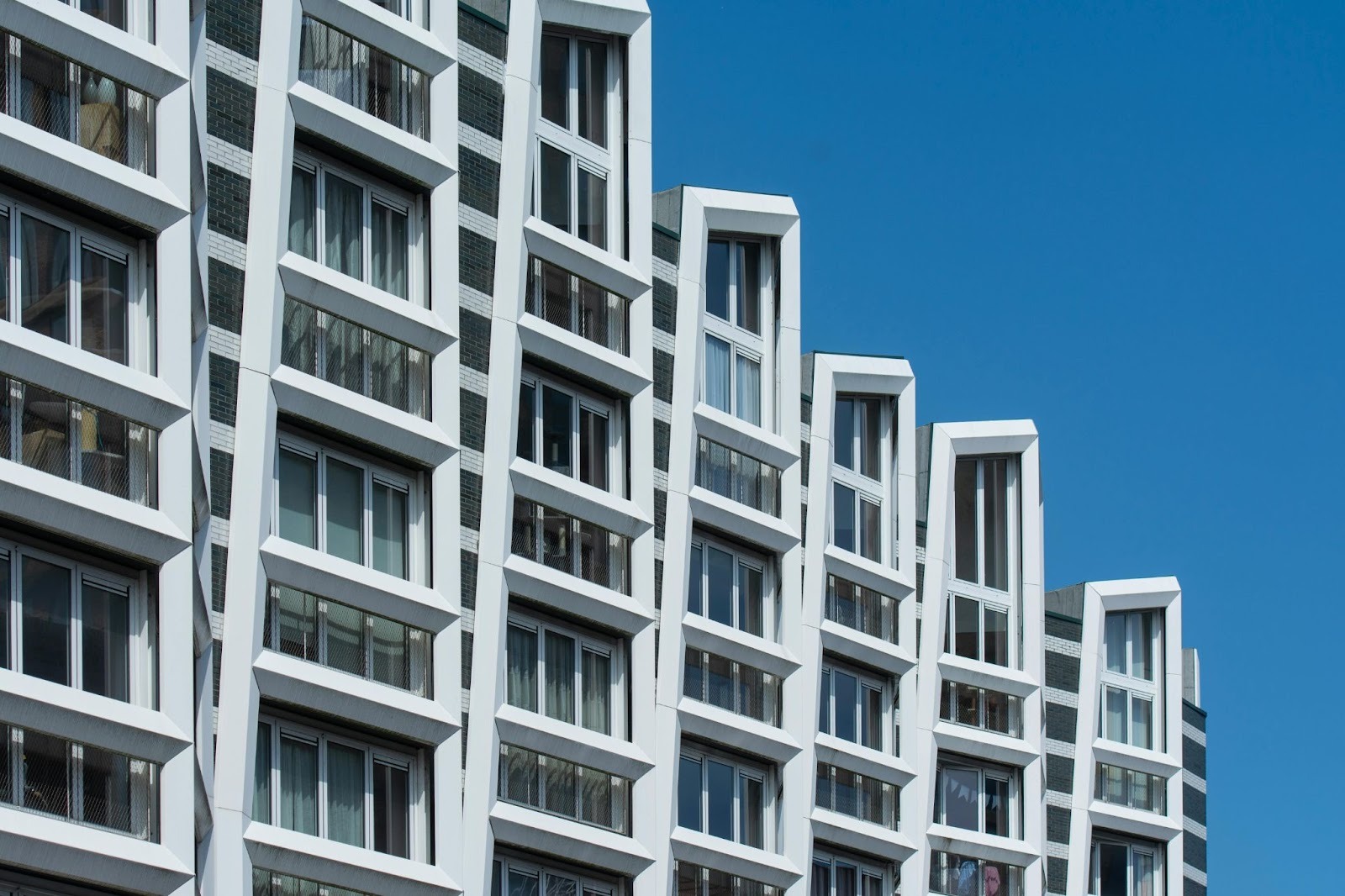
Many Dutch apartment buildings are currently investing in energy efficiency to meet the 2026 climate standards. Upgrades like high-efficiency insulation, heat pumps, and solar panels typically result in an initial hike in service charges to fund the VvE (Owners’ Association) reserves.
While these investments aim to lower your personal energy bills over time, the transition period often feels expensive. Efficiency investments rarely feel cheap at the start, as the "payback period" usually stretches over several years before the monthly savings outweigh the initial contribution.
Professional management adds cost while reducing risk
More VvE groups are now hiring professional property managers to handle the increasingly complex 2026 regulations. This improves long-term maintenance planning and legal compliance, but it also adds a fixed administrative fee to your monthly bill.
While residents may not notice visible daily changes, the quality of building governance improves behind the scenes. Professional management reduces the risk of massive, unexpected "special assessments" later on, though the service itself is not free.
Transparency does not always equal understanding
Modern service charge statements are often highly detailed, but they can still feel abstract or confusing to residents. Technical budgets, "Meerjarenonderhoudsplannen" (MJOP), and reserve fund calculations are complex documents that are difficult to relate to emotionally.
This gap between raw information and true understanding can fuel frustration, even when the increases are legally justified. It is often helpful to attend the annual VvE meeting to hear the context behind the numbers on your statement.
Individual control is limited in shared living
Unlike your grocery bill or personal subscriptions, service charges cannot be adjusted based on your individual behavior. Residents share a collective responsibility for the building's decisions, which limits your personal financial flexibility.
Even if you are extremely careful with energy or water in shared areas, you are still required to pay your fair share of the collective costs. This lack of individual control can heighten feelings of powerlessness when the VvE votes on expensive building improvements.
Rising standards push baseline costs higher
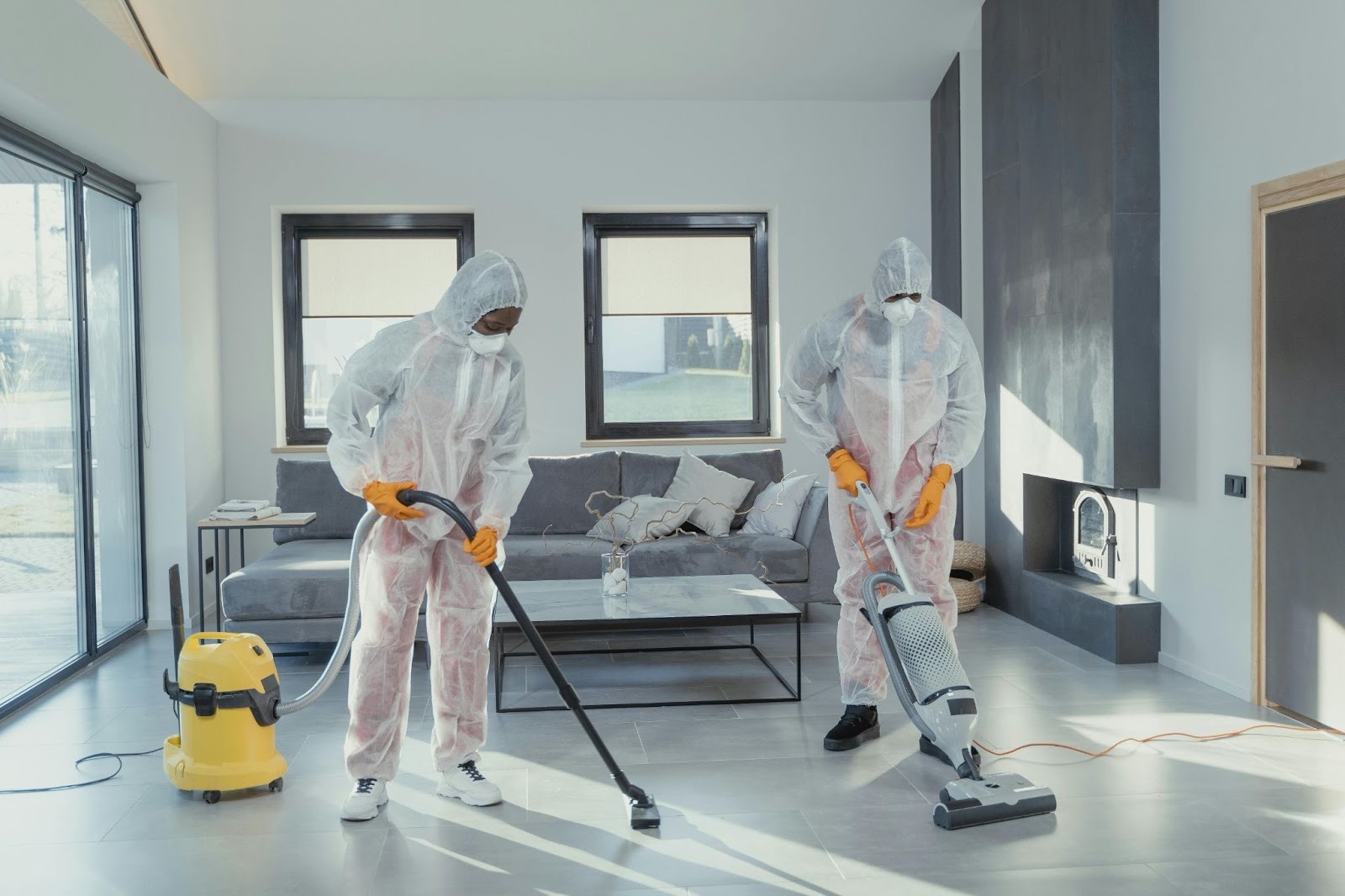
Expectations around safety, cleanliness, comfort, and sustainability continue to increase. Better lighting, improved security, cleaner common areas, and higher energy standards all raise baseline costs that rarely return to previous levels. Once standards rise, so do ongoing expenses.
Maintenance Over Mystery
Service charges in apartments are rising because shared living concentrates long-term costs. Aging buildings, higher labor prices, energy transitions, insurance increases, and stricter financial planning all push charges upward, even when nothing visibly changes. These increases are rarely about mismanagement alone.
They reflect the real cost of maintaining buildings responsibly in a changing economic environment. Once service charges are seen as indicators of building health rather than just a monthly bill, they become easier to evaluate and less mysterious, even when unwelcome.