February 3, 2026
Why are furnished homes more expensive?
21/2/2022
February 4, 2026
February 4, 2026
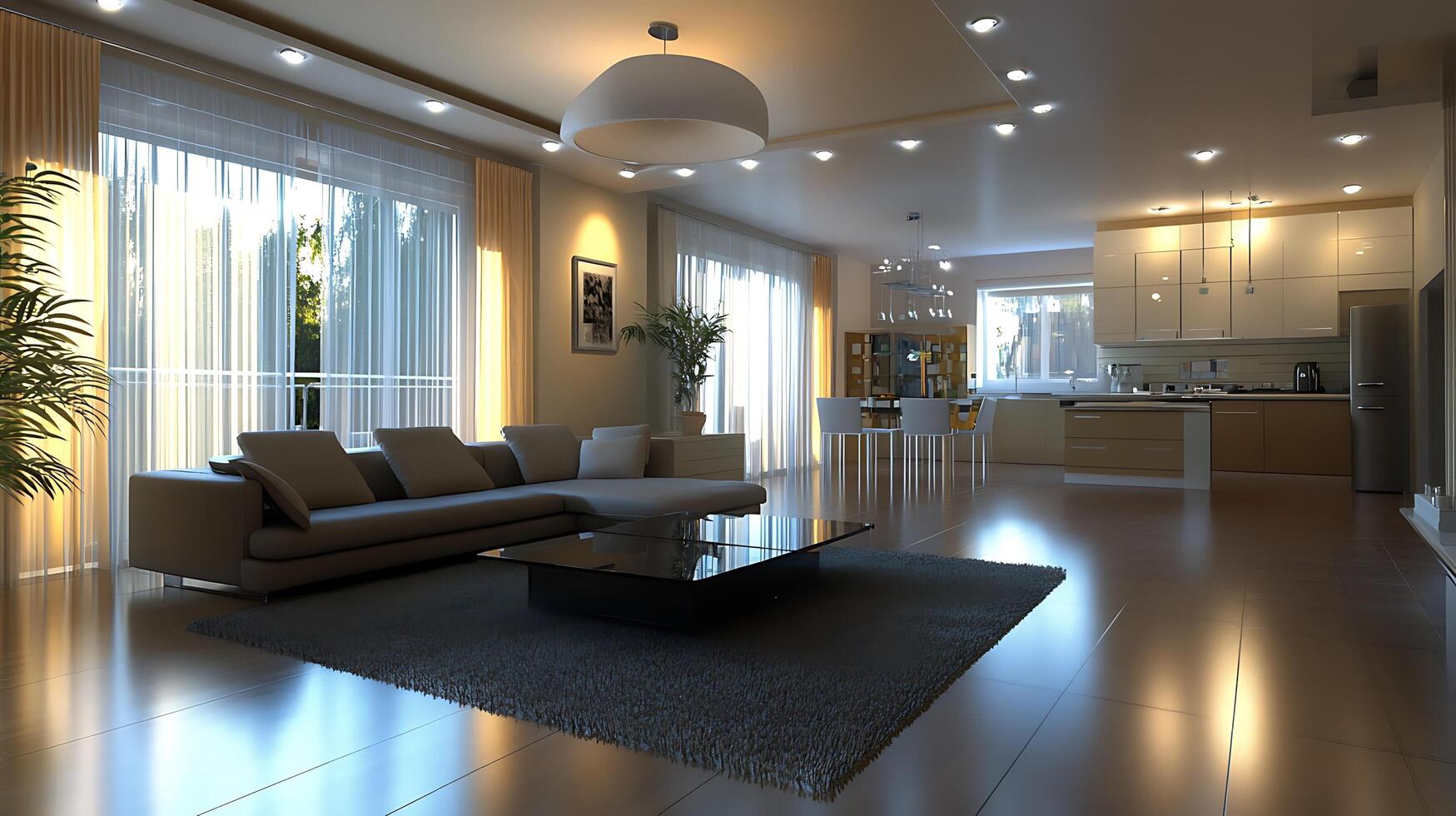
Those looking for a rental property often see big differences in the price lists. A bare home is the cheapest, an upholstered house is in the middle, but for a fully furnished apartment, you pay the top prize every month. That can sometimes feel like a substantial amount of storage for a sofa and dining table that you might have bought yourself. However, the higher price isn't just in the stuff itself.
Renting a furnished home is, in fact, a different service than renting an empty space. You pay for convenience, flexibility and a total package where all you have to do is unpack your suitcase. But how exactly is this additional cost structured and what do you actually pay for behind the scenes?
The depreciation and quality of the interior
The most logical reason for the higher rent is the investment made by the landlord. In a fully furnished home, you will not only find the basics such as a floor and curtains, but also furniture, lighting, kitchen appliances and often even dishes and bed linen.
Usage fee
The landlord may charge a fee for the use of these items. Furniture wears out faster than the walls of a house. Due to intensive use by different tenants, sofas, mattresses and appliances have to be replaced more often than in an average household. The rental price therefore includes a component for depreciating these items.
Furnishing costs
Furnishing a home costs time and money. The landlord has made styling choices and made sure that everything is coordinated. This' ready-to-use 'concept has a market value. As it were, you pay for the service that you don't have to go to the residential boulevard yourself, don't have to carry furniture and don't have to arrange installers for your washing machine or television.

The factor of convenience and flexibility
Furnished homes often focus on a specific target group: people who want to live somewhere for a relatively short period of time (e.g. six months to two years). This involves additional risks and costs for the landlord that are passed on in the price.
- Higher turnover: In furnished homes, tenants change more often. This means more administrative work, more frequent inspections and a higher risk of vacancy between two tenants.
- No moving costs: For you as a tenant, a furnished home saves thousands of euros in moving costs and purchasing your own contents. The savings at the start of your rental period translate into a higher monthly payment.
- Inclusive concept: Often, furnished homes are also 'turn-key' when it comes to utilities. The contracts for internet, TV, gas and light are already in the name of the landlord. The convenience of not having to arrange this yourself is reflected in the price.
Maintenance and replacement during the rental
When you rent a bare house and your own washing machine breaks down, you have to buy a new one yourself. In a furnished home, this is the responsibility of the landlord.
If the included refrigerator stops working or the sofa sags due to age, the landlord must repair or replace it. So you also pay a premium to ensure that in the event of defects, you will not face major unexpected expenses yourself. To do this, the landlord must maintain a financial buffer, which increases the monthly rent.
The legal limit: What is reasonable?
Although renting furnished is more expensive, a landlord cannot simply charge any amount for the furniture. There are rules for the service costs that are charged for the contents.
In the Netherlands, furniture compensation must be based on actual costs and depreciation. A rule of thumb that is often used is that the landlord can pass on approximately 20% of the daily value of the furniture to the tenant per year (with a depreciation period of five years). If the items are already ten years old, the fee should therefore be lower than for a brand new interior.
Is renting furnished the best option for you?
Whether the higher price is worthwhile depends entirely on your situation. If you plan to stay in the same place for years, it's almost always cheaper to rent an upholstered home and buy furniture yourself. You will usually have the investment paid off after a year or two.
However, are you looking for a place for a short break, do you travel a lot for work, or do you simply not have the capital to furnish an entire house at the moment? Then the convenience of a furnished home often outweighs the higher monthly costs. You pay for the freedom to leave with no more than a few suitcases once your contract expires.