February 3, 2026
Why are Dutch municipalities restricting rentals via Airbnb?
22/4/2022
February 5, 2026
February 5, 2026

Those who wanted to book a weekend away in Amsterdam, Utrecht or The Hague in recent years have noticed: the offerings on platforms such as Airbnb have been significantly thinned or subject to strict rules in certain neighborhoods. Where it once started as a nice idea, renting out a room to earn extra cash and offer tourists a local experience vacation rentals have grown into a billion-dollar industry that puts pressure on the quality of life in cities.
Local authorities in the Netherlands are intervening harder and harder. From a total ban in certain neighborhoods to a strict maximum number of nights per year: the rules are being tightened almost everywhere. But why does the government see Airbnb as a problem rather than an economic opportunity? The reasons are deeply rooted in the housing crisis, the quality of life in neighborhoods and the fairness of the market.
The housing market: Every home should be a home
The main reason for the restrictions is the enormous tightness in the Dutch housing market. We are facing a housing shortage of hundreds of thousands of houses. In that light, many municipalities find it intolerable that homes intended for permanent residence are withdrawn from the market to serve as an “illegal hotel”.
Profitability over living
When an owner can rent out their apartment in the center of Amsterdam for €200 per night via Airbnb, it provides much more than a permanent resident's monthly rent. This ensures that investors buy homes purely for vacation rentals. As a result, buying prices for starters are rising and there are no affordable options for people who want to live and work in the city such as teachers, nurses and police officers. By restricting Airbnb, municipalities hope that these homes will be available for regular rentals or sales again.
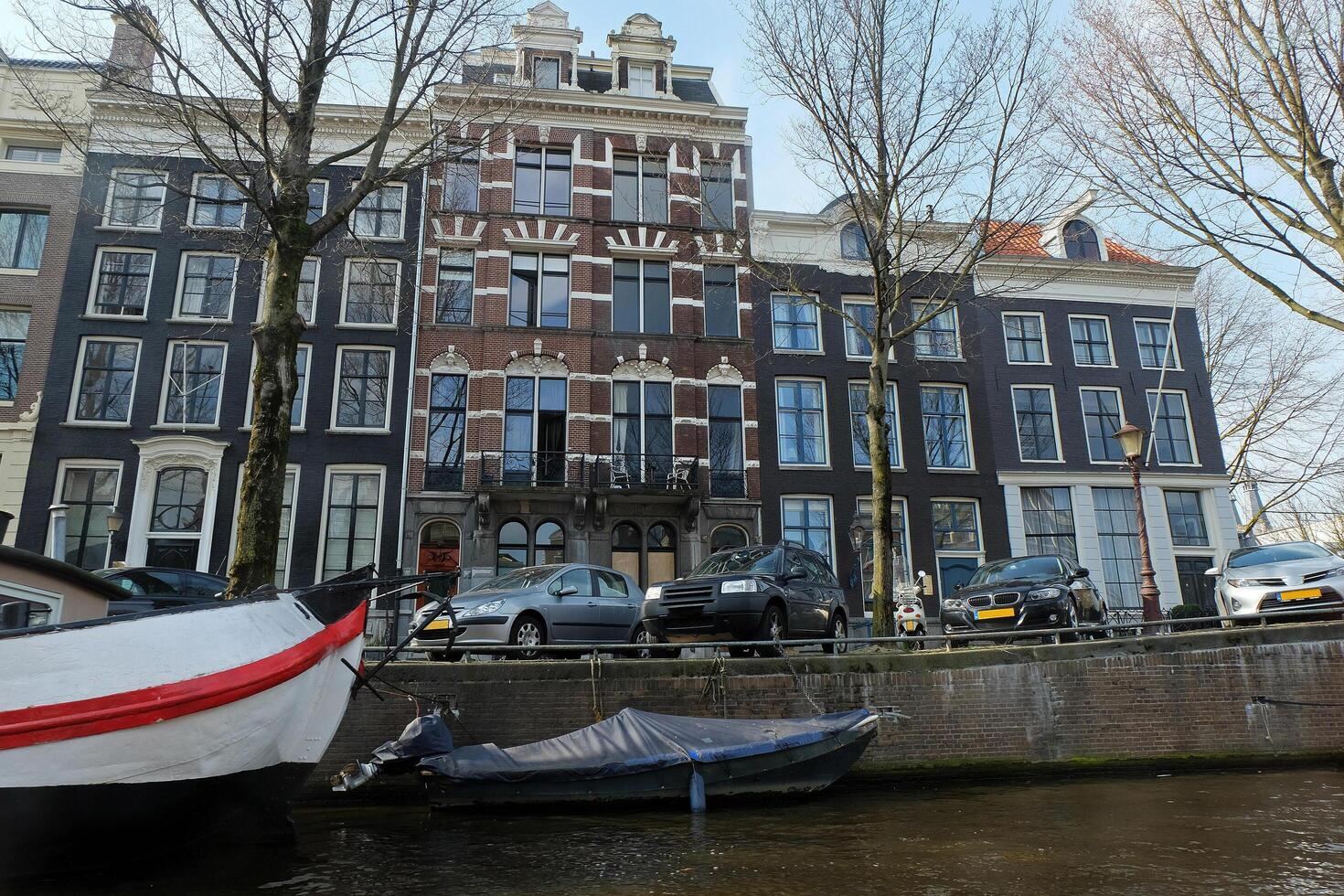
The quality of life: Tourists versus residents
A neighborhood is more than just a collection of buildings; it is a social structure. In neighborhoods where vacation rentals prevail, the character of the street changes completely. This phenomenon is also known as “Disneyfication”.
Social cohesion is disappearing
In apartment complexes where half of the homes are rented via Airbnb, neighbors no longer know each other. Instead of a neighbor accepting the packages or having a chat, you see new faces walking through the hall with trolleys every three days. This affects the sense of safety and social control in a neighborhood.
Nuisance and pollution
Tourists have a different rhythm than people who have to be at work at eight o'clock the next morning. Loud music, coming home loudly after a night out and offering waste incorrectly are common complaints. For a tourist, it is a one-off party, but for the permanent resident, it is a constant source of stress. Municipalities protect residents by reducing tourism pressure in residential areas.
Unfair competition for the hotel sector
Another argument made by the local government is to create a level playing field. Hotels must comply with extremely strict rules in the areas of fire safety, hygiene and personnel policy. In addition, they contribute significantly in taxes.
Private hosts via platforms like Airbnb often avoid these rules. A home is not built as a hotel; there are often no emergency exits with lighting, fire-resistant doors or professional fire systems. By requiring Airbnb hosts to register and pay tourist taxes, cities are trying to rectify the skewed relationship with the official lodging sector. The registration requirement, which now applies nationally, is a powerful weapon for municipalities to control who rents what.
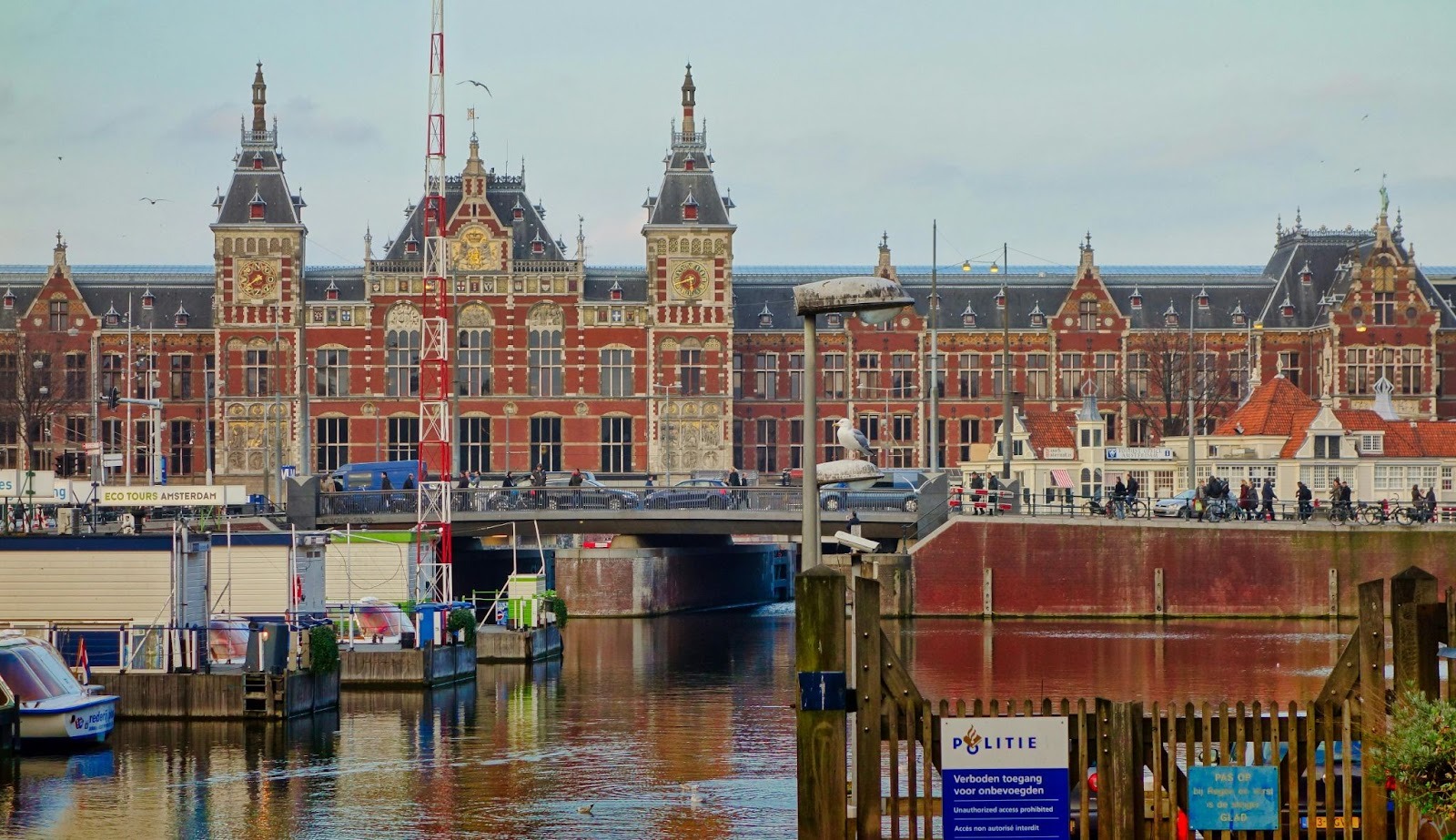
Enforcement: From wild west to strict control
In the beginning, it was pointless for municipalities. There was no idea who was renting and how often that happened. Today, the rules are much more concrete:
- Maximum number of nights: In Amsterdam, for example, you can only rent out your entire home for 30 nights a year. In other cities, this is often 60 nights.
- Notification obligation per stay: Every time tourists come, this must be reported to the municipality in advance.
- Permits: In some cities, you need a specific permit for vacation rentals, and only a limited number of permits are issued per district.
When a landlord does not comply with the rules, sky-high fines sometimes amount to tens of thousands of euros. Municipalities even deploy special enforcement teams that actively hunt for illegal hotels based on data from the platforms and tips from neighbours.
So, is Airbnb completely banned?
Certainly not. The government mainly wants to tackle “commercial vacation rentals” where entire homes are used as hotels all year round. Airbnb's original idea renting out a room in your own home while you're there (the so-called Bed & Breakfast form) is often still stimulated or less strictly regulated. In this way, social interaction is maintained and the behavior of the guests is controlled, without removing an entire home from the market.
In the Netherlands, the fight against Airbnb is therefore primarily a fight for the soul of the city. Governments want to prevent historic centers from turning into soulless amusement parks where there is only room for wealthy tourists and investors. By tightening the rules, they are siding with citizens who are looking for an affordable roof over their heads and who want a peaceful night's sleep on their own street.