February 7, 2026
Which Utrecht hoods balance cost and commute
18/5/2025
February 20, 2026
February 20, 2026
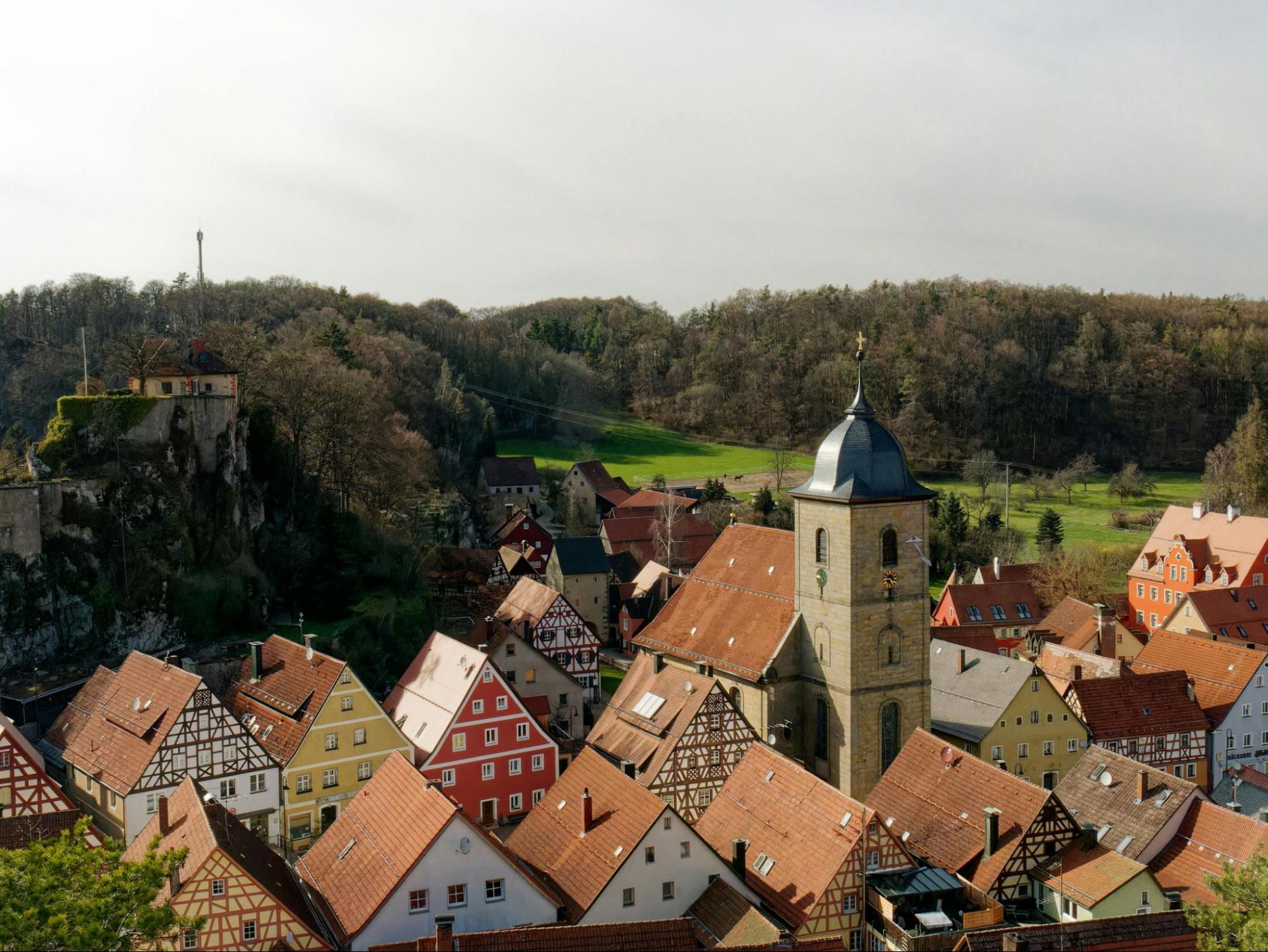
Utrecht is one of the most competitive housing markets in the Netherlands. Because of this, many residents stop searching for the cheapest area and begin asking a more realistic question: where can you still afford to live without sacrificing a manageable daily commute? In Utrecht, that balance exists, but it usually lies just outside the most talked-about neighborhoods.
It becomes visible when people start thinking in terms of daily routines and travel time rather than postcodes and reputation. Understanding which Utrecht neighborhoods balance cost and commute requires looking at how people actually move through the city and how housing prices shift once you step away from the historic core.
Neighborhoods just outside the center offer the strongest trade-off
Some of the most balanced areas sit directly beyond Utrecht’s inner ring. Neighborhoods like Pijlsweerd and Ondiep remain close enough that cycling to the city center or Utrecht Central station feels like a routine, ten-minute habit.
At the same time, housing prices drop noticeably; as of early 2026, properties in these "spillover" zones often range between €4,500 and €6,200 per square meter, nearly half the price of the historic Binnenstad. Adding ten extra minutes to a cycling commute can result in significantly lower rent without changing your daily rhythm in a meaningful way.
Strong cycling routes redefine what “close” really means
In Utrecht, commute quality is shaped less by physical distance and more by the efficiency of cycling flow. Neighborhoods with direct, uninterrupted routes like the "bicycle highways" connecting the Science Park or the city center often feel more accessible than areas that appear geographically closer but involve congested traffic or indirect travel.
This functional proximity allows slightly cheaper neighborhoods, such as Zuilen or Transwijk, to deliver a better real-world commute than more expensive districts. Smooth and predictable movement matters more than central coordinates, as 2026 data shows that properties near high-quality cycling infrastructure sell 10% faster than those in car-dependent pockets.
Residential zones outperform mixed-use hotspots on price
Areas that are primarily residential, such as Tuindorp or Hoograven, often offer better value than the "mixed-use" hotspots that dominate social media. Neighborhoods with fewer offices, tourist attractions, and nightlife venues tend to experience less intense bidding pressure while remaining fully connected to the city’s transit network.
Residents frequently discover that daily life feels calmer in these zones without any real loss in accessibility. When budgets are a priority in 2026, function often beats visibility; a residential neighborhood provides the same urban access as a high-visibility hotspot but with more square meters and lower noise pollution for your money.
Family-oriented planning keeps prices more stable
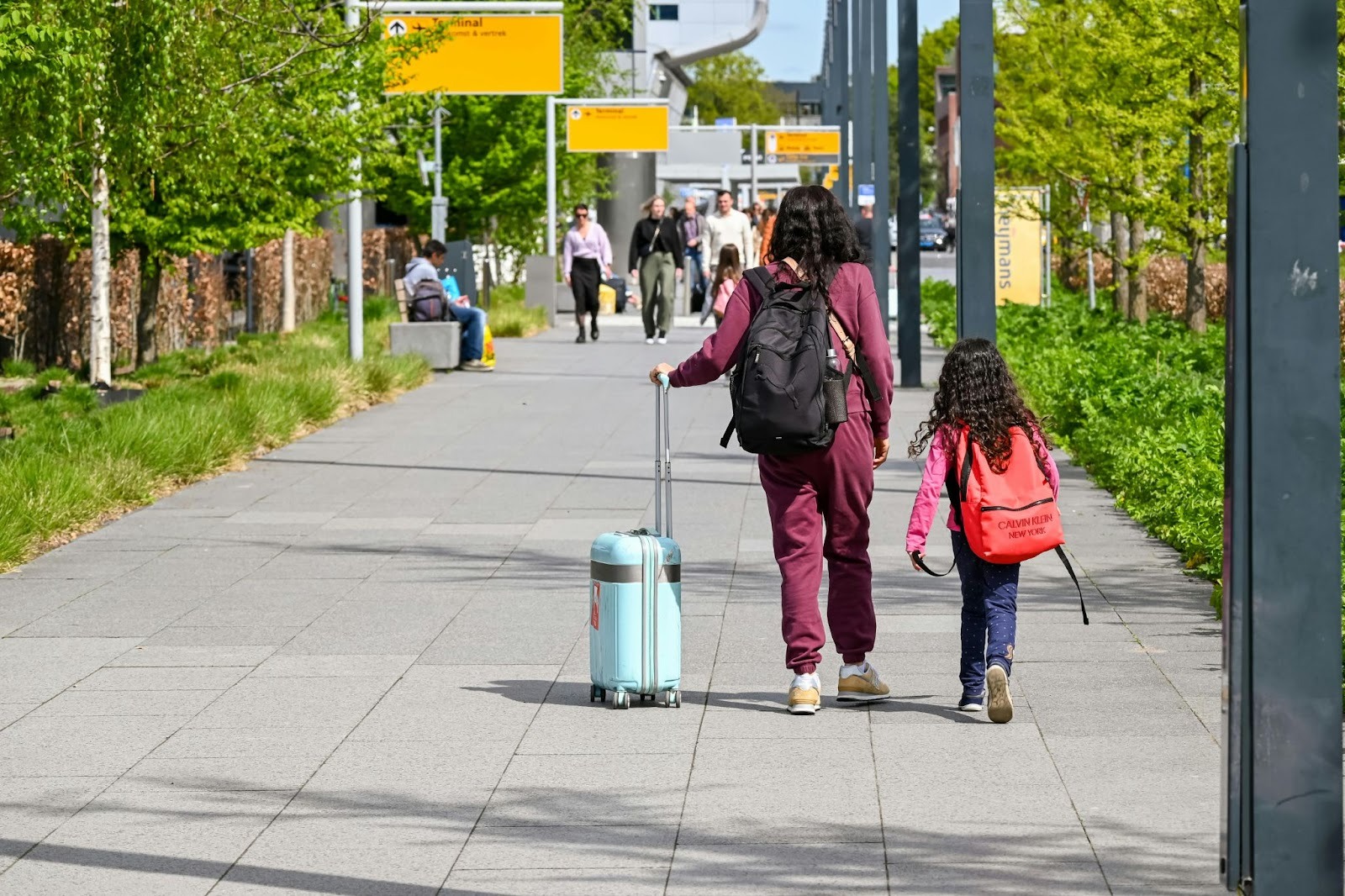
Neighborhoods designed around families, such as Leidsche Rijn or Lunetten, strike a better balance between cost and commute. These areas are anchored by schools and green spaces, attracting long-term residents whose presence moderates the frantic "flipper" demand seen in the city center.
In early 2026, these family hubs offer more stability, with homes selling in about 29 days slightly slower than the city's 15-day hotspots. This stability protects your investment while maintaining high-quality cycling routes and rail access, ensuring that long-term living patterns help buffer against extreme market volatility.
Apartments often offer better commute value than houses
In Utrecht, the choice of housing type is the most direct way to influence your budget. While detached homes in the region have reached an average price of €1 million in 2026, apartments remain a more realistic entry point, with citywide averages around €585,000.
Apartments in well-connected but "undervalued" neighborhoods like Overvecht or Kanaleneiland offer the strongest commute value, with prices per square meter ranging from €4,500 to €6,200. Prioritizing location efficiency over a private garden allows you to stay within a 15-minute cycle of the center for half the cost of a central row house.
Commute predictability matters more than speed
Many Utrecht residents find that consistency in travel time is more valuable than absolute speed. Neighborhoods like Tuindorp or Hoograven offer predictable commutes via dedicated bicycle paths that bypass car traffic, ensuring your 12-minute journey stays exactly 12 minutes regardless of the weather or rush hour.
This reliability reduces the mental strain of daily planning. In a city where overbidding remains at 8% above asking price in early 2026, finding a home in a "predictable" transit zone provides a form of daily luxury that saves you more stress than shaving three minutes off a congested car commute.
Proximity to employment clusters changes value perception
Living near large employment zones, such as the Utrecht Science Park or the business districts in Leidsche Rijn, allows you to bypass the city center entirely. In 2026, neighborhoods like Rijnsweerd remain in high demand specifically because they offer a "reverse commute" for university and hospital staff.
In these cases, a slightly higher purchase price represents better overall value because your daily travel time drops to zero or a five-minute walk. The direction of your commute matters as much as the distance; moving against the primary flow of traffic into Utrecht Central can make a "distant" neighborhood feel incredibly convenient.
Cost savings extend beyond rent or mortgage
The financial benefits of balancing cost and commute are not limited to your monthly housing payment. Well-connected neighborhoods reduce your reliance on expensive city parking which can exceed €4 per hour in central Utrecht and the need for a second car.
Over months and years, these transport savings accumulate in ways that are easy to overlook. In 2026, a household that trades a car for an e-bike in a rail-adjacent neighborhood like Terwijde can save upwards of €400 per month in fuel, insurance, and maintenance, effectively subsidizing a higher mortgage.
Demand is rising unevenly across the city
As central prices continue to climb, reaching nearly €10,000 per square meter in neighborhoods like Wittevrouwen, demand is spilling over into emerging zones. The Merwede district is currently seeing some of the highest growth rates (8–10%) as it transforms into a modern, car-free urban space.
However, this pressure remains uneven. Pockets of relative value still exist in neighborhoods like Ondiep or Zuilen for those willing to look beyond established reputations. Detailed searching in 2026 reveals that while the city is expensive, "spillover" neighborhoods offer the same lifestyle for a much smaller percentage of your income.
Lifestyle expectations define what balance means
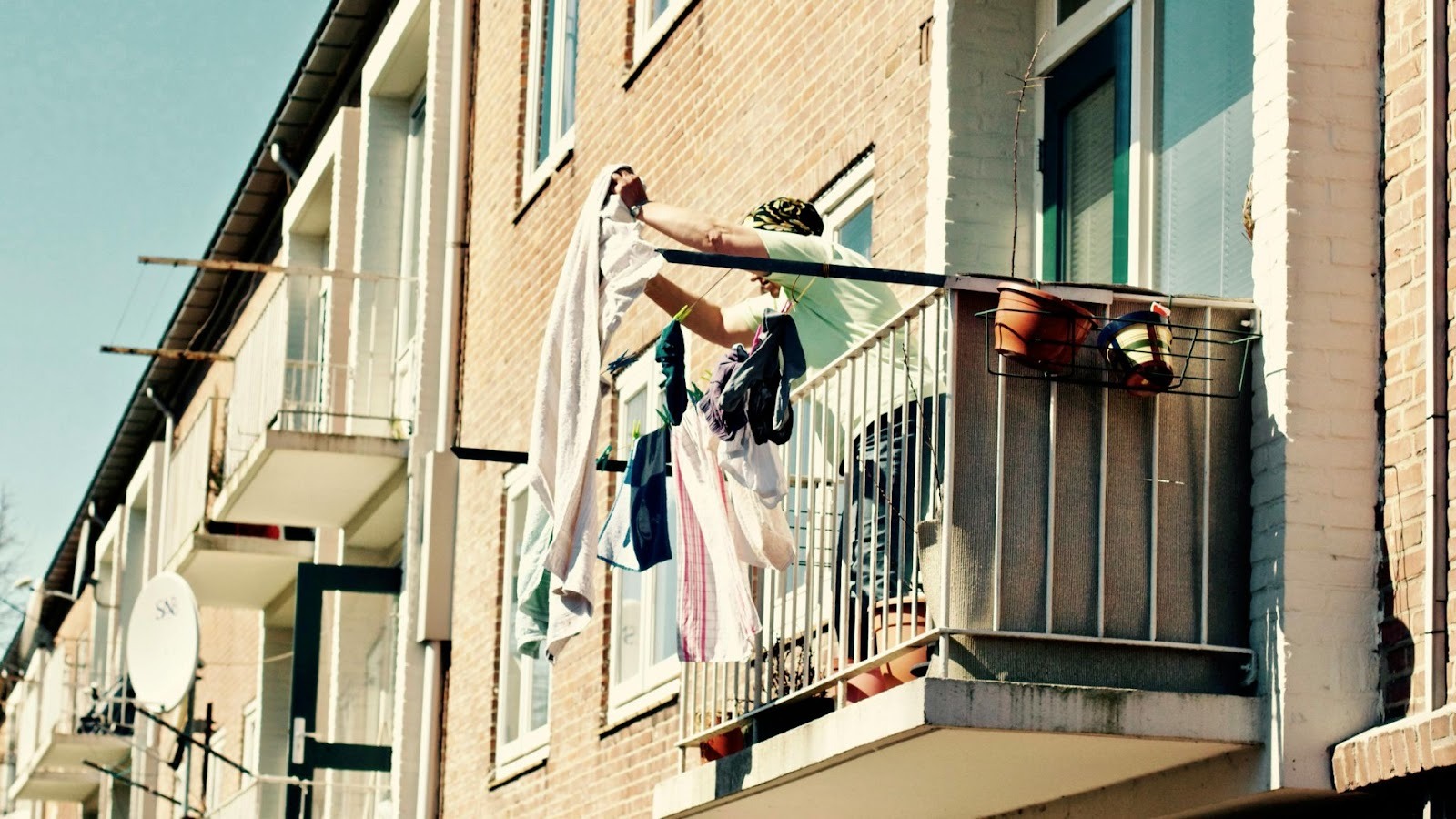
What feels like a good balance between cost and commute depends on household priorities. Some residents focus on minimizing travel time, while others accept longer commutes in exchange for lower housing costs. The best outcomes occur when expectations are clear from the start rather than adjusted later under pressure.
Clarity prevents regret. No Utrecht neighborhood offers a perfect solution. Lower costs usually mean fewer cafes or less activity, while faster commutes often come with higher prices. The goal is not perfection but long-term sustainability. Balance is always relative.
Prioritizing Daily Flow Over Postcode Status
Utrecht neighborhoods that balance cost and commute exist where infrastructure quietly does the heavy lifting. Strong cycling routes, reliable train connections, and residential planning enable certain areas to deliver everyday efficiency without the high prices of the central city.
The benefits are not only financial. They appear in time, reduce stress, and smooth daily routines. In Utrecht, the smartest balance is rarely found in the spotlight. It is found where daily life runs smoothly enough that location stops being something you constantly think about.