February 7, 2026
Which Haarlem neighborhoods have parks?
5/3/2025
February 20, 2026
February 20, 2026
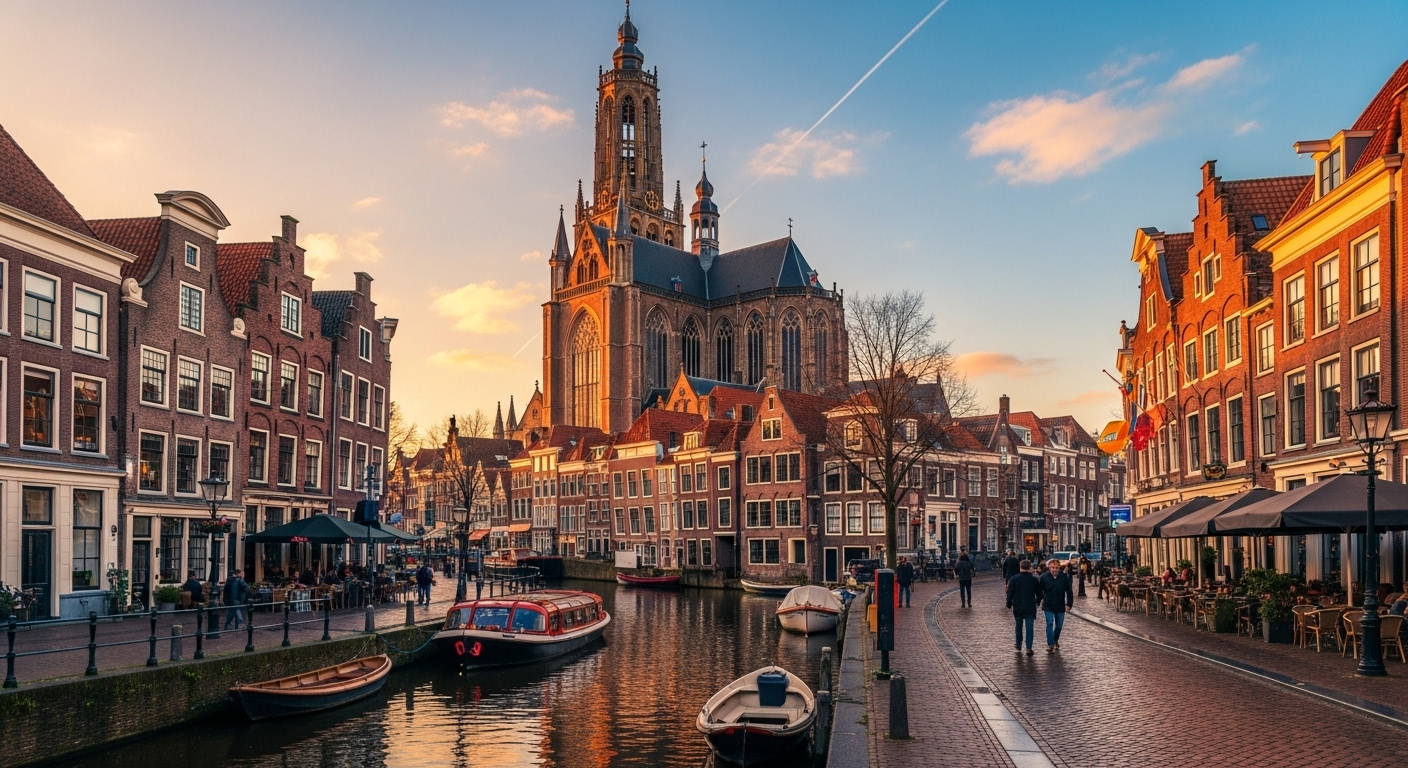
Haarlem is often praised for its historic charm, but many residents value just as much how greenery is woven into the city’s neighborhoods. Parks in Haarlem are not isolated destinations on the edge of town. They are part of daily life, shaping where families settle, how people spend their afternoons, and why certain areas feel calmer than others. Understanding which Haarlem neighborhoods have parks is not just about naming green spaces. It is about how close those parks feel, how often people use them, and how they influence everyday living.
In 2026, Haarlem continues to be defined by its seamless integration of urban living and natural escape. The city's layout ensures that almost every neighborhood has a "green anchor," though the character of these spaces varies significantly depending on the district.
Neighborhoods near the historic South feel the greenest
The southern part of Haarlem is home to the Haarlemmerhout, the oldest public park in the Netherlands. Neighborhoods here, such as the Haarlemmerhoutkwartier, benefit from a "forest-like" atmosphere where the canopy of old-growth trees extends right into the residential streets.
Residents use these woods for everything from morning runs to major festivals like Bevrijdingspop. For many families, the south represents the pinnacle of green living, where the historic architecture is inseparable from the massive, leafy landscapes that have been preserved since the 14th century.
Residential west offers quieter park-oriented living
Western neighborhoods like the Leidsebuurt and near the Brouwerskolkpark offer a more intimate form of park access. Here, the green spaces act as community living rooms where neighbors meet for coffee while children play on integrated natural wooden equipment.
This area is particularly popular for its "gateway" status; a short bike ride west leads directly into the vast Zuid-Kennemerland National Park. Residents here enjoy a quieter, residential rhythm where the city fades into the coastal dunes almost imperceptibly.
Northern areas mix water, green space, and housing
Haarlem-Noord is characterized by its wide streets and large-scale parks like the Schoterbos and the Haarlemmer Kweektuin. These areas often combine recreational greenery with water features and community-run initiatives like city farms and sustainable "grow" cafes.
The northern green spaces feel more open and functional, catering to active lifestyles with sports fields and long cycling paths that follow the canals. Many residents value the lack of tourist crowds and the sense of space that these northern "green lungs" provide for everyday exercise.
Park access shapes family-friendly areas
Families in Haarlem tend to cluster around specific "green hubs" like the Reinaldapark in the east or the Zaanenpark in the north. These locations are chosen specifically because they allow children to transition safely from home to play without crossing major roads.
The availability of these spaces supports a culture of outdoor independence, where the park becomes a central part of a child’s social and physical development. In Haarlem, choosing a home is often less about the house itself and more about which park will serve as the family’s primary outdoor retreat.
Smaller parks still play a big role
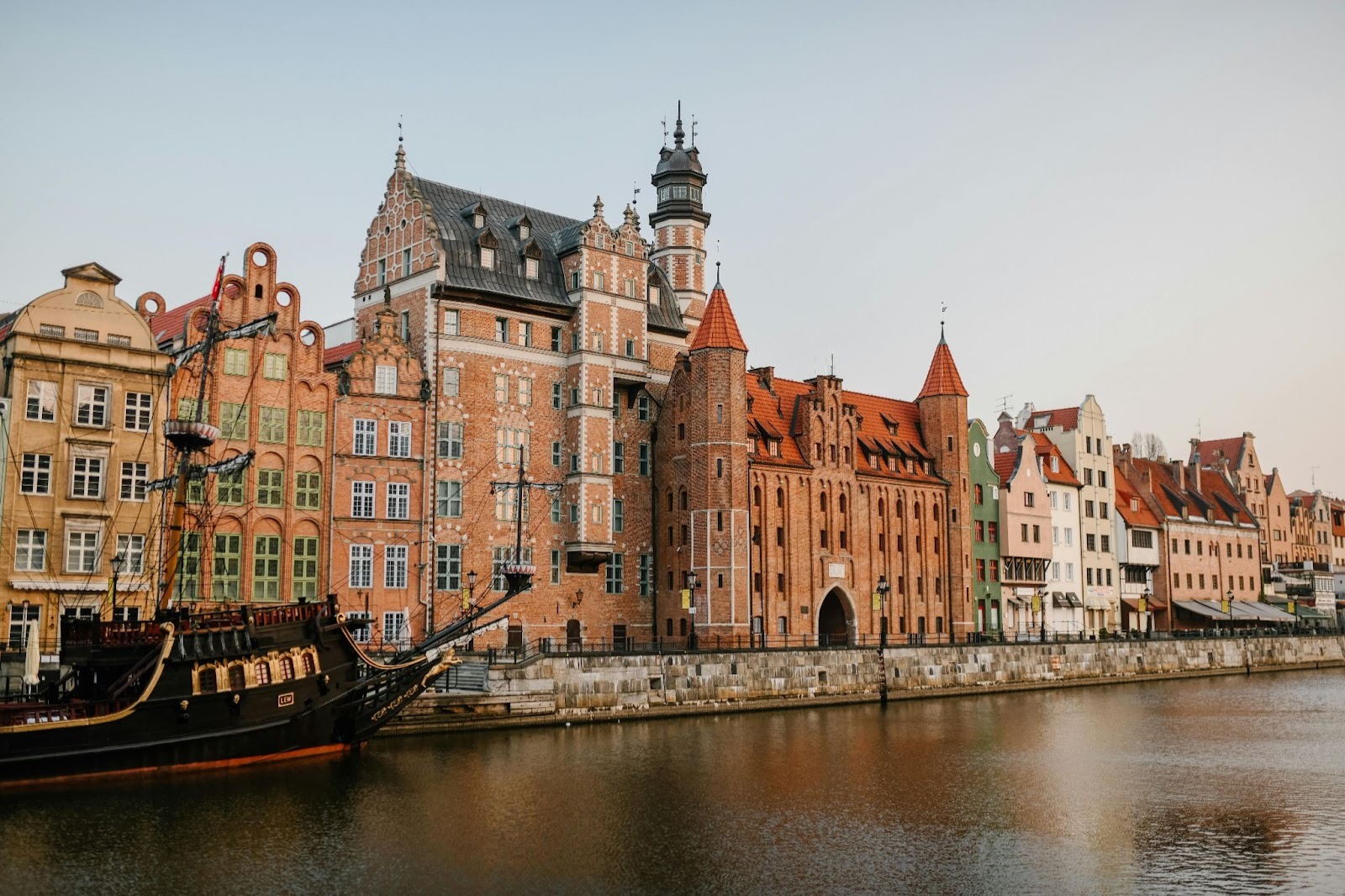
Not all green space in Haarlem is large or visually dramatic; in fact, much of the city's comfort comes from smaller neighborhood parks and green squares. These pocket parks are spread throughout the city and are heavily used for short breaks, informal meetings, and daily walks.
The frequency of use matters more than the actual acreage when it comes to everyday life. These micro-green spaces act as essential urban lungs, providing a quick natural escape that is available to residents within a few minutes of their front door.
Cycling routes often pass through green areas
Haarlem’s world-class cycling infrastructure significantly enhances access to its parks. Many primary bike routes are designed to pass alongside or through green spaces, making nature a functional part of daily movement rather than a separate destination.
Commutes feel significantly calmer when green corridors are integrated into the path to work or school. This design ensures that residents experience the city’s natural beauty as a routine backdrop to their lives, reinforcing a sense of environmental continuity.
Park proximity influences housing demand
In 2026, homes located near parks remain in high demand across the Haarlem market. Buyers and renters consistently prioritize the quality-of-life improvements that nearby green space provides, often viewing it as a long-term investment in their own well-being.
While this demand can influence pricing with transaction prices in Haarlem currently averaging around €6,335 per square meter many residents view this as paying for daily comfort. Green space is increasingly seen as a protective asset that holds its value through market fluctuations.
Parks support social life without noise
Parks in Haarlem function as vital social hubs that remain free from the noise and intensity of cafés or nightlife. Neighbors meet naturally while walking dogs or playing with children, creating a low-pressure environment for community interaction.
This kind of quiet social connection plays an important role in overall neighborhood satisfaction and resident retention. By providing a space for informal gathering, Haarlem’s parks help build a resilient social fabric that defines the city’s character.
Green space contributes to a calmer soundscape
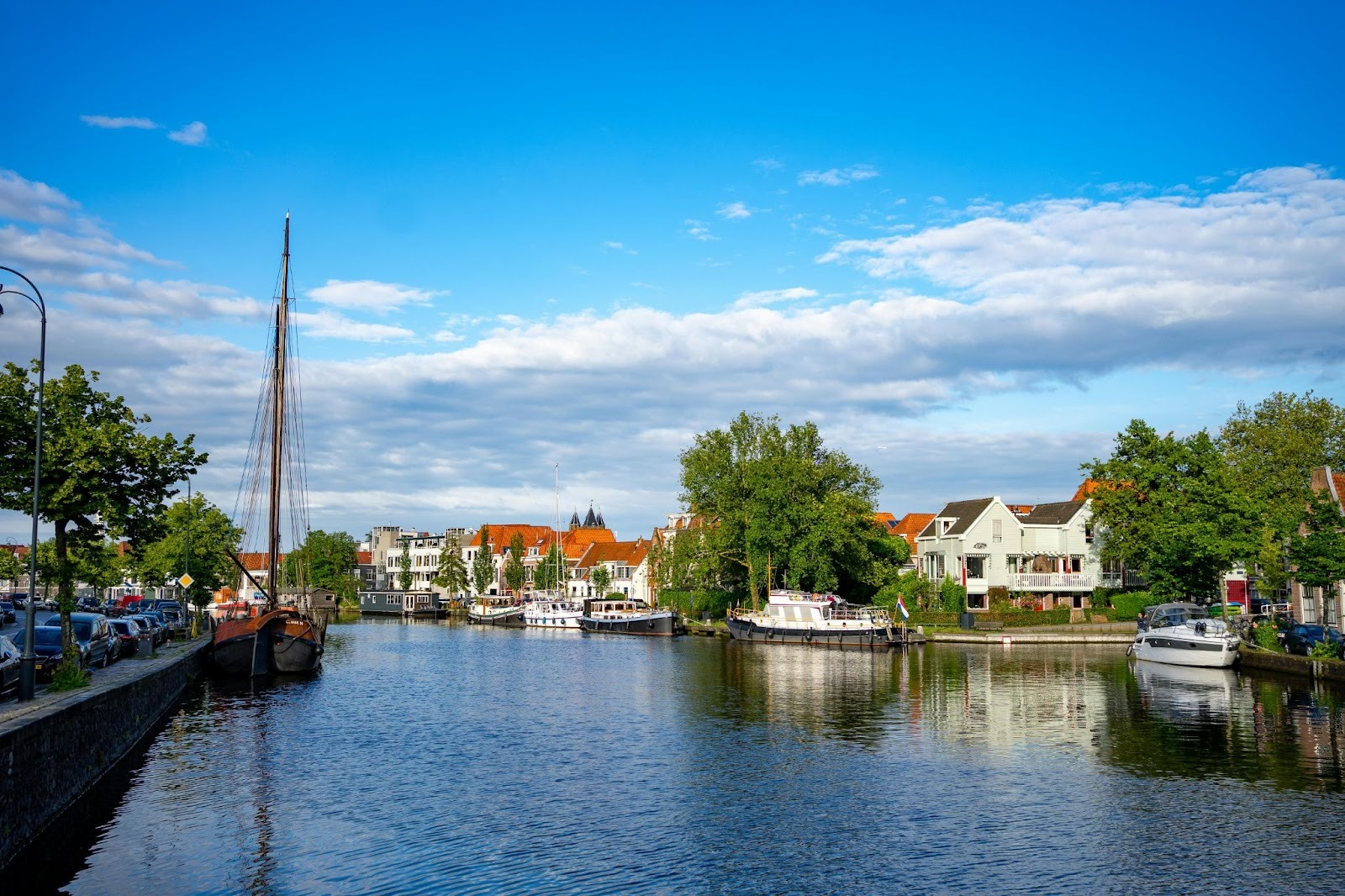
Neighborhoods located near parks are generally quieter because the presence of trees and open land acts as a natural acoustic buffer. These soft surfaces absorb urban noise and provide distance from major roads, supporting better rest and overall mental well-being for residents.
In these areas, silence becomes a constant part of the environment rather than a luxury that needs to be sought out. This auditory calm is a significant factor for those choosing to live in the south or west of Haarlem, where the sound of the wind in the trees often replaces the hum of traffic.
Trade-offs still exist near popular parks
Popular parks like the Haarlemmerhout or the Kenaupark attract large numbers of people, especially on sunny weekends or during festivals. For residents living immediately adjacent to these hubs, this can mean busier streets, more bicycle traffic, and higher ambient activity than in more secluded areas.
Satisfaction with park-adjacent living often depends on a personal tolerance for this communal energy. While some residents enjoy being at the heart of the city's outdoor social life, others may prefer the deeper seclusion of smaller, less famous green squares.
Extensions over destinations
Haarlem’s park infrastructure is designed as a series of extensions to the home rather than as separate destinations. Green space is integrated into the city’s structure, ensuring that it remains accessible from the historic south to the water-rich northern zones.
Parks here are not reserved for special weekend escapes; they are used daily for exercise, commuting, and social interaction. For residents who value nature as a seamless part of their routine, Haarlem’s neighborhoods provide a balance that is both practical and restorative.