February 7, 2026
Which Amsterdam areas suit young professionals?
3/2/2025
February 20, 2026
February 20, 2026

Amsterdam attracts young professionals from all over the world, but choosing where to live often matters as much as landing the job itself. The city isn’t one uniform experience. Each area offers a different mix of work-life balance, social energy, affordability, and long-term comfort.
For young professionals, the “right” Amsterdam area is rarely about prestige alone. It’s about how your days actually feel, commuting, meeting friends, working late, and trying to enjoy the city without burning out.
Central areas appeal to those who want everything close
Living in the center or the Jordaan in 2026 means being at the heart of the city's heritage. For professionals who value immediacy, having the office, boutique gyms, and world-class culture within a five-minute walk is the ultimate luxury.
The spontaneity of central living allows for a lifestyle where social plans rarely require a calendar. However, with rents in the canal belt often exceeding €3,500, the trade-off is often a smaller footprint and a more intense urban energy that lasts well into the night.
West offers a balance between liveliness and livability
Amsterdam West, particularly Oud-West and De Baarsjes, has solidified its status as the favorite for those seeking a middle ground. The area provides a high density of innovative food halls and specialty coffee shops without the claustrophobia of the tourist-heavy core.
Housing here often features the high ceilings of 19th-century blocks, which professionals find ideal for creating dedicated work-from-home zones. With Westerpark and Vondelpark nearby, the district feels active and green, offering a city life that is present but never overwhelming.
East attracts those prioritizing community and routine
Amsterdam East has transformed into a culinary and community-focused hub that appeals to professionals looking for a more grounded rhythm. Neighborhoods around Javastraat and Oosterpark offer a global mix of markets and independent boutiques that foster a strong sense of local identity.
Social life in the East is centered on neighborhood bars and routine afternoon walks rather than late-night clubbing. Many young professionals choose this area because it feels easier to settle into long-term, providing a stable community feel while remaining only 10 minutes from the center by bike.
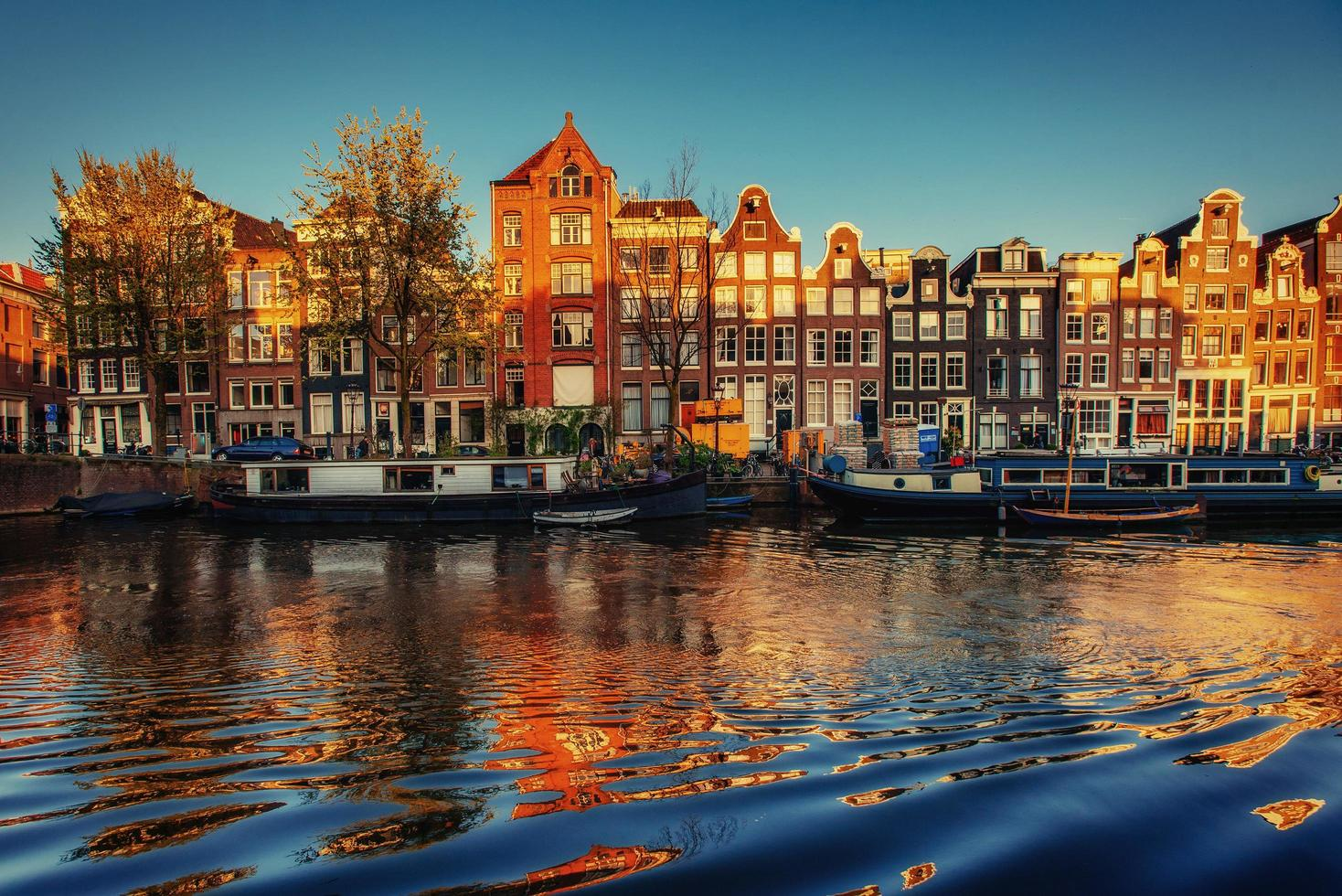
South combines prestige with practicality
Amsterdam South continues to attract professionals who value a polished and predictable environment. The district provides a clear separation between a high-stakes career and a quiet home life, offering wide, tree-lined streets that feel world's away from the city center.
It offers excellent transport links through Station Zuid and proximity to major business hubs like the Zuidas. While housing costs here are among the city's highest, many residents see this as a worthwhile investment for the stability and premium comfort the area provides.
North appeals to those seeking space and creativity
Amsterdam North has rapidly transformed from an industrial zone into a vibrant creative hub. Younger professionals are drawn to the newer, energy-efficient apartments and the experimental live-work communities that have taken root around the NDSM wharf.
Ferry connections make the commute across the IJ part of a unique daily rhythm rather than a logistical hurdle. This area works well for those who prefer a less traditional Amsterdam experience and are willing to trade central proximity for more breathing room and originality.
South-East fits professionals focused on affordability and access
Amsterdam South-East is currently undergoing a massive urban transformation, highlighted by the Eleven Square project. This development is introducing over 1,100 new homes to the district, creating a modern, mixed-use heart in the ArenApoort area.
The neighborhood offers value-driven housing options and strong transport connections that make it highly practical for daily commuting. It attracts young professionals who prioritize modern amenities and affordability over the "postcard aesthetics" of the historic canal belt.
Proximity to work often outweighs neighborhood reputation
For many professionals in 2026, reducing daily travel friction is the most effective way to improve quality of life. Living closer to the office frees up significant time and energy for social activities and personal recovery, which often yields higher long-term satisfaction.
This practical focus frequently outweighs the desire to live in a trendy or high-status district. Professionals who optimize for a short commute report feeling more connected to the city because they have the time to actually enjoy its amenities after work.
Social preferences shape neighborhood fit
Choosing a neighborhood that aligns with your actual social habits is crucial for long-term happiness in the city. Some areas are better for those who want spontaneous nights out, while others cater to those who prefer planned gatherings and quiet, local routines.
Misalignment between a resident's lifestyle and their neighborhood's energy can lead to frustration and early turnover. Successful professionals tend to choose their base by looking at how they truly spend their weekends rather than where they think they should be seen.
Housing stock influences daily comfort
The variety of housing in Amsterdam means that daily comfort is often dictated by the age and design of the building. Younger professionals working in hybrid roles often prioritize modern insulation, natural light, and functional layouts over the charm of a historic exterior.
Newer builds in areas like North or South-East offer a level of efficiency and productivity that drafty, older apartments cannot match. In 2026, the quality of a home’s internet connection and its energy label are as important as its street address.
Long-term plans subtly influence the best choice
Short-term stays in the city typically favor central, high-energy areas where the "Amsterdam experience" is most accessible. However, those planning to stay for several years often benefit from moving to calmer neighborhoods where daily routines feel more sustainable.
The city is designed to support this evolution, allowing residents to move between districts as their careers and priorities shift. Understanding your own timeline helps in choosing a neighborhood that will remain relevant and supportive for as long as you plan to stay.

What young professionals often underestimate
Many newcomers underestimate how much daily logistics like cycling routes and grocery proximity impact their long-term happiness more than a weekend at a trendy café. In 2026, the high cost of the ground lease (erfpacht) and strict "buy-to-let" protections are also critical financial factors that can trap those who don't plan for the hidden costs of ownership.
Daily comfort in Amsterdam is often found in the small efficiencies of a well-located home, such as a ground-floor storage unit for a heavy e-bike or a modern energy label that keeps utility bills predictable. These functional details outlast the novelty of a historic facade, which can quickly lose its charm when faced with drafty windows and steep maintenance fees.
The final verdict
Amsterdam offers multiple paths for young professionals, but success in this market requires a pragmatic alignment between your career stage and your neighborhood's infrastructure. In 2026, the most satisfied residents are those who choose a home based on where they actually spend their Tuesday evenings rather than their Saturday nights.
The right neighborhood doesn’t need to be perfect; it simply needs to work day after day by reducing the friction of city life. Once that alignment clicks whether it's in the creative hubs of the North or the polished streets of the South the city stops feeling like a competition and starts feeling like home.