February 7, 2026
What quiet spots in Zwolle appeal?
28/2/2025
February 20, 2026
February 20, 2026
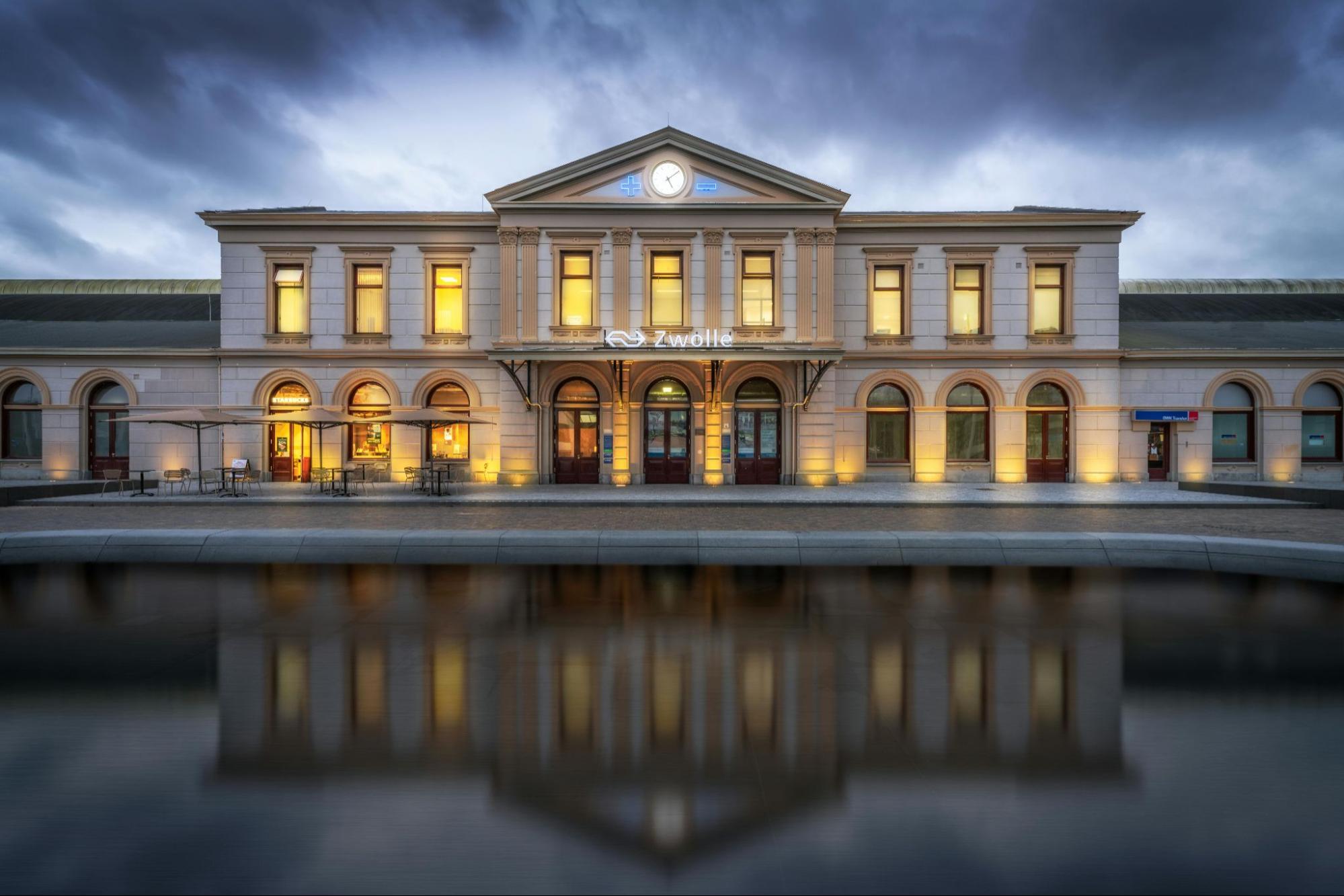
Zwolle is often praised for its compact center and historic charm, but what truly draws many residents is how easy it is to find calm just beyond the busy streets. The city separates activity from rest in a way that feels intentional. You can enjoy the city when you want to and step away from it when you do not.
The quiet spots in Zwolle do not announce themselves loudly. They reveal their appeal through daily routines, predictable rhythms, and neighborhoods designed for living rather than passing through.
Residential neighborhoods feel intentionally calm
Many of Zwolle’s quieter areas are clearly residential by design, moving away from the "bricks for tree bark" philosophy. Streets are wider and traffic moves slowly because the city follows a "STOP-principle" that prioritizes walking, cycling, and public transport over private cars.
These neighborhoods feel settled, with residents staying longer and building predictable routines over time. The calm is not accidental; it is a direct result of municipal frameworks like the Roelenkwartier redevelopment, which removes cars from the streetscape to prioritize communal social spaces.
Distance from the center is short but meaningful
One of Zwolle’s greatest strengths is its compact scale, where even the "outskirts" remain within a ten-minute cycle of the central station. This short distance creates a clear contrast between the lively market squares and the tranquil residential zones without causing any real inconvenience.
You do not have to leave the city to escape its noise. New innovation districts like WärtZ, located just south of the station, are designed as "car-free neighborhoods" that offer a quiet, modern counterpoint to the bustling historic core while keeping all essential services within immediate reach.
Green-adjacent areas soften daily life
Quiet spots in Zwolle often sit near the evolving Singelpark, which functions as a garden, recreational zone, and climate buffer all at once. Parks like De Wezenlanden and the English Works reduce background noise and slow the pace of daily movement.
Residents naturally spend more time outdoors, reinforcing a sense of calm that is supported by the city's Adaptation Strategy. Green space here acts as a physical buffer rather than a distant destination, ensuring that nature-inclusive living complete with shrubs, birdhouses, and urban meadows is a daily reality.
Family-oriented streets stay quiet by default
Areas popular with families, such as the newer De Tippe district in Stadshagen, are designed around charming courtyards and sustainable living. These streets stay quiet by default because they are built to be "nature-inclusive" and sheltered from heavy through-traffic.
This rhythm supports rest and routine, with traffic dropping off early in the evening and weekends feeling predictable. The focus on "basic quality of nature" means that these family-oriented zones are not just places to live, but healthy ecosystems where children can play safely in a low-noise environment.
Limited nightlife keeps certain areas consistently peaceful
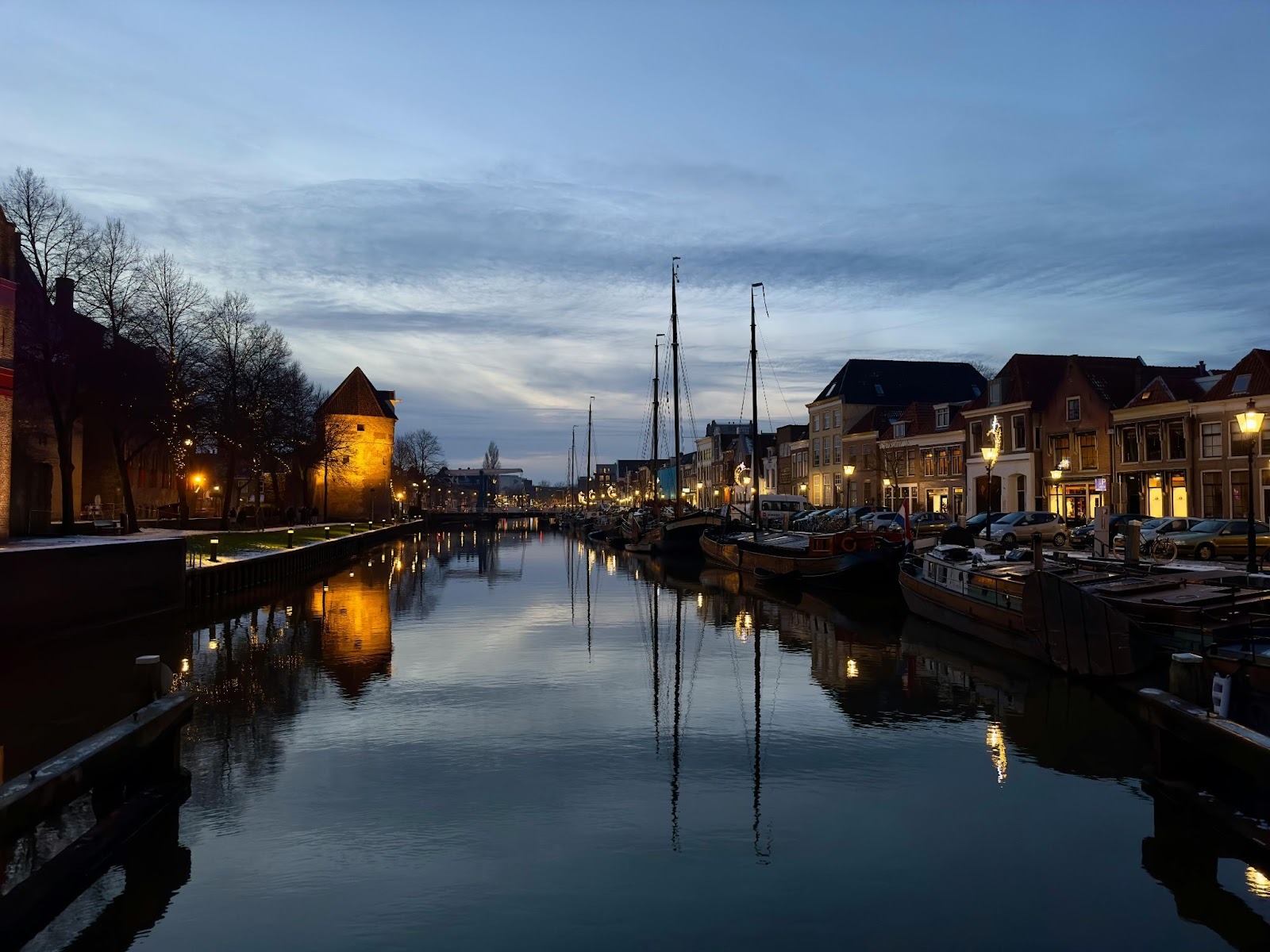
Zwolle’s nightlife is intentionally concentrated in specific zones around the historic core and the Nieuwe Markt, leaving the vast majority of neighborhoods unaffected by late-night noise. This geographical separation allows residents to move between the energetic center and their quiet homes without compromise.
Zoning regulations in 2026 continue to favor residential tranquility by strictly managing the expansion of hospitality licenses. This ensures that while the city remains a vibrant student hub, the "noise spillover" into nearby districts is carefully mitigated through collective resilience and municipal oversight.
Housing turnover is relatively low in quiet areas
In Zwolle’s calmer neighborhoods, people tend to stay for decades, creating a stable environment where neighbors are familiar with one another's routines. This lower turnover reduces the frequent disruptions caused by moving trucks and renovations, contributing to a lasting sense of calm.
Over time, this stability builds a high level of informal trust and community monitoring, which naturally discourages anti-social behavior. In 2026, this social continuity is a key reason why neighborhoods like Berkum and the outskirts of Wipstrik remain among the most sought-after quiet zones in the region.
Streets prioritize cycling and walking over cars
The city’s mobility transition has transformed many residential streets into "fietsstraten" (cycle streets) where cars are guests and through-traffic is discouraged. By reducing the number of vehicles in residential areas, Zwolle has lowered its ambient sound levels significantly compared to more car-centric cities.
Movement in these neighborhoods feels gentle and unhurried, reflecting the city's commitment to a nature-inclusive urbanization strategy. This design doesn't just reduce physical noise; it encourages residents to adopt a slower, more mindful pace of life during their daily movements.
Apartments can be quiet, not just houses
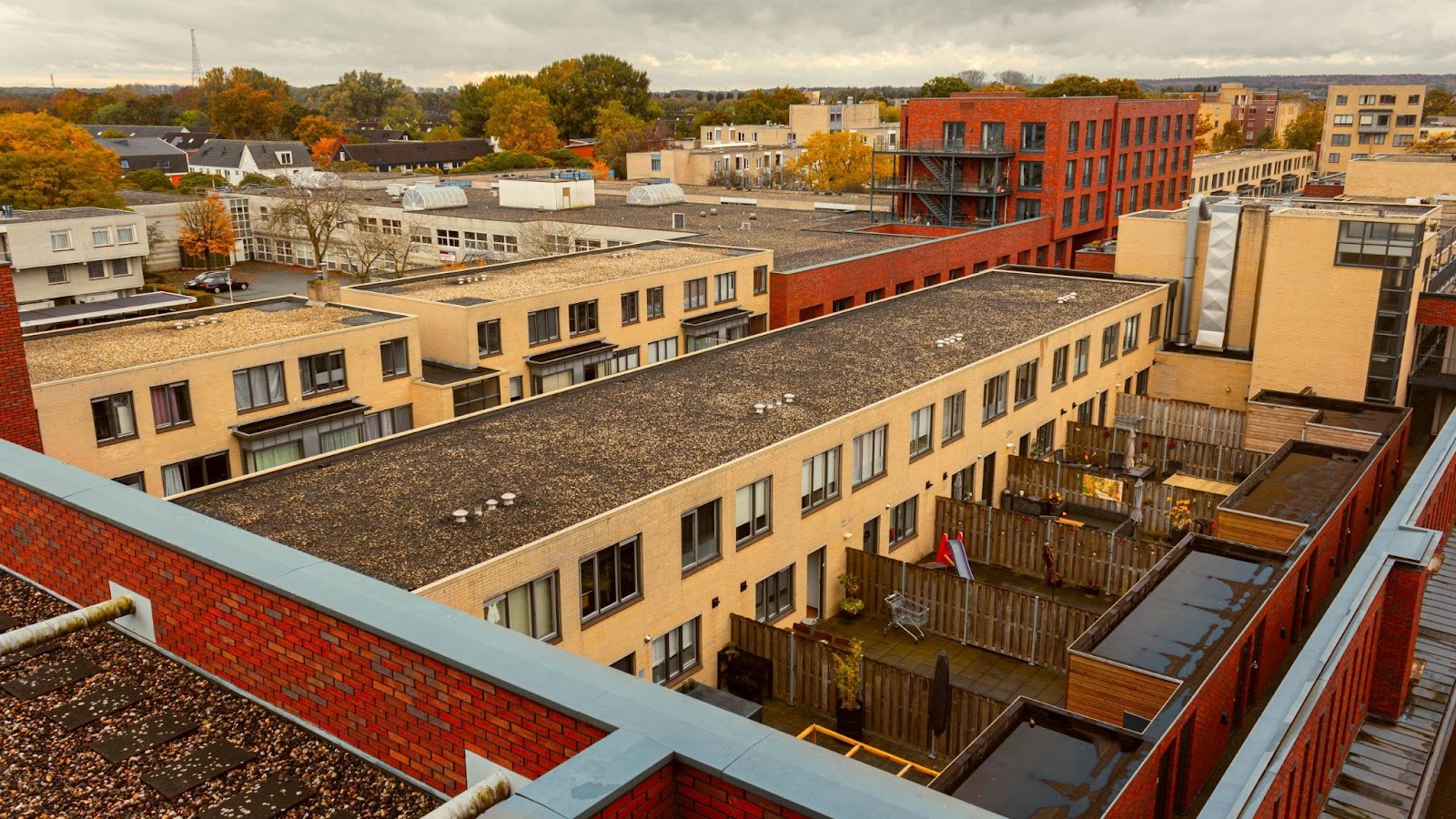
Quiet living in Zwolle is increasingly available in smaller, high-quality apartment buildings located within established residential zones. Unlike central apartments that may sit above active commercial spaces, these buildings benefit from modern sound insulation and a more predictable street environment.
Developments like "The Swan" near the singel or the car-free lofts in the WärtZ district demonstrate that density can coexist with tranquility. In 2026, the focus on smart layouts means that an apartment can offer as much peace as a detached home when situated in the right context.
These spots attract people seeking long-term comfort
People choosing Zwolle’s quieter areas often plan to stay for the long term. They value predictability, rest, and daily comfort over the high-speed stimulation of larger metropolitan hubs.
This shared mindset reinforces the local atmosphere, creating neighborhoods where social trust is high and disruptions are few. In early 2026, this is particularly evident in districts like Aa-landen, where the presence of the Aa-park and established community routes ensures that quiet living remains a permanent feature rather than a temporary phase.
Trade-offs exist for those seeking constant activity
For some, these neighborhoods may feel too calm or even isolated from the city's emerging creative energy. Those who thrive on nightlife, spontaneous social encounters, or the "buzz" of a dense urban center may find themselves gravitating back toward the historic core or the new innovation hubs.
Lifestyle alignment matters deeply in a city like Zwolle. Choosing a quiet residential area means accepting a slower pace, which is a perfect fit for young families or professionals who work in the city but want their home life to remain entirely separate from their professional activity.
Functional over empty
Zwolle’s quiet spots appeal because they make everyday life easier through intentional urban planning. They offer residential calm, green surroundings, and low traffic without sacrificing access to essential services or regional transport.
The quiet here is not empty or dull; it is a functional choice supported by projects like the WärtZ district and the expansion of the Singelpark. For people seeking a city that knows when to slow down, Zwolle provides a structure that supports both a productive career and a restorative home environment.