February 7, 2026
What peaceful options are near Rotterdam?
15/5/2025
February 20, 2026
February 20, 2026
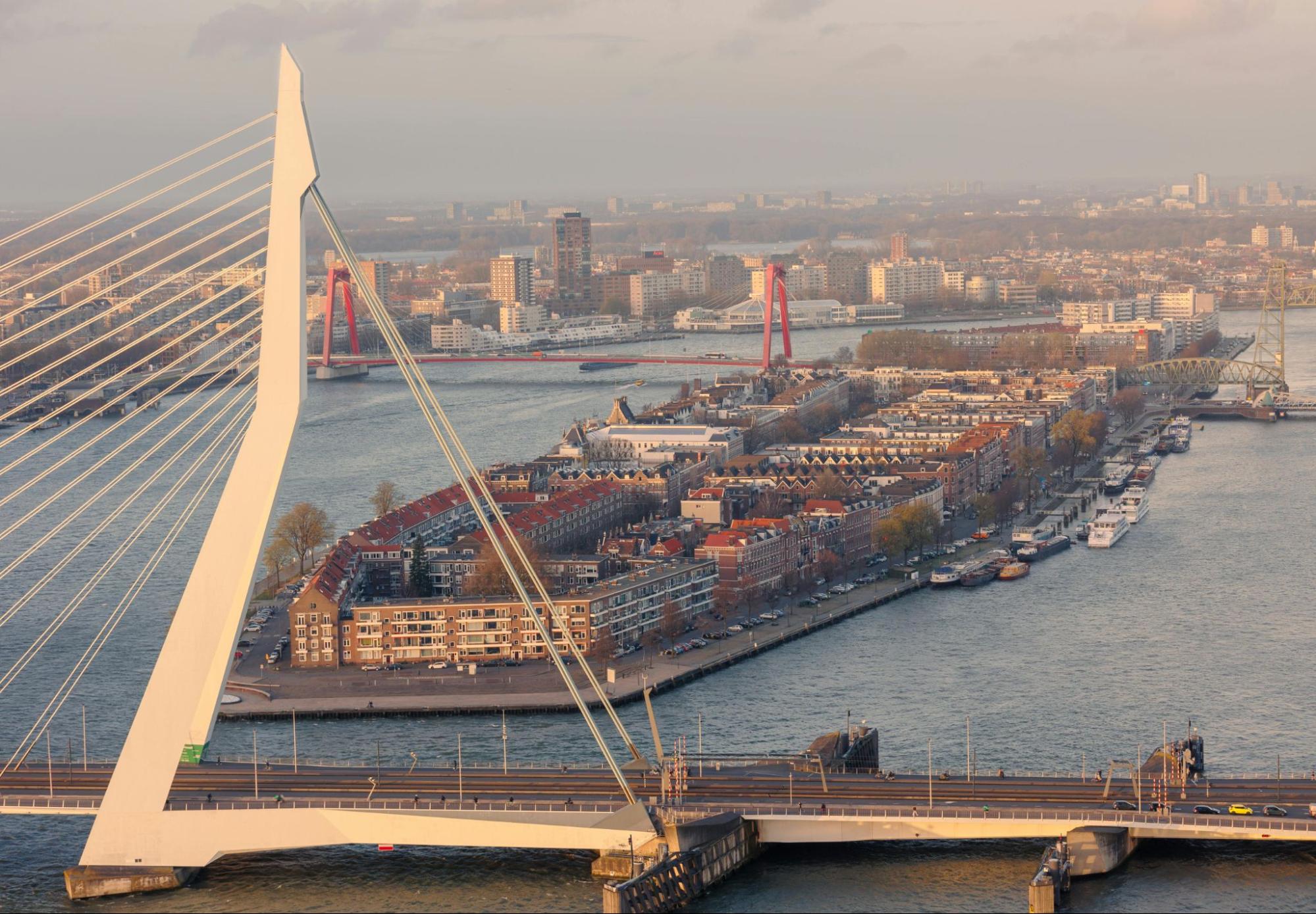
Rotterdam is dynamic, dense, and constantly moving, which is exactly why many people working or studying there start looking just beyond the city limits for calmer places to live. Peaceful living near Rotterdam does not mean isolation or long commutes; instead, it often means choosing areas where space, greenery, and predictable routines take priority while remaining well connected to the city’s jobs and amenities.
Understanding the peaceful options near Rotterdam requires examining how surrounding towns and suburban areas balance quiet living with practical access to urban life.
Suburban towns offer calm without breaking connectivity
Several towns just outside Rotterdam provide a noticeably calmer pace of life. These areas are often designed around residential comfort, with lower building density, fewer tourists, and streets that quiet down early in the evening.
At the same time, strong train and road connections allow residents to commute to Rotterdam without feeling cut off. For many households, this balance feels like a relief rather than a compromise.
Green surroundings reduce daily mental load
One of the main reasons people move away from central Rotterdam is the lack of access to green space. Nearby towns often feature parks, open fields, canals, and walking routes that are part of everyday life rather than weekend destinations. Being able to step outside into greenery changes how mornings, evenings, and weekends feel over time. Green space quietly lowers stress levels. Peaceful does not mean empty.
Many towns near Rotterdam have compact local centers with shops, cafés, and basic services that support daily needs without drawing large crowds. These centers remain active during the day but rarely create the noise or pressure associated with larger cities. Activity here feels functional rather than constant.
Calmer neighborhood planning
Areas popular with families tend to feel calmer by default because their fundamental design prioritizes safety over speed. Schools playgrounds and residential streets dominate the urban planning which explicitly limits heavy through traffic and minimizes the need for loud commercial nightlife.
Children cycling independently and neighbors staying long term contribute to a predictable low noise environment where social cohesion is strong. Routine replaces the rush of city life creating a tranquil setting that is conducive to relaxation and family activities.
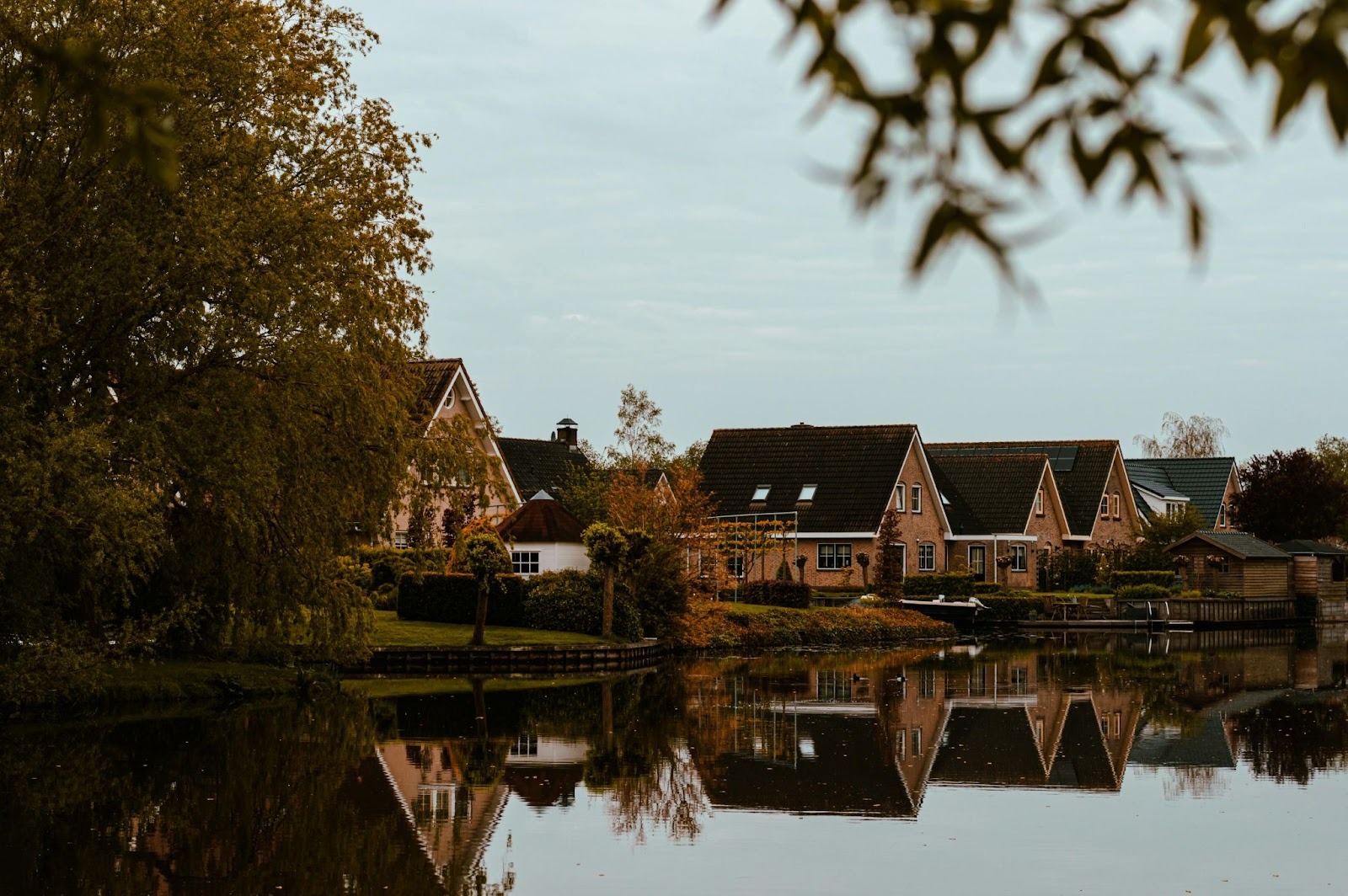
Housing layouts favor space and separation
Homes near Rotterdam’s outskirts, such as those in the green northern districts or the expanding southern suburbs, are often more spacious than their city-center counterparts. Larger layouts, private gardens, and better sound separation between neighbors reduce daily friction, especially for the 2026 workforce that frequently splits time between the office and a dedicated home workspace.
This physical space reinforces a sense of calm that begins inside the home. In neighborhoods like Hillegersberg-Zuid or Overschie, the extra square meters provide room for personal hobbies and family separation, supporting mental peace by ensuring that the home environment never feels crowded or over-stimulated.
Cycling and walking feel safer and slower
Mobility patterns change significantly once you leave the urban core. While Rotterdam’s cycling infrastructure remains world-class, the sheer volume of delivery scooters and commuters in the center can make movement feel like a competition; in the outskirts, traffic volumes are lower and the pace is more deliberate.
This shift influences how residents experience everyday movement, turning a simple trip to the supermarket into a relaxed activity. Movement becomes calmer when the sense of urgency drops, and in 2026, many peripheral neighborhoods have further restricted car speeds to 30km/h, making the streets feel like shared community spaces rather than thoroughfares.
Water-rich areas amplify tranquility
Many of the most peaceful residential zones near Rotterdam are defined by their relationship with water. Areas surrounding the Bergse Plassen or the Kralingse Plas use canals and lakes to create open sightlines and natural sound buffers, which effectively soften the ambient noise of the nearby city.
Living near water often makes even relatively dense developments feel light and airy. In 2026, new waterfront projects like those in the Rijnhaven or Merwehaven use water not just as a view, but as a structural element that reshapes your perception of the environment, offering a visual "reset" that urban concrete cannot provide.
Commute time feels manageable rather than draining
Many residents worry that moving further out will lead to a draining commute, but 2026 data shows that predictability is more important than speed. The reliable schedules of the RandstadRail and Metro lines often make a 25-minute journey from the outskirts feel easier than a shorter, more chaotic transit trip within the city center.
The mental load of travel decreases when the process is consistent. By choosing a town like Capelle aan den IJssel or Berkel en Rodenrijs, you trade proximity for a seat on a quiet train and a guaranteed arrival time, ensuring that your commute acts as a peaceful buffer between your professional and private lives.
Cost structures often support quieter living
Housing costs near Rotterdam’s edges allow for a much better trade-off between price and comfort. In 2026, while central apartments can exceed €6,500 per square meter, peripheral neighborhoods often offer larger, quieter homes for 20% to 30% less, providing significant financial breathing room.
This extra room in your budget reduces stress indirectly by lowering the stakes of your monthly mortgage or rent. Affordability reinforces calm; when you aren't financially overstretched to live in a high-density zone, you can afford the quality of life and the occasional water taxi or e-bike upgrade that makes suburban living truly comfortable.
Peaceful options suit specific life stages best
Living outside Rotterdam often aligns with specific life stages. In 2026, families are increasingly drawn to areas like Hillegersberg-Zuid or Berkel en Rodenrijs, where international schools and green spaces cater to a long-term, stable lifestyle. Remote workers also find value in these zones, as the extra square footage allows for a quiet, dedicated home office that central lofts often lack.
Conversely, those in a "high-stimulation" phase of life such as students or young professionals might find the 10:00 PM silence of the suburbs too restrictive. Satisfaction depends on fit; for those seeking to escape the "Golf GTI" noise and the bustle of the Stadsdriehoek, the shift to a quieter neighborhood feels like a promotion in quality of life rather than a compromise.
Proximity over intensity
Peaceful options near Rotterdam exist because the region offers genuine alternatives, not just second-best choices. Towns like Barendrecht or Capelle aan den IJssel provide a landscape of polders and waterways while maintaining 15-minute metro or train links to the city's commercial core.
- Blijdorp: Offers a "green north" vibe with quiet, residential 1930s streets, just a 10-minute cycle from Central Station.
- Prinsenland: A wide, green, and friendly district that balances modern high-rise convenience with family-oriented low-rise homes.
- Nesselande: Provides a resort-like atmosphere with views of the Zevenhuizerplas, perfect for those who want a "beach" feel without the tourist crowds of Scheveningen.
You don't have to leave the Rotterdam region behind to escape its intensity. Sometimes, you just need to step aside a little into a neighborhood like Rubroek surprisingly quiet yet centrally located to let daily life slow down enough to breathe again.