February 7, 2026
What modern vibes are found in Zaandam?
30/4/2025
February 20, 2026
February 20, 2026
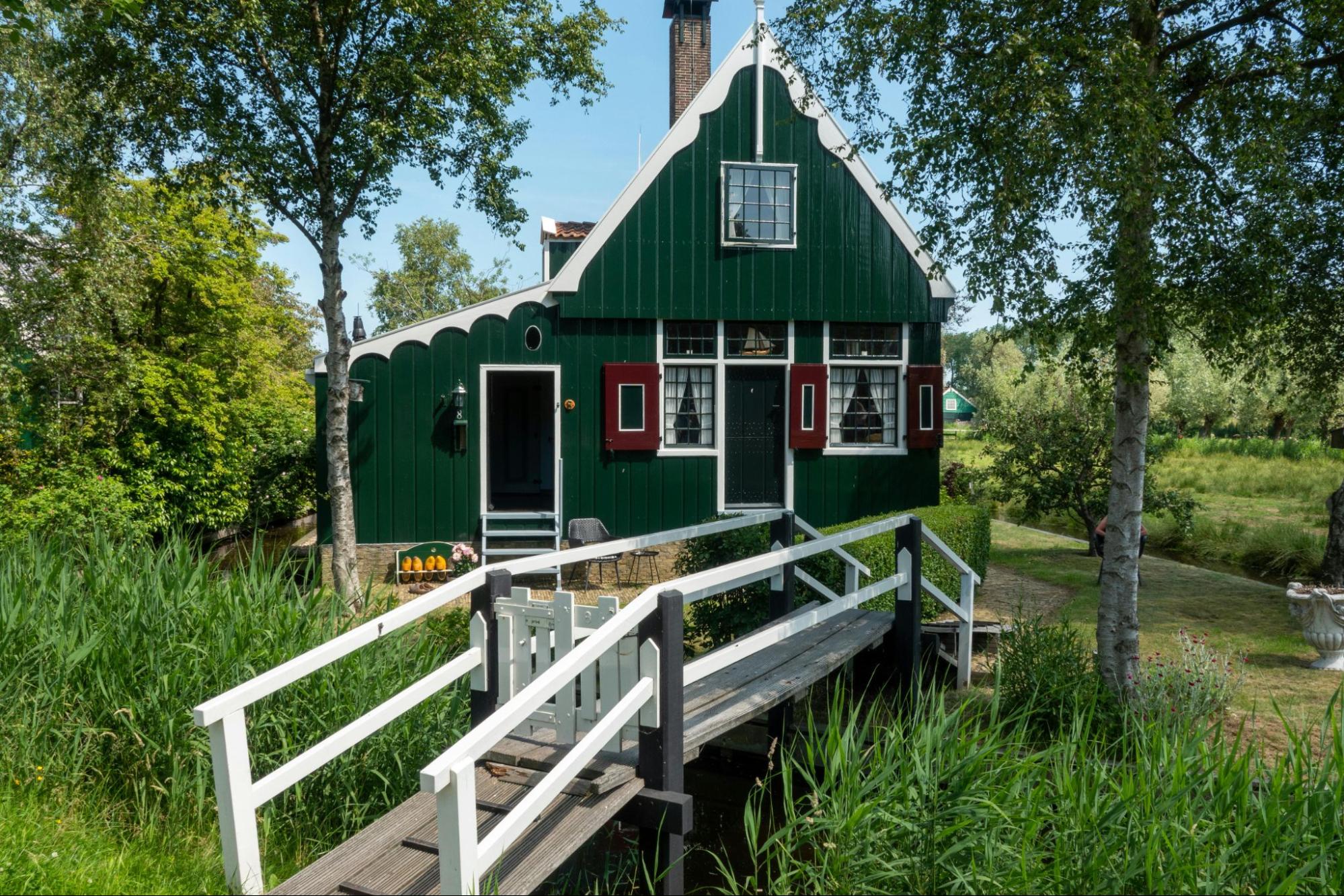
Zaandam has changed significantly over the past decade, evolving from an industrial satellite city into a place that feels contemporary, creative, and intentionally designed. Its modern character does not come only from new buildings, but from how architecture, daily life, and accessibility work together in a balanced way. For many residents, Zaandam offers an urban lifestyle without the intensity and pressure of Amsterdam.
Understanding Zaandam’s modern atmosphere means looking at how the city looks today, how people move through it, and how it supports everyday routines rather than just visual appeal.
Architecture clearly signals a modern identity
One of the first impressions Zaandam makes is purely visual. Contemporary architecture stands out, particularly around the station and along the riverfront, reshaping the skyline with bold designs.
New apartment complexes and mixed-use buildings feel confident rather than cautious. This playful yet practical approach gives the city an immediate and clear modern identity.
The station area acts as a modern gateway
Zaandam’s station area plays a major role in shaping the city's character. It is highly organized and designed for constant movement, acting as a vibrant hub for the entire community.
Modern housing, offices, and shops are clustered together to keep the area lively throughout the day. Here, transport and urban living blend naturally into a seamless experience.
New housing reflects contemporary lifestyles
Much of the newer housing stock is designed specifically around how people live today. Open-plan layouts and energy-efficient systems support modern work-from-home routines and flexible living.
This focus on functionality reinforces the city’s modern feel well beyond surface aesthetics. Modernity shows itself in daily comfort rather than just architectural design language.
Industrial heritage is reused rather than erased
Zaandam has not abandoned its industrial past to appear modern. Former factories and warehouses have been thoughtfully adapted into unique housing, offices, and cultural spaces.
This reuse creates a beautiful contrast, allowing old structures to coexist with new developments. The result feels layered and grounded rather than generic or detached from history.
Public spaces feel intentionally designed
Public spaces in Zaandam feel planned rather than accidental. Wide walkways, open squares, and waterfront paths invite people to linger and move at a very comfortable pace.
These spaces are designed for everyday use, giving them a contemporary and human-scale quality. The design subtly shapes positive behavior without ever feeling forced or restrictive.
Proximity to Amsterdam raises standards
Zaandam’s closeness to Amsterdam naturally influences local expectations for design and amenities. This proximity encourages higher standards in urban development and infrastructure planning.
At the same time, Zaandam successfully avoids the intense congestion and pressure of the capital. This balance allows the city to feel modern without becoming overwhelming.
Cafés and local spots match the atmosphere
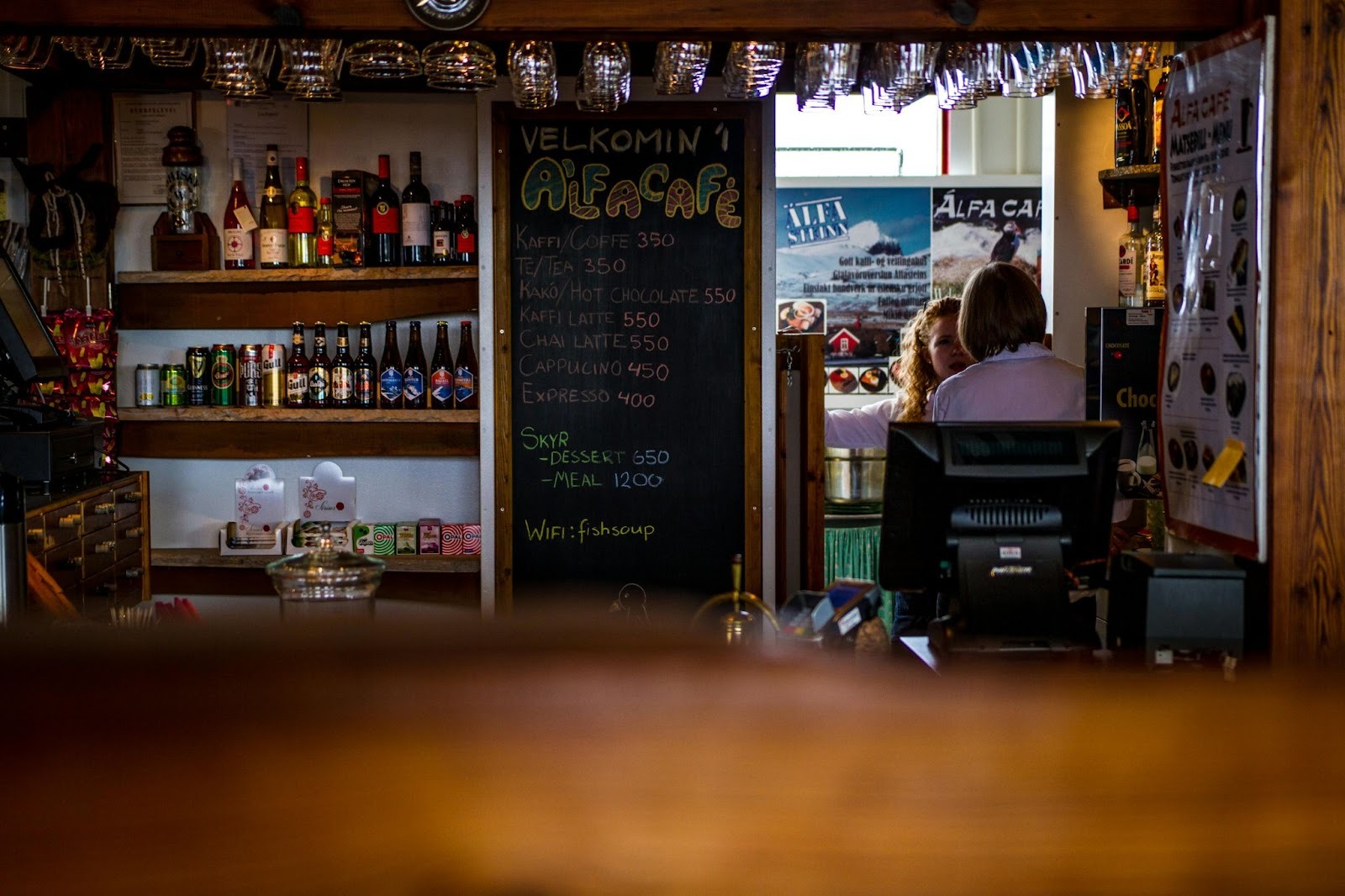
The local café and food scene have evolved alongside housing development. Modern cafés and work-friendly environments support a lifestyle where social life and productivity naturally overlap.
While the scene is not large, it perfectly fits the city’s contemporary character. These spots reinforce how people use space day to day for both leisure and professional tasks.
A mixed and younger population drives change
Zaandam attracts a varied group of residents, including young professionals, creatives, and families. This diverse mix keeps the city socially dynamic and consistently open to new changes.
Modern places here tend to feel active and adaptable rather than rigid. This social diversity supports a feeling of constant evolution and modern energy throughout the city.
Sustainability is part of the modern image
Many newer developments emphasize sustainability through energy-efficient construction and green roofs. Improved cycling infrastructure also plays a major role in the city's modern identity.
These features are practical, lowering long-term costs and significantly improving daily comfort. In Zaandam, modern living inherently includes a sense of environmental responsibility.
Waterfront development strengthens urban appeal
Development along the river has become a defining feature of the local landscape. New housing and walking routes along the water add openness and visual calm while maintaining an urban feel.
This combination helps Zaandam present itself as a modern river city. It feels like a destination in its own right rather than just a commuter extension of Amsterdam.
The pace feels modern without being rushed
Zaandam feels efficient but not stressed, offering a balanced lifestyle for its residents. Infrastructure works smoothly, yet the tempo of daily life does not feel hurried or overwhelming.
This balance attracts people who want modern systems without the constant pressure of a metropolis. Calm modernity has become a core part of the city’s unique appeal.
Variation exists beneath the surface
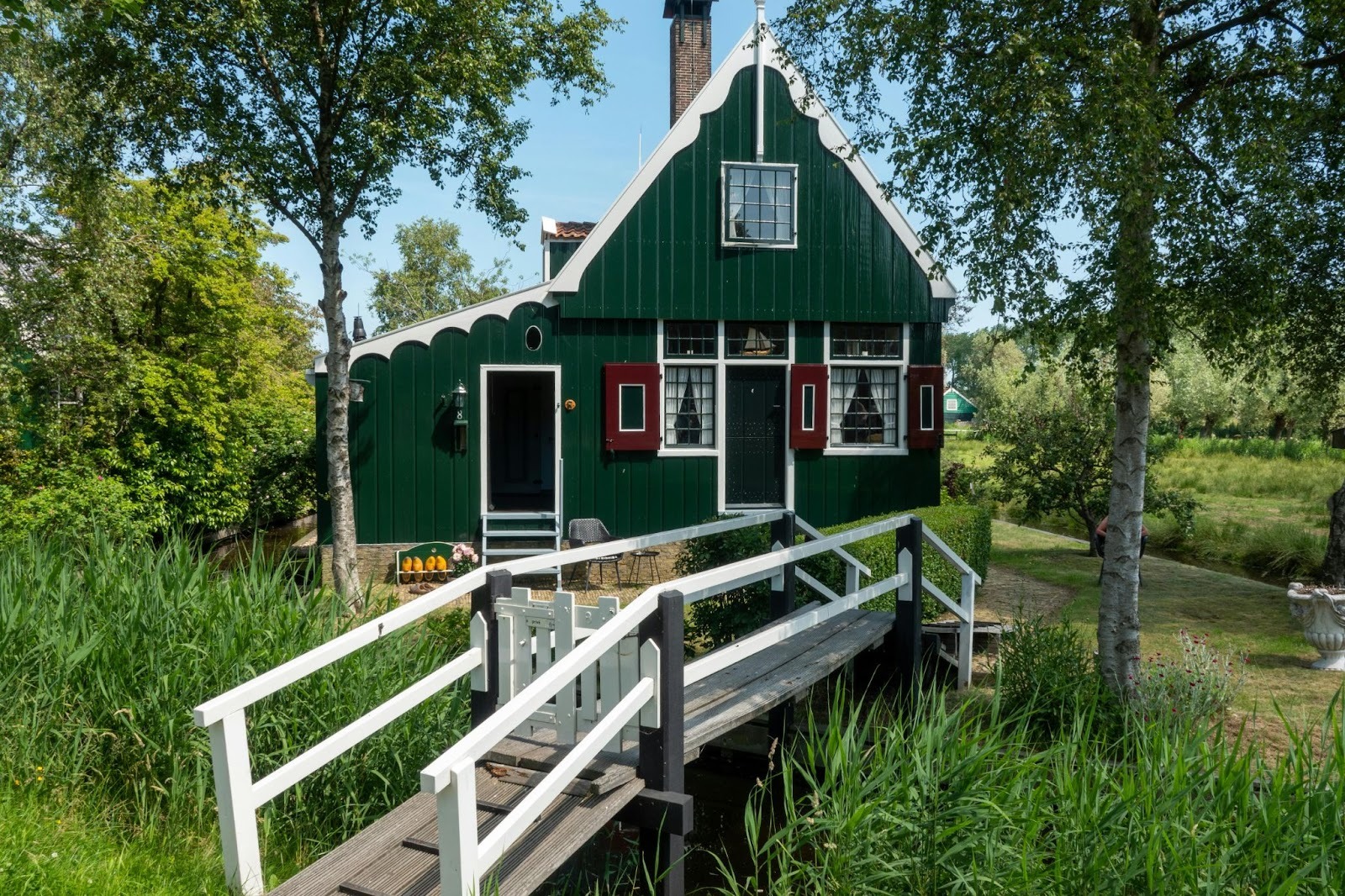
Not every part of Zaandam feels equally modern, and the contrast between neighborhoods is noticeable. For many residents, this variation provides a sense of choice rather than confusion.
Modernity here is selective rather than uniform, allowing traditional areas to coexist with new builds. This architectural diversity ensures the city remains multifaceted and interesting.
Intention Over Imitation
Zaandam’s modern vibe comes from genuine intention rather than imitation of larger neighbors. Contemporary architecture and functional housing combine to create a city that feels current without trying too hard.
It does not compete with Amsterdam’s intensity, offering instead a practical and accessible urban lifestyle. For those drawn to evolving cities, Zaandam’s character proves itself through everyday life.