February 7, 2026
What are the long-term costs of home ownership?
30/7/2025
February 20, 2026
February 20, 2026

Buying a home often feels like crossing a finish line, especially after years of renting and navigating a competitive housing market. Once the keys are in your hand and the mortgage is set up, there is a natural sense that the biggest financial uncertainty is over. What tends to fade into the background at that moment is the reality that ownership introduces a different set of long-term costs, many of which unfold slowly and only become visible once you have lived in the home for several years.
Mortgage payments are only the starting point
Monthly mortgage payments are the most obvious cost of ownership, but they are only one part of the financial picture. Even when interest rates are stable and repayments feel manageable, they do not reflect the full cost of keeping the home functional and compliant. Homeowners often compare mortgage payments to rent and conclude that ownership is cheaper, without accounting for the additional expenses that do not exist in rental situations or are absorbed by the landlord.
Homes require ongoing maintenance whether or not something is visibly wrong. Small repairs, routine servicing, and preventive work add up over time. Roofs, heating systems, ventilation, and exterior elements all have lifespans that do not align neatly with monthly budgets. These costs rarely appear as emergencies at first, but they accumulate quietly year after year, turning ownership into a long-term commitment to upkeep rather than a one-time purchase.
Major replacements arrive slowly but predictably
Some of the most expensive ownership costs are tied to components that eventually need full replacement. Kitchens, bathrooms, windows, and heating systems age regardless of how carefully they are used. Because these expenses occur years after purchase, they are easy to ignore at first. When they do arrive, they tend to cluster, creating periods where ownership feels financially heavy even if monthly mortgage payments remain unchanged.

Service charges apply even in privately owned homes
In apartment buildings, ownership often comes with monthly service charges paid to a homeowners’ association. These charges cover shared maintenance, insurance, and reserves for future repairs. While they may seem modest at first, they can increase over time as buildings age or as major works are planned. Because these costs sit alongside the mortgage, they challenge the idea that ownership always means lower monthly expenses than renting.
Homeownership comes with ongoing tax obligations that do not disappear after purchase. These taxes are linked to property value and local policies rather than personal income or usage. Over time, rising property values can push these costs higher, even if the home itself has not changed. Because these taxes are often billed annually, they can feel less predictable than monthly expenses, yet they are a permanent part of ownership.
Insurance costs evolve with the home
Insurance is not a static cost. As property values rise and replacement costs increase, premiums adjust accordingly. Changes in risk profiles, such as climate-related considerations or updated building standards, also influence long-term insurance expenses. These increases are usually incremental, which makes them easy to accept individually but noticeable when viewed over a longer period.
Older homes or poorly insulated properties tend to carry higher energy costs over time. While improvements can reduce these expenses, they require upfront investment. Decisions made at purchase, such as accepting outdated systems or deferred upgrades, shape long-term running costs. Over the years, energy inefficiency becomes a recurring financial drain that owners feel more acutely as prices fluctuate.
Market changes influence refinancing and mobility
Ownership ties your financial situation to broader market conditions. Interest rate changes affect refinancing opportunities and long-term costs, even if monthly payments are fixed for a period. When rates rise, flexibility decreases, making it harder to move or adjust without absorbing additional expense. This connection to the financial market adds a layer of long-term uncertainty that renters do not experience in the same way.
Owning a home requires time as well as money. Managing repairs, coordinating contractors, handling administration, and making decisions about improvements all demand attention. Over the long term, this time investment becomes part of the cost of ownership. While it does not appear on a bill, it influences quality of life and often competes with work or personal time.
Inflation reshapes costs gradually
Many ownership costs rise with inflation, including maintenance, services, and professional fees. Because these increases are gradual, they rarely trigger immediate concern. Over decades, however, they reshape the financial profile of ownership. What felt affordable in the first years may feel heavier later, even if income has increased.
No matter how carefully a home is inspected, unexpected issues arise. Structural problems, moisture damage, or outdated systems can surface long after purchase. These costs are difficult to predict and rarely align with convenient timing. They test not just financial planning, but emotional resilience, especially when they coincide with other life changes.
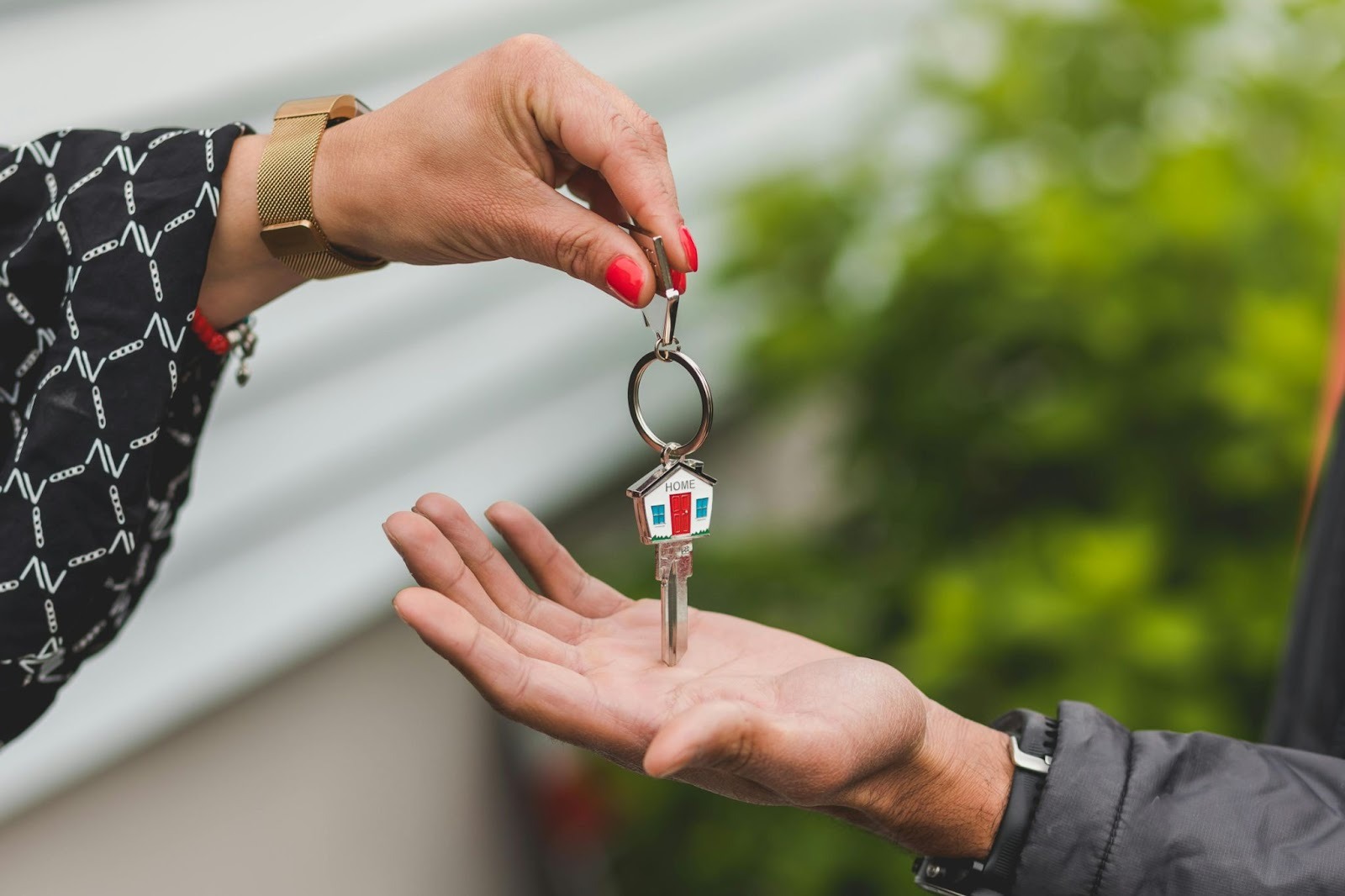
Ownership costs accumulate rather than replace rent
One common misconception is that ownership replaces rent with a mortgage and little else. In reality, ownership adds new costs to housing expenses rather than removing them entirely. While rent disappears, it is replaced by a complex mix of financial responsibilities that evolve over time.
This layering effect explains why ownership can feel more expensive than expected, even when it was carefully planned.
Long-term costs change how ownership feels
Over time, the accumulation of maintenance, taxes, service charges, and upgrades reshapes how ownership feels emotionally. What began as security can feel like obligation, especially during periods of heavy spending. This does not negate the benefits of ownership, but it does add nuance to the idea that buying is always financially simpler or cheaper than renting.
Understanding long-term ownership costs does not mean viewing homeownership pessimistically. It means seeing it as an ongoing commitment rather than a fixed achievement. The costs are not hidden tricks, but structural features of owning a physical asset over time. When this perspective is clear, ownership decisions feel less idealized and more grounded in reality, often leading to a calmer, more sustainable relationship with the home itself.