February 7, 2026
What insurance covers tenants properly
15/6/2025
February 20, 2026
February 20, 2026
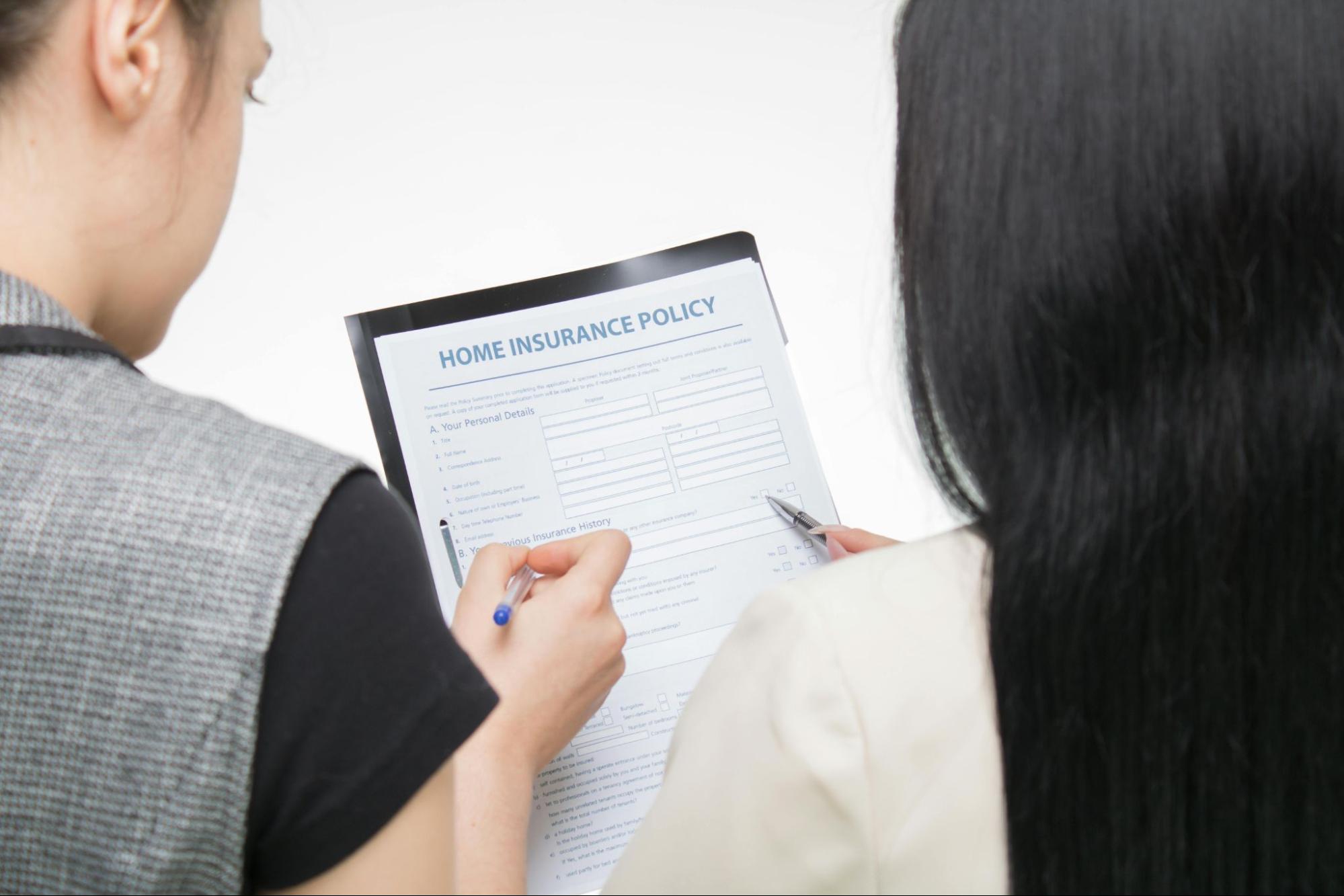
If you are renting in the Netherlands, insurance often feels secondary to securing a home. After viewings, contracts, and deposits, many tenants either skip insurance or assume the landlord's coverage protects them as well. Problems usually appear only when something goes wrong, such as a leak, fire, or accidental damage. That is often when renters discover the gaps, and by then it is too late. Understanding what insurance actually covers tenants properly is not about buying more policies. It is about knowing where responsibility sits once you receive the keys.
Structural coverage limits
A common misunderstanding is assuming that the landlord insurance covers everything inside the rental property. In reality landlord policies usually cover only the building structure itself such as the walls and the roof.
Personal belongings and damage caused specifically by the tenant are not included in these professional policies. If a pipe bursts the structure may be covered but damage to your furniture or electronics is typically your responsibility.
Contents insurance foundation
For tenants contents insurance is the most essential coverage because it protects your personal belongings against fire or theft. Even in a modest apartment the combined value of furniture and clothing adds up much more quickly than most people expect.
Many tenants only realize the true value of their items after considering the total cost of replacing everything at once. This coverage ensures that a localized disaster does not lead to a total financial loss for your household.
Liability insurance value
Liability insurance is often underestimated by renters but it protects you if you accidentally cause damage to others. Common examples include flooding the apartment below your own or damaging shared hallways during a move.
In the Netherlands landlords commonly expect tenants to maintain liability insurance even when it is not a strict contract requirement. Liability claims can become expensive very quickly which makes this specific coverage a critical safety net in practice.
Daily accident responsibility
Tenants often assume that minor accidents are simply part of the normal renting experience and will be forgiven. Spilling liquids on permanent flooring or causing smoke damage from cooking may not be covered by any existing building policy.
Without your own coverage you can be held personally and financially responsible for repairs that cost far more than anticipated. Normal daily life still carries financial consequences that can disrupt your budget if you are unprotected.

Insurance influences deposit disputes quietly
Insurance often plays a silent role when deposits are involved. If damage occurs near the end of a tenancy and insurance is missing, landlords are more likely to deduct costs directly from your deposit to avoid out-of-pocket losses.
With proper liability insurance (aansprakelijkheidsverzekering) in place, claims can be handled professionally through the insurer. This separation prevents minor accidental damages from turning into personal conflicts or financial tug-of-wars during the move-out process.
Furnished rentals increase insurance importance
Renting a furnished apartment in 2026 increases your level of daily responsibility. Since the landlord provides the furniture, appliances, and often the flooring, you are liable for any damage to these items beyond normal wear and tear. Without contents insurance (inboedelverzekering), even a simple coffee spill on a designer sofa or a dropped iron on laminate flooring can lead to significant charges. In a furnished setting, convenience shifts the responsibility of care directly to you, but it does not remove the financial risk.
The perception that insurance is an unnecessary expense often fades when the first claim arises. In 2026, basic liability insurance in the Netherlands remains affordable, often costing between €3 and €8 per month. When you compare this small monthly premium to the thousands of euros a single water leak or a broken window can cost, the value becomes clear. Insurance only feels expensive until the moment it is missing and you are faced with a direct invoice.
Insurance expectations are becoming more common
While not always a legal requirement, 2026 landlords increasingly expect tenants to have active insurance. This expectation is often rooted in the "Good Landlordship Act" standards, where a responsible tenant is one who can fulfill their financial obligations.
Being able to show proof of insurance can improve your standing during the application process. It signals to a landlord that you are prepared for risks and that any accidents will be settled through professional channels rather than through a depleted security deposit.

Psychological security value
Proper insurance changes how renting feels by shifting your perspective from fear to preparedness. Knowing that minor accidents will not automatically become financial crises reduces daily anxiety especially in older buildings with unpredictable plumbing.
This sense of security often matters more than the specific terms of the policy itself. It creates a psychological buffer that allows you to enjoy your home without the constant underlying worry of a sudden and life altering expense.
Why tenants delay getting insurance
Insurance feels abstract until it is needed. After securing a rental, tenants are often exhausted and eager to move on, which makes it easy to postpone insurance. Unfortunately, risk exists from the first day, not after settling in. Timing matters more than intention. Proper insurance for tenants in the Netherlands usually comes down to two essentials: contents insurance for personal belongings and liability insurance for damage a tenant might cause.
Together, they cover the most common risks renters actually face, from accidents to disputes and unexpected repairs. Insurance does not prevent problems, but it prevents those problems from becoming financially overwhelming. Once insurance is seen as part of responsible renting rather than an optional extra, it stops feeling like another cost and becomes protection you hope to never need but are glad to have.