February 8, 2026
What if you lose the keys on the moving day?
21/11/2023
February 8, 2026
February 8, 2026

Moving day is a whirlwind of activity, boxes and logistical puzzles. Amid the chaos of lugging movers and strategically placed furniture, there is one small object that can bring the entire operation to a standstill: the key. Losing the keys to the old home or, even worse, the new home on the day of the move is one of the biggest nightmares for any mover in 2026. Despite the rise of smart locks and digital access systems, the majority of Dutch households still rely on physical keys. Losing them not only causes delays, but also involves considerable stress and unforeseen costs.
It is essential to keep a cool head in such a crisis situation. In this article, we'll analyze the steps to take when the keys are missing, how to mitigate the damage, and what technological solutions will be available in 2026 to solve this scenario.
Immediate action: Systematic search and communication
The first reaction when discovering the loss is often panic, but in 2026, the best approach is a methodical one. Before you hire a locksmith, it is crucial to check the most likely spots. Often, the keys are in the last worn jacket, in the partner's pocket, or accidentally ended up in an already sealed box.
- Check out the “moving hub”: Keys are often placed in a central location that gets buried under wrapping paper or coffee cups during the day.
- Communicate with the movers: Ask the team if they saw or moved the keys to make room for a large piece of furniture.
- Check out the vehicles: Look between the seats of the car or the moving van; keys often fall out of the pocket here due to the frequent entry and exit.
If the search fails after fifteen minutes, it is time to switch to the emergency plan. In 2026, every minute counts, especially when the moving truck is in front of a closed door while the moving team's hours are ticking by.
Contact with the broker or landlord
In the case of the new home, the agent or landlord is often the first person you should call. In 2026, many brokerage firms keep a spare key in a secure vault until the transfer is officially completed. Although legal ownership has often already been transferred to the notary, a call to the broker can save you from an expensive locksmith.
In the case of a rental property, the manager or the housing association usually has a runner or a spare set. Keep in mind that in 2026, this often involves costs for courier service or administrative processing. It is important to be honest about the loss immediately; hiding lost keys during delivery may result in the deposit being withheld, because the landlord must replace the cylinders for security reasons.
The role of the locksmith in 2026
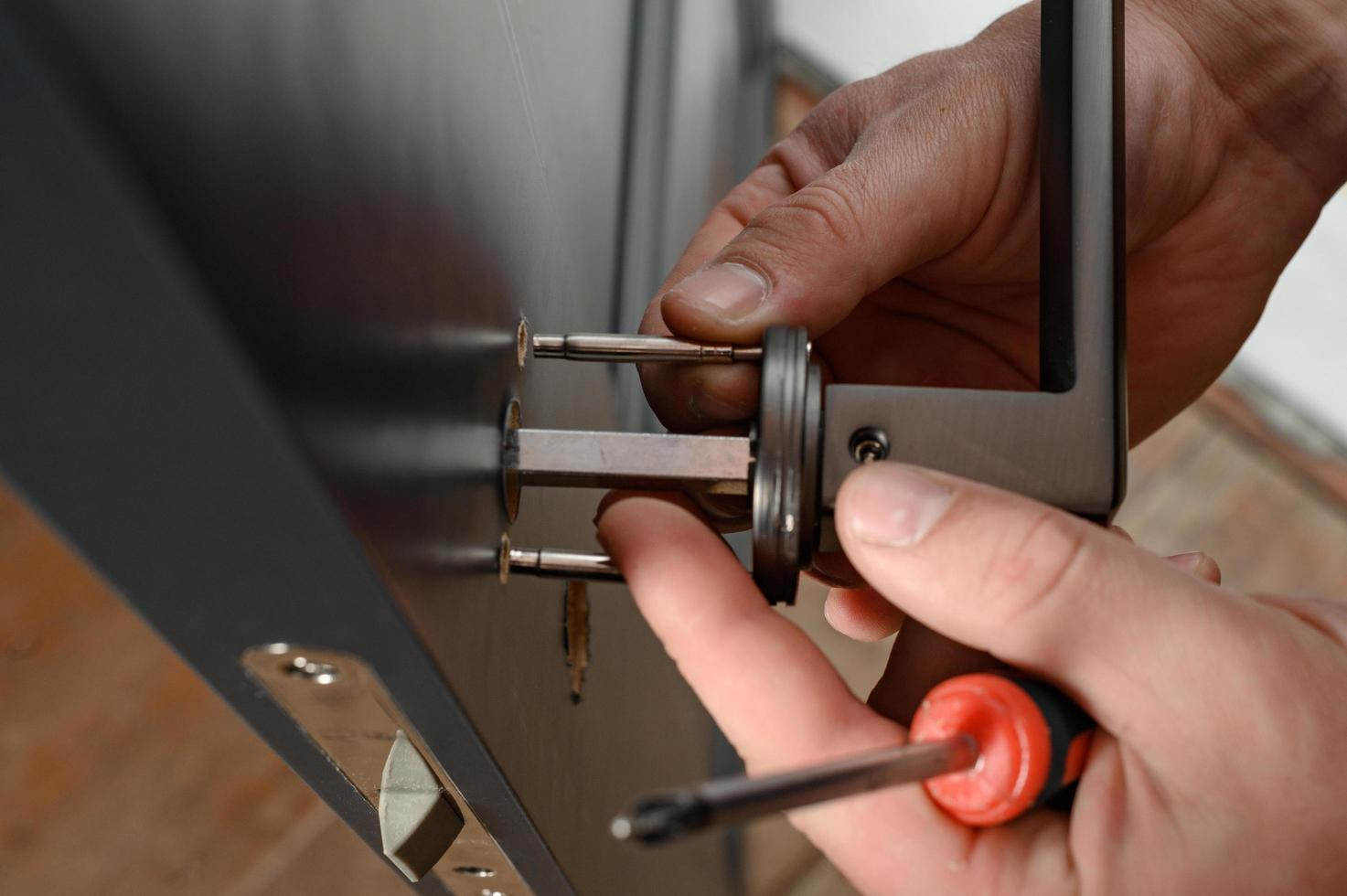
If there are no spare keys available, a professional locksmith is the only way out. In 2026, certified locksmiths will be equipped with advanced equipment to open doors without damage. However, watch out for rogue companies that appear at the top of the search results; in 2026, only use authorized locksmiths with a PKVW (Police Label for Safe Living).
A locksmith can replace the cylinders on site. In any case, this is the most secure option in case of lost keys, as you don't know whose hands the old keys fell into. In 2026, an emergency service on a moving day costs an average of between €150 and €350, depending on the time and type of lock (e.g. multi-point locks). This is a bitter pill, but necessary for the move to take place and to guarantee the safety of your new home.
Insurance and cost coverage
One bright spot when losing keys on the moving day is insurance. In 2026, many household or liability insurances cover the loss of keys and the costs of replacing locks.
Check the policy terms and conditions of your current insurance. The moving day often falls under a special transitional arrangement where both addresses are temporarily insured. If the keys are stolen (e.g. from an outstanding moving van), a police report is required to claim compensation. Keep all the locksmith's invoices and the communication costs incurred carefully; in 2026, the claim process with insurers will often be digital and lightning fast via photo evidence.
The transition to digital access
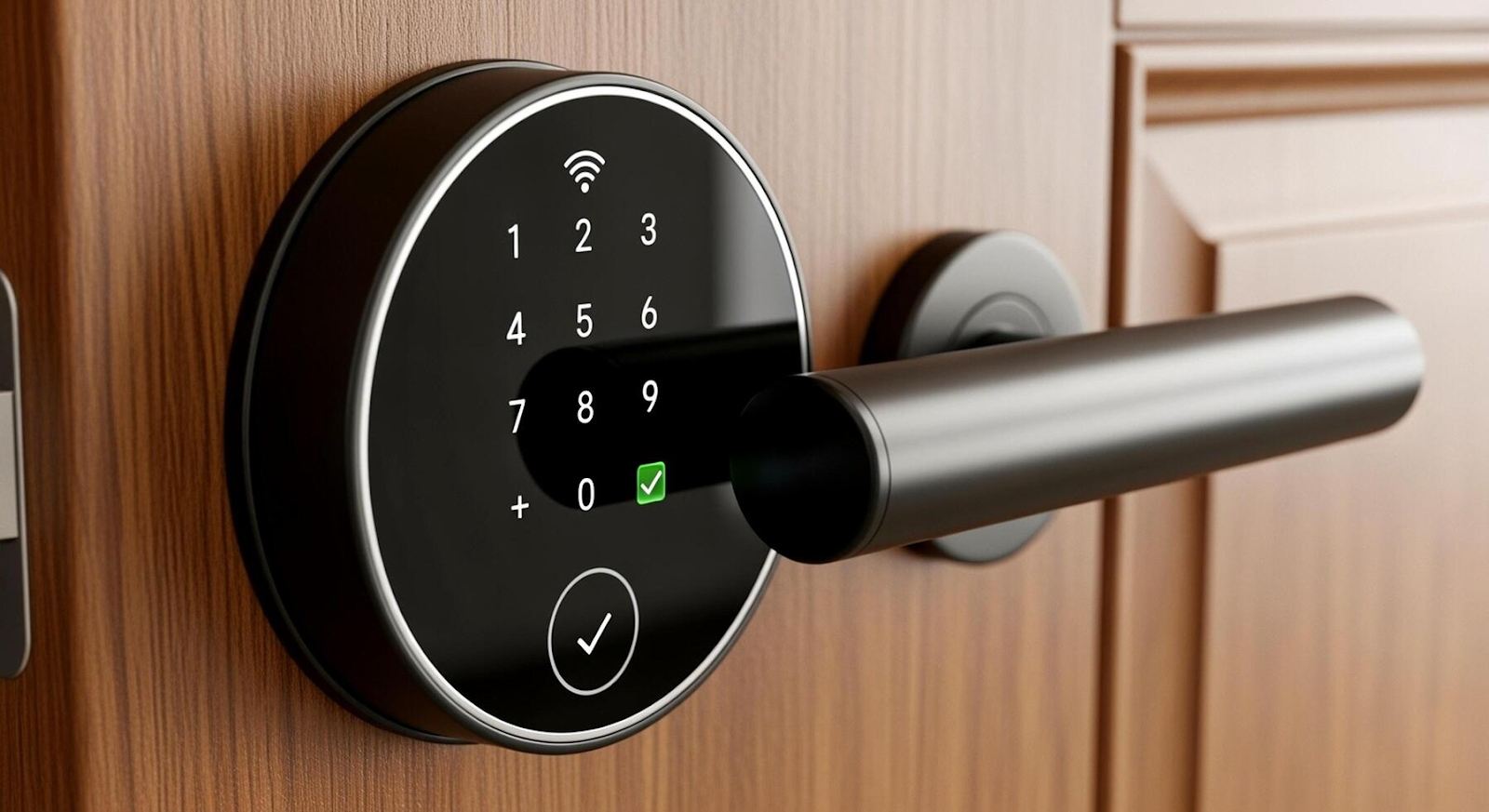
In 2026, the incident with the lost keys is often the reason for homeowners to switch to smart locks (smart locks). If you do need to replace the cylinders on the moving day, consider investing directly in a system that works with a smartphone, fingerprint or PIN.
Smart locks make physical keys unnecessary for main access. In 2026, you can even create temporary digital “keys” for the movers, which expire automatically after the moving day. The big advantage is that you will never be in front of a closed door again because of a lost piece of metal. The investment in a smart lock pays for itself by eliminating the need for expensive emergency locks and the extra security it offers by monitoring who comes in and when.
Prevention for the rest of the day
If you find the keys on time or have the locks replaced, immediately enter a prevention plan for the remaining hours of the moving day. The moving day is not over yet and the risk of recurrence is high due to fatigue.
- The “Key master”: Designate one person responsible for the keys. This person wears them physically on the body (e.g. on a lanyard) and never places them on loose surfaces.
- Make copies immediately: If the locksmith installs new keys, have extra sets made immediately and give one to a family member or close friend who does not help with lifting and is therefore not at the moving location.
- Digital backup: In 2026, there will be services that can make a 3D scan of your key. Should you lose the physical key, a new one can be milled based on the scan without having to replace the lock.
Losing keys on moving day is a stressful hurdle, but with the right contacts and a proactive attitude towards security, it doesn't have to ruin the start of your new chapter.