February 7, 2026
What historic charm defines Delft’s quarters?
20/3/2025
February 20, 2026
February 20, 2026
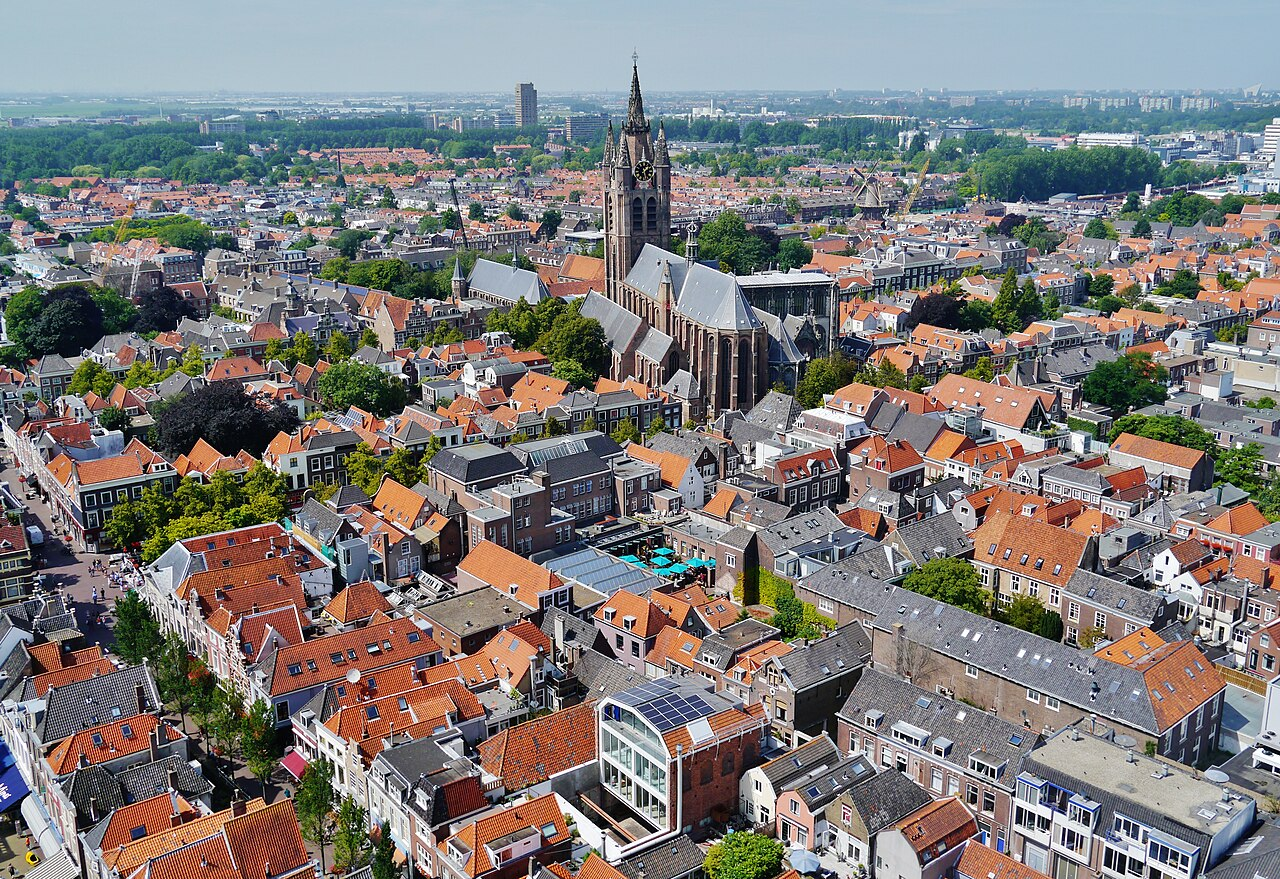
Delft is often described as picturesque, but its historic charm is not concentrated in a single postcard-perfect street or square. Instead, it unfolds gradually across different quarters, each shaped by centuries of daily life rather than modern attempts to preserve beauty. For residents and visitors alike, Delft’s charm is something noticed over time through routines and details rather than in a single dramatic moment.
Understanding the historic charm of Delft’s quarters means looking beyond landmarks and focusing on how history continues to shape how people live, move, and experience the city today.
The historic center feels lived in rather than staged
Delft’s central quarters are undeniably historic, but what sets them apart is their continued functionality. Canals and narrow streets are not frozen in time for tourism; they remain part of everyday movement for residents cycling to the university or the local grocer. This continuity between past and present gives the center a warmth that feels authentic.
The charm comes from active use rather than static preservation. You will see 400-year-old façades housing modern tech startups and cozy craft shops, illustrating that the city’s identity is built on a "hybrid" model of living. This blend ensures that the center remains a vibrant residential heart rather than a transient zone for visitors.
Religious and civic buildings anchor entire quarters
The silhouette of Delft is still dominated by the Oude Kerk and the Nieuwe Kerk, which act as functional anchors for the surrounding neighborhoods. Rather than standing as isolated monuments, these structures continue to organize the social life of the city, serving as landmarks for meeting and landmarks for the famous weekly markets.
The architecture of these civic hubs influences the street layouts, ensuring that open spaces are preserved for communal use. Whether it is a wedding at the 13th-century City Hall or a Saturday morning market on the square, these historic giants ensure that social life remains concentrated in the heart of the community.

Housing layouts reflect pre-modern living patterns
Many Delft homes reveal their age through their distinct internal layouts, where rooms are often stacked vertically across three or four narrow floors. This vertical living means that staircases are steep and spaces feel segmented rather than open, requiring residents to adapt to a lifestyle of constant movement between levels.
While this verticality challenges modern expectations for sprawling living rooms, it also creates a sense of privacy and structure that newer buildings sometimes lack. Here, charm is inseparable from compromise, as residents often utilize high ceilings for creative storage solutions or custom-built lofts to maximize the limited footprint of these historic structures.
Craft and trade history remains visible in detail
Delft’s historic quarters still carry visible signs of their industrial past, particularly in the former warehouse districts where heavy wooden beams and wide cargo doors are still prominent features. Many merchant houses have been adapted over time into modern apartments, yet they retain irregular façades and original stonework that reflect their 17th-century origins.
These architectural details tell stories of a city once dominated by the Dutch East India Company and the famous Delftware potteries without needing formal explanation. History lives in the physical materials, where weathered brickwork and hand-forged iron fittings provide a tactile connection to the craftsmen who built the city centuries ago.
The quarters feel cohesive rather than monumental
Unlike cities defined by grand, sweeping avenues or singular landmarks, Delft’s charm is distributed evenly across its various districts. No single quarter overwhelms the others; instead, each small street and quiet bridge contributes to a coherent whole that feels approachable and human in scale.
Walking through Delft feels like moving through a continuous narrative where the transition from a bustling market square to a secluded residential alley is nearly seamless. This accumulation of charm happens gradually, as every corner reveals another layer of the city’s integrated social and architectural history.
Tourists pass through, residents remain
While tourism is a significant part of Delft’s economy, it does not dominate all quarters equally, leaving many historic areas as primarily residential zones. Residents experience the city’s history as a quiet backdrop to normal life, taking out the trash or cycling to the bakery, rather than as a performance for outsiders.
This continuity protects the city's authenticity, as the presence of "real" life prevents the center from becoming a sterile museum. By maintaining these lived-in neighborhoods, Delft ensures that its historic character remains a shared heritage that is preserved through daily use rather than just guided tours.
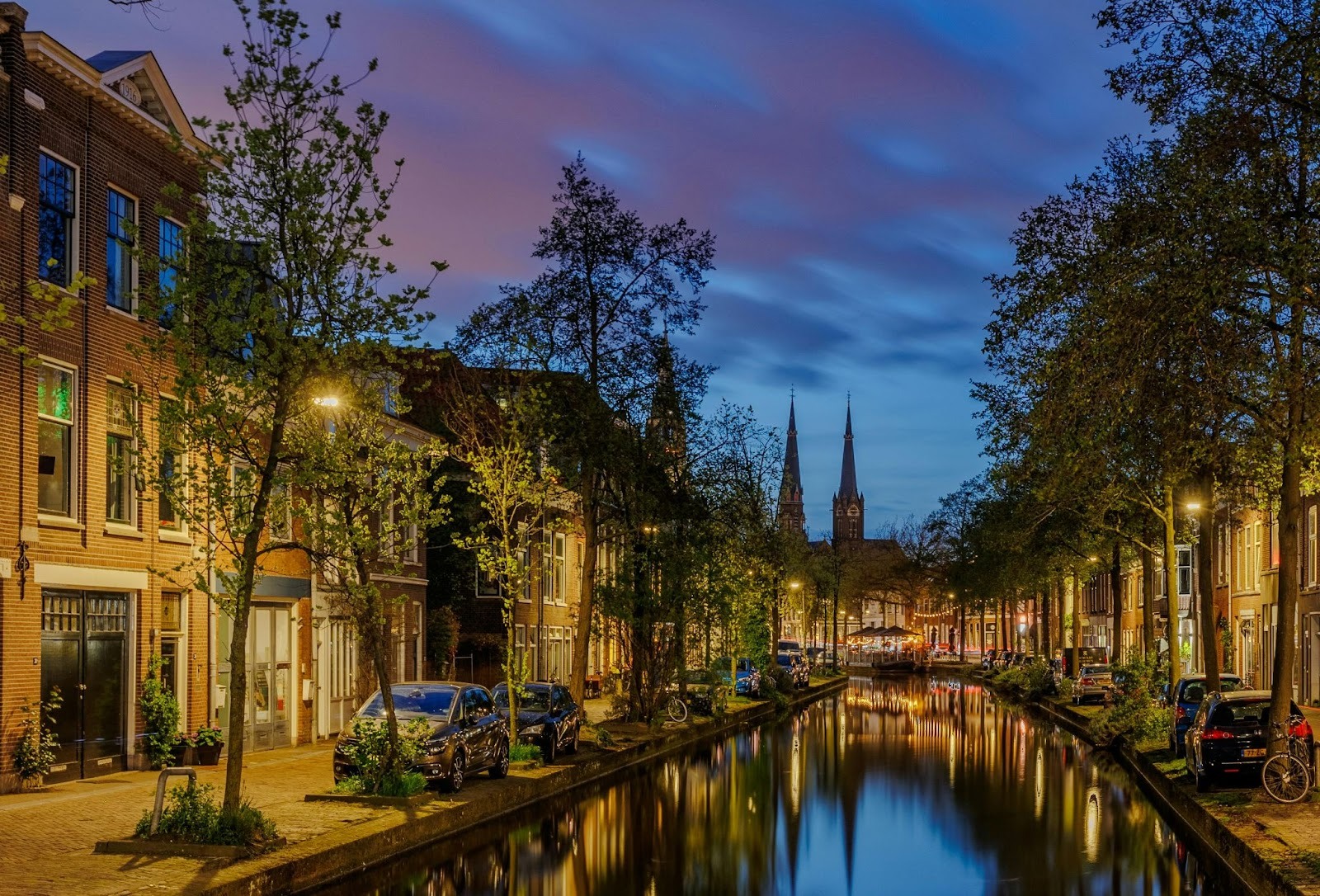
Light plays a key role in historic appeal
Light behaves differently in Delft’s older quarters due to the unique interaction between the sky and the water. Reflections from the wide canals bounce onto the undersides of bridges and the tall windows of leaning canal houses, creating shifting patterns of brilliance that dance across interior ceilings throughout the day.
These subtle changes add a sense of depth and movement to otherwise modest spaces, turning a simple room into a dynamic canvas of light and shadow. The atmosphere of these quarters is not built on complex artificial lighting but emerges from the natural simplicity of the Dutch sky reflected in the city’s historic waterways.
The charm deepens with familiarity
Delft’s historic appeal is not a fleeting first impression but a feeling that often grows over time through lived experience. What may initially feel like a quaint but inconvenient maze of narrow alleys gradually becomes a comforting network of familiar shortcuts, local bakeries, and quiet benches.
Residents eventually learn the specific rhythms of the city the precise time the bells of the Nieuwe Kerk chime or the way a particular bridge looks under a misty morning fog. This cumulative charm rewards patience, transforming the city from a picturesque backdrop for visitors into a deeply personal and dependable home.
Continuity Over Spectacle
The true historic charm of Delft’s quarters lies in their quiet continuity rather than in grand, modern spectacles. Centuries-old streets, canals, and merchant homes continue to host the ordinary business of life, creating an environment where the past feels constantly present without ever being overwhelming.
The city does not demand constant admiration or stand as a static monument to its Golden Age; instead, it simply allows its people to live, work, and age within its walls. For those who value an atmosphere shaped by centuries of use rather than fleeting trends, Delft’s quarters offer a form of charm that does not fade with familiarity it only deepens.