February 7, 2026
What do families find in Den Haag suburbs?
8/2/2025
February 20, 2026
February 20, 2026
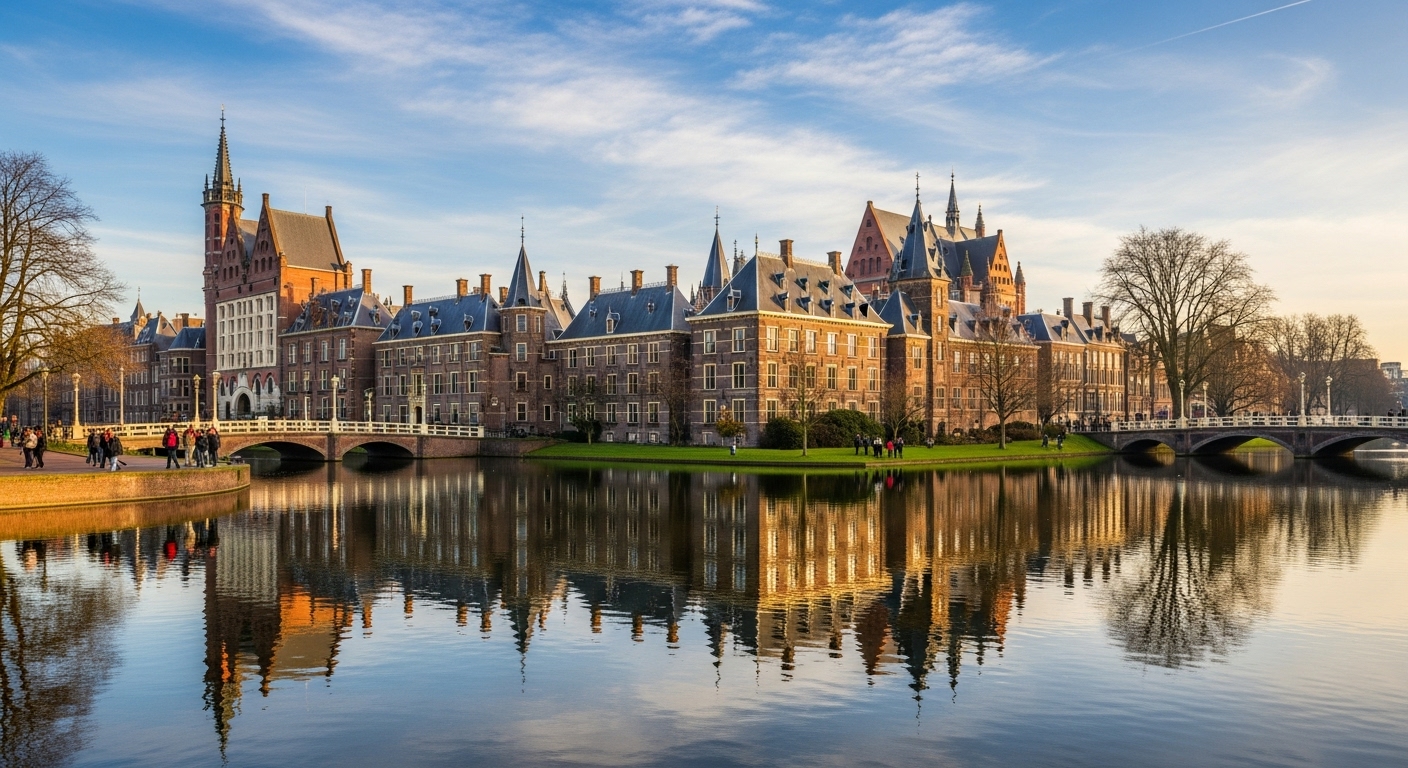
Den Haag is often associated with government buildings, embassies, and the beach, but for families, the suburbs around the city are where daily life really takes shape. These areas do not compete on spectacle. Instead, they quietly offer space, structure, and routines that make raising children feel manageable rather than constantly demanding. What families find in Den Haag’s suburbs isn’t a single advantage, but a combination of practical benefits that add up over time.
More space without leaving the city behind
Suburban Den Haag specializes in the "transitional" home properties that offer larger floor plans and private gardens while maintaining a direct tram or train link to the city center. In 2026, builders are increasingly incorporating flex spaces like "drop zones" and multipurpose rooms to accommodate the permanent shift toward hybrid work.
For many families, this extra room is the difference between a cramped daily routine and a home that can adapt as children grow. You aren't disconnecting from Den Haag; you are simply moving to a version of it that includes a garage, a pantry, and a safe place to store cargo bikes.
Neighborhoods designed around family routines
Den Haag’s suburbs are intentionally structured to simplify the "logistical load" of parenting. In newer districts, schools, childcare centers, and supermarkets are clustered in central hubs, allowing parents to complete most daily errands without a car.
Traffic patterns in these areas are often dictated by a "pedestrians-first" design, featuring restricted through-traffic and wide, dedicated cycling paths. This predictable environment supports children's independence, allowing them to cycle to sports clubs or friends' houses as they grow older, which significantly reduces the daily "taxiing" stress for parents.
A quieter environment supports better rest
One of the most immediate benefits families notice when moving further out is the drop in ambient noise. Suburban zoning focuses on residential tranquility, with significantly less late-night activity and through-traffic than central districts like the Zeeheldenkwartier.
This reduction in background noise supports more reliable sleep for both children and adults. In 2026, as urban density increases elsewhere, the value of a "quiet night" has become a tangible asset that residents cite as a major factor in their overall neighborhood satisfaction.

In 2026, the suburbs of Den Haag are more than just a housing alternative; they are a deliberate lifestyle choice for families seeking a stable, international, and nature-connected environment. As house prices in South Holland are projected to rise by roughly 4.8% to 5.5% this year, neighborhoods like Leidschenveen and Ypenburg offer a more predictable financial path than the volatile city center.
International and local families coexist naturally
Den Haag’s suburban character is shaped by its global role. International schools and bilingual childcare options are well-distributed across areas like Leidschenveen, where the British School in the Netherlands operates one of its largest campuses.
This presence creates a diverse but grounded environment where expat and local families live side by side. For many families, this mix ensures that children grow up with a global perspective while remaining firmly rooted in the Dutch traditions of neighborhood life, such as local sports clubs and community events.
Cycling and walking feel safer for children
Suburban layouts in Den Haag are designed around the "Metropolitan Cycle Routes" fast, wide, and safe paths that prioritize cyclists over cars. These routes, which are being further expanded throughout 2026, allow children to move between schools, sports facilities, and friends' houses with increasing independence.
This focus on mobility builds confidence in children and significantly reduces the logistical stress for parents. The safety of these routes is a structural feature of suburban life, where the pace of traffic is naturally slowed by residential design, making the outdoors a safe extension of the home.
Access to the city remains practical
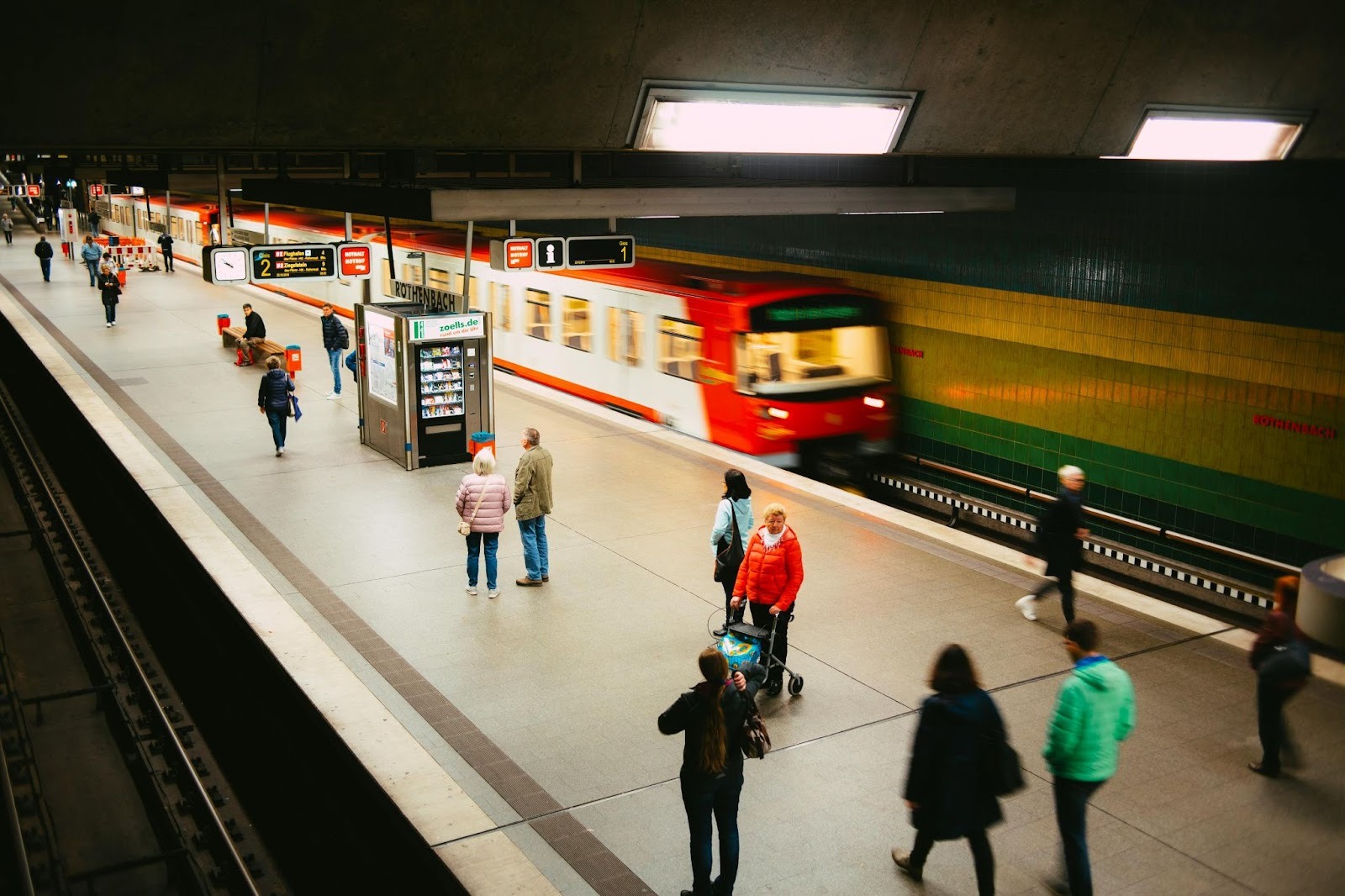
Living in a suburb like Mariahoeve or Leidschenveen doesn't mean isolation from the cultural heart of the city. Excellent tram and RandstadRail connections ensure that the Den Haag city center is reachable within 15 to 20 minutes, making it practical for work, dining, or museum visits.
Families can enjoy the space and quiet of a suburban garden while retaining easy access to the urban benefits of Den Haag. This "best of both worlds" scenario ensures that distance is never a barrier to enjoying the city’s international allure or its coastal amenities.
Family-oriented amenities are prioritized
Suburban planning in Den Haag prioritizes family-oriented amenities like the De Uithof recreational center or the various urban farms (stadsboerderijen) spread across the districts. These facilities support children’s development and provide structured activities that are easy to access.
Convenience is the primary driver here; when a sports club or a library is just a five-minute cycle away, participation becomes a natural part of the weekly routine. This infrastructure encourages an active lifestyle and ensures that families have diverse options for recreation right on their doorstep.
The pace of life feels sustainable
Families often describe suburban life as inherently calmer. The reduced density means that days feel less rushed and weekends lack the overwhelming crowds of the Grote Markt or the central shopping districts.
This slower pace helps reduce the "decision-making fatigue" that often accompanies city living from navigating transit delays to managing the sensory input of a busy street. In neighborhoods like Ypenburg or Leidschenveen, the environment itself encourages a lower heart rate, where the primary sounds are often local birds or distant bicycle bells rather than sirens and traffic.
Trade-offs still exist, especially for older children
As children reach their teenage years, families often encounter the natural limits of suburban design. Older children may begin to crave more radical independence, diverse cultural experiences, or a late-night social scene that the quiet residential streets simply do not provide.
At this stage, families in Den Haag frequently reassess their needs, often utilizing the city's excellent tram network to allow teenagers to bridge the gap between their quiet home base and the active center. It is rarely a matter of regret, but rather an evolution of what "space" and "freedom" mean at different stages of life.
Foundation over excitement
Families find Den Haag’s suburbs appealing because they support everyday life with a level of consistency that more central areas cannot match. The combination of larger homes, accessible schools, and tree-lined streets creates a manageable environment that absorbs the stresses of modern parenting.
The suburbs do not promise constant excitement; instead, they promise stability and a predictable routine. In a housing market where the average price for a terraced house in early 2026 sits around €510,000, these neighborhoods provide a reliable foundation that allows a family’s budget and daily energy to go further.