February 7, 2026
What are the green options in Almere?
20/2/2023
February 7, 2026
February 7, 2026

Almere has been a city that has been reinventing itself for decades, but in 2026, one thing became definitely clear: green is not a secondary color here, it is the foundation. Where other cities struggle with petrified inner cities and a lack of parks, Almere offers an abundance of green options that range from wild nature reserves to innovative, ecological residential areas.
Whether you are a resident looking for more sustainability in daily life, or a visitor who wants to discover the “green lungs” of the polder, the options in Almere will be more versatile than ever in 2026.
The national parks and nature reserves
Almere's crown jewels are the extensive nature reserves that surround and cross the city. In 2026, the connection between these areas was improved, so that biodiversity and recreational opportunities go hand in hand.
- Oostvaardersplassen: This world-famous wetland remains the number one attraction. In 2026, you can not only walk and cycle here, but also take advantage of ecokar excursions that take you deep into the area to spot konik horses, red deer, and sea eagles. The Oostvaarders nature experience center acts as the perfect base with a panoramic view.
- Spoonbill pee: For those seeking rest, this bird sanctuary on the edge of the Markermeer is a paradise. In 2026, the birdwatching huts still offer the best chance to see the rare spoonbill in action.
- Kromsloot Park: This wetland in the heart of the city is a green oasis where you can canoe through winding creeks, a unique way to completely forget the hustle and bustle of the city.
Ecological living: Oosterwold and nobelhorst
In 2026, Almere will be at the forefront of the transition to sustainable living. Those looking for green options on the housing market cannot ignore these two neighborhoods.
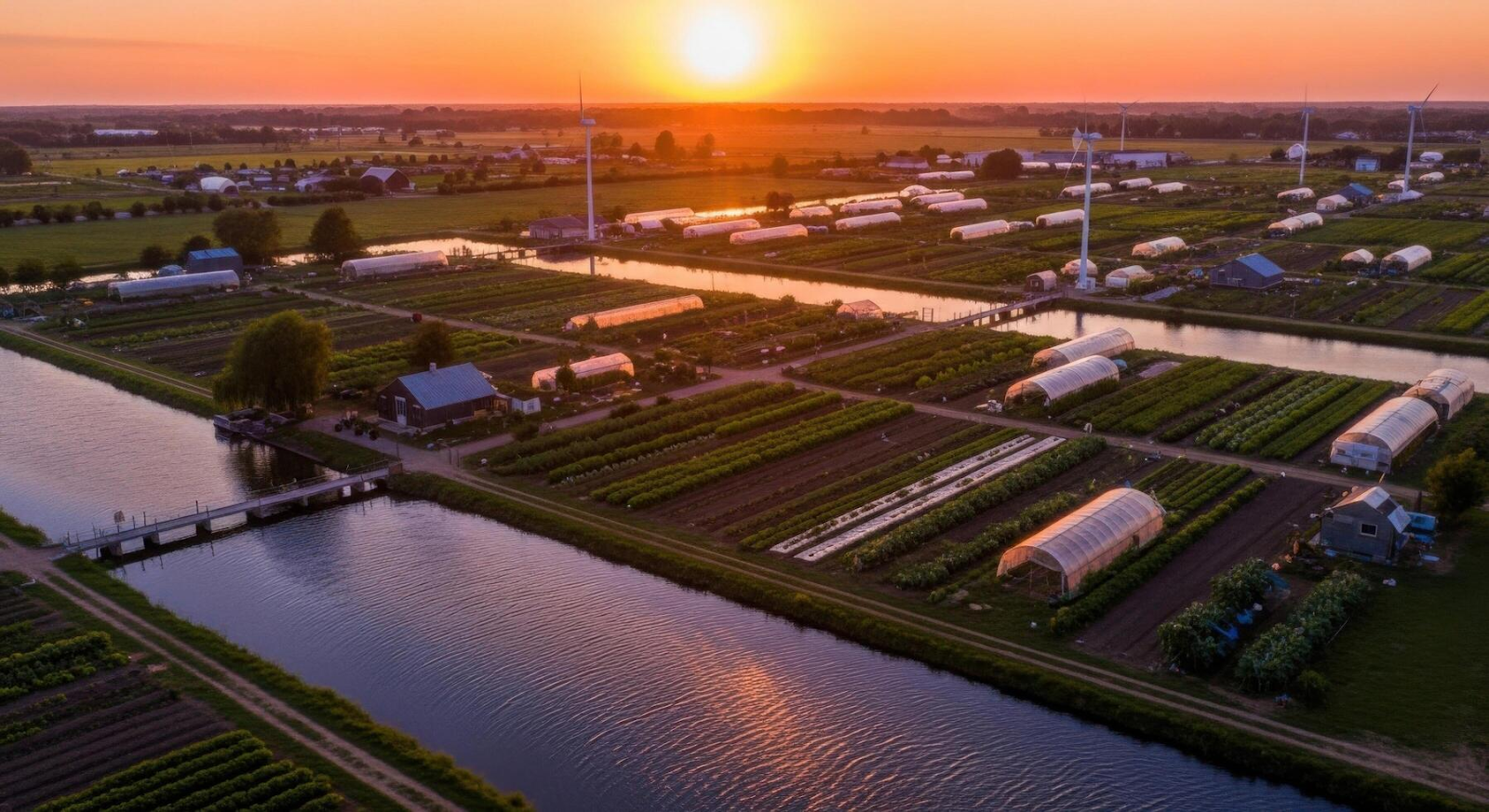
- Oosterwold: This is perhaps the most radical green experiment in the Netherlands. In Oosterwold, residents decide everything themselves, with one important condition: more than half of the plot must be reserved for urban agriculture. In 2026, countless organic bakeries (such as the redshank), picking gardens and ecological initiatives were created here. The result is a neighborhood that produces more food than it consumes.
- Nobelhorst: Known as the “village of Almere”, this neighborhood combines a friendly atmosphere with high-tech sustainability. In 2026, new construction projects such as De Marktdame and Groen Nobelhorst will use CO2-negative building materials and energy-neutral installations (energy label A++++). Here, families literally live between the trees and the water.
Innovative green hotspots
Almere uses technology to make green living easier and more fun. In 2026, various locations have grown into “hubs” of sustainable innovation.
- Utopia island: Located in the weather, this island will be a center for agroforestry and education in 2026. Here, visitors can learn about regenerative agriculture while they visit the “worm wash” or the compost theater.
- De Kemphaan City Estate: This is the green heart of Almere for families. In addition to the organic farmers market (every Saturday) and the shelter of the AAP Foundation, de Kemphaan offers extensive opportunities for nature camping and educational forest walks in 2026.
- The green cathedral: In 2026, this landscape artwork by marinus boezem, consisting of 178 Italian poplars in the shape of Reims Cathedral, is a place of reflection and proof of how art and nature merge in the polder.
Sustainable mobility and recreation
In Almere, being green also means moving green. The city fully adapted its infrastructure in 2026 to push cars into the background in favor of bicycles and electric transport.
- Electric boating: With almost 50% water surface, Almere is best explored from an electric boat. By 2026, there will be charging stations and rental locations for whisper boats all over the city, especially around the Noorderplassen and the center.
- Indoor mountain biking: The indoor mountain bike park in a glass greenhouse is unique in Europe. This offers a sporty and sustainable option to be active all year round, whatever the weather, with a course that is integrated with living greenery.
- Parking Policy 2026: The municipality recently (October 2025) decided to transform parking space in residential areas into green playgrounds and wadis for water collection. As a result, the streets will be noticeably cooler and greener in 2026.
Vegan and organic gastronomy
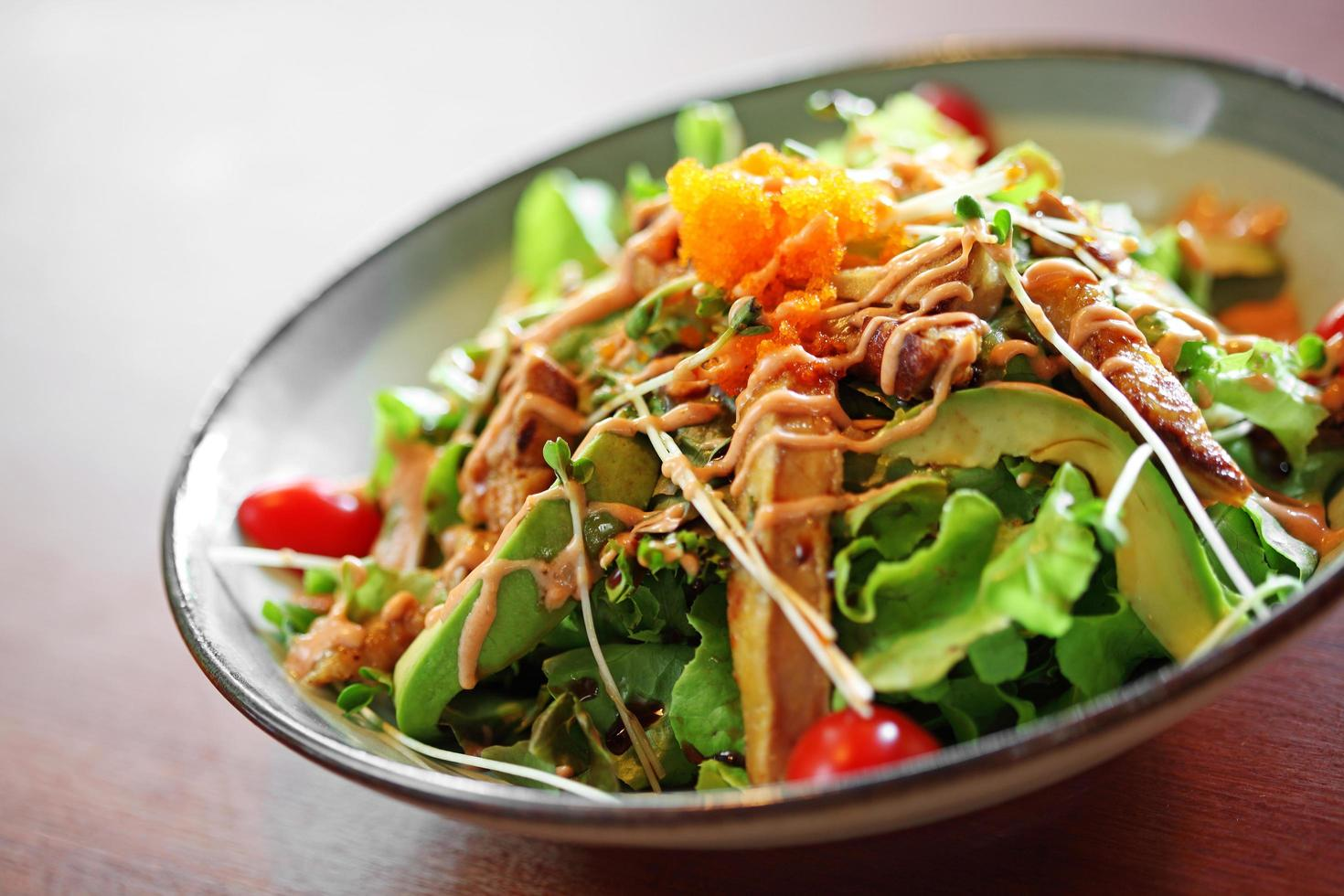
Almere's green revolution can also be found on the menu. In 2026, the city became an attraction for plant-based food lovers.
- Vegan hotspots: In the center, things like the black cockatoo and copper branch are here to stay. They prove that sustainable food and an urban lifestyle go hand in hand perfectly.
- Short Chain: Many restaurants in the city will get their ingredients directly from Oosterwold or from the farmers on the rump in 2026. This significantly reduces the carbon footprint of your meal and supports the local economy.
Why choose green in Almere?
In 2026, Almere will prove that a young city doesn't have to lack soul or nature. The green options here are not limited to a single park; they form an integral network that connects living, working and recreation. Whether you choose the wild nature of the Oostvaardersplassen or the innovative sustainability of nobelhorst, Almere offers a view of the city of the future.
Almere's strength lies in space: the space to build yourself, the space for nature to take its course, and the space for new ideas to flourish.