February 3, 2026
Renting in Amsterdam: The benefits versus sky-high costs
1/5/2022
February 5, 2026
February 5, 2026
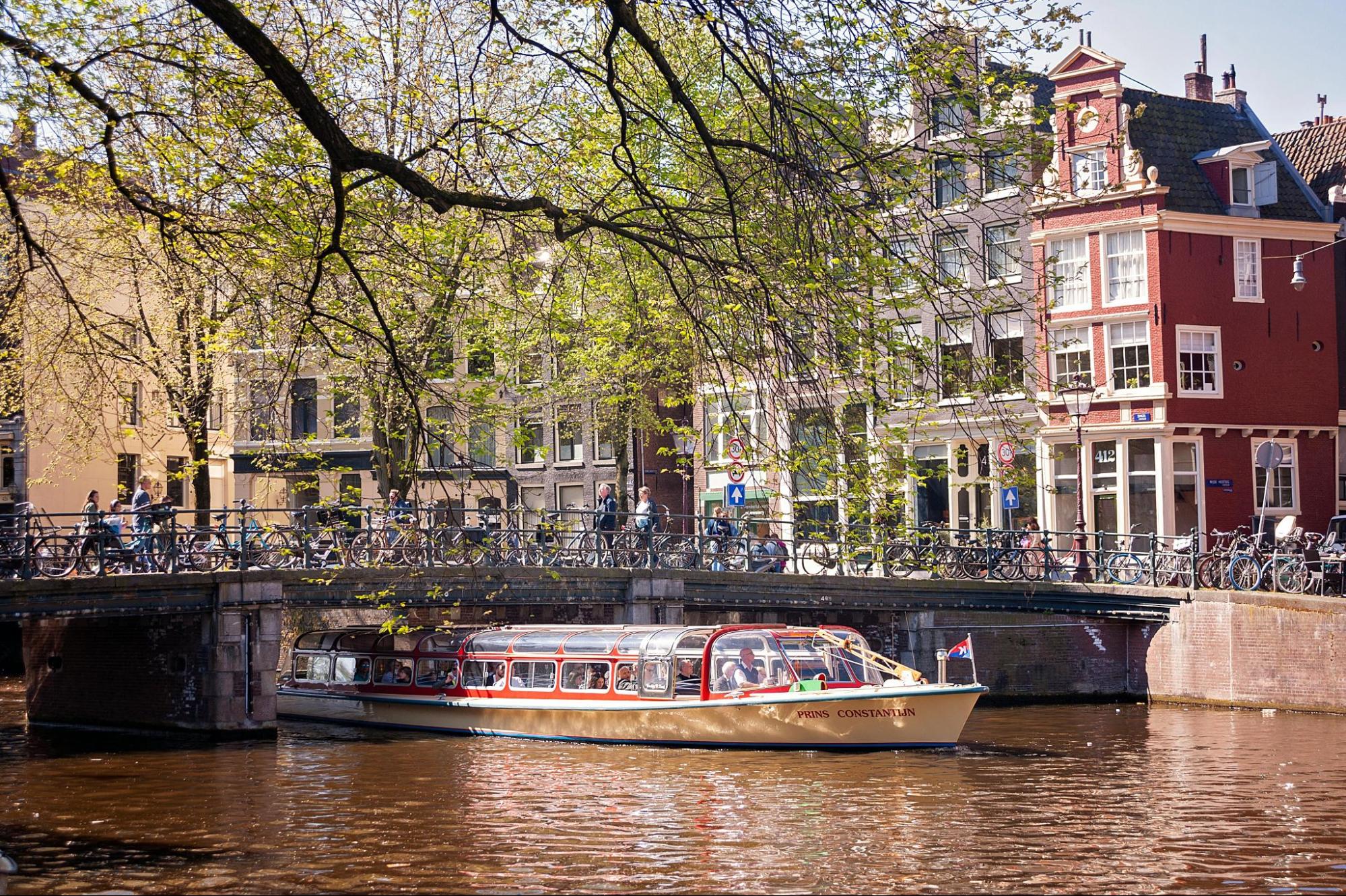
Amsterdam is a city of extremes. On the one hand, it offers an unparalleled quality of life, a vibrant cultural offer and an international work environment. On the other hand, it officially became one of the most expensive cities in Europe to live in 2026. For many home seekers, the balance between the “Amsterdam dream” and financial reality is a daily puzzle.
Those who decide to rent in the capital choose to live in the heart of the Dutch economy and culture, but pay a hefty price for it. In this article, we weigh the unique benefits of living in Amsterdam against the hard numbers of the current rental market.
The benefits: Why everyone wants to live here
Despite the prices, Amsterdam's appeal continues to grow. This is not without reason; the city offers facilities that you simply won't find elsewhere in the Netherlands.
1. An unprecedented job market
Amsterdam is the economic engine of the Netherlands. For highly educated professionals, tech talents and creatives, this is the place to be. Many international companies are headquartered here, providing an enormous density of high-paying jobs and career opportunities. The proximity to Schiphol Airport and an excellent public transport network also make the city a perfect base for those who work internationally.
2. Quality of life and culture
Living in Amsterdam means that everything is within reach. Whether it's world-class museums, iconic canals, or countless festivals and concerts, the city is alive 24/7. The renowned cycling infrastructure means you don't need a car, which can save you money on other ways of living.
3. A cosmopolitan atmosphere
Amsterdam is a melting pot of cultures. For expats and newcomers, it is an easy city to land in, as English is the main language in hospitality and business services almost everywhere. This diversity is reflected in the culinary offerings, the shops and the open, liberal atmosphere on the street.
The downside: The hard numbers for 2026
There is a dark side to Amsterdam's popularity: a chronic housing shortage that has driven prices to record levels.
1. The most expensive rental market in Europe
At the beginning of 2026, recent figures show that Amsterdam is topping cities such as Paris and London in terms of rents per square meter. An average apartment in the private sector now costs between €2,000 and €2,800 per month. For a studio or a room in a shared house, you can often easily pay €1,000 to €1,500. For many young professionals, this means that more than 50% of their net income goes directly to rent.
2. The impact of new legislation
Although the Affordable Rent Act was intended to protect middle incomes, it created a paradoxical situation in 2026. Many private landlords have decided to sell their homes instead of renting them out under the new price caps. The result? An even smaller supply in the free sector, so that the homes that do remain available are rented out at record prices to whoever can afford it.
3. Waiting times and competition
Those who want to qualify for social housing (with a rental price of up to around €1,228) must take into account waiting times of an average of 12 to 15 years. In the free market, it is not unusual for hundreds of responses to an ad within the hour. Finding a home has thus become a full-time job, with “overbidding” on the rent unfortunately no longer being the exception.
Cost overview: What does living in Amsterdam really cost?
Living in Amsterdam as a single person in 2026 requires a significant monthly budget, mainly due to high housing costs. Rent for a one-bedroom apartment typically ranges between €1,850 and €2,500 per month. Utilities such as gas, electricity, and water can add another €150 to €250. Daily living expenses also contribute to the total, with groceries averaging around €300 to €450 per month depending on lifestyle and food choices.
Other regular expenses include health insurance, which generally costs about €145 to €170 per month, and transportation. Many residents rely on bicycles and public transport, which usually totals around €60 to €100 monthly. When these costs are combined, the estimated monthly living expenses for a single person in Amsterdam fall roughly between €2,505 and €3,470 in 2026.
Cost reduction strategies
Has Amsterdam then become unreachable? Not necessarily, provided you're willing to be creative:
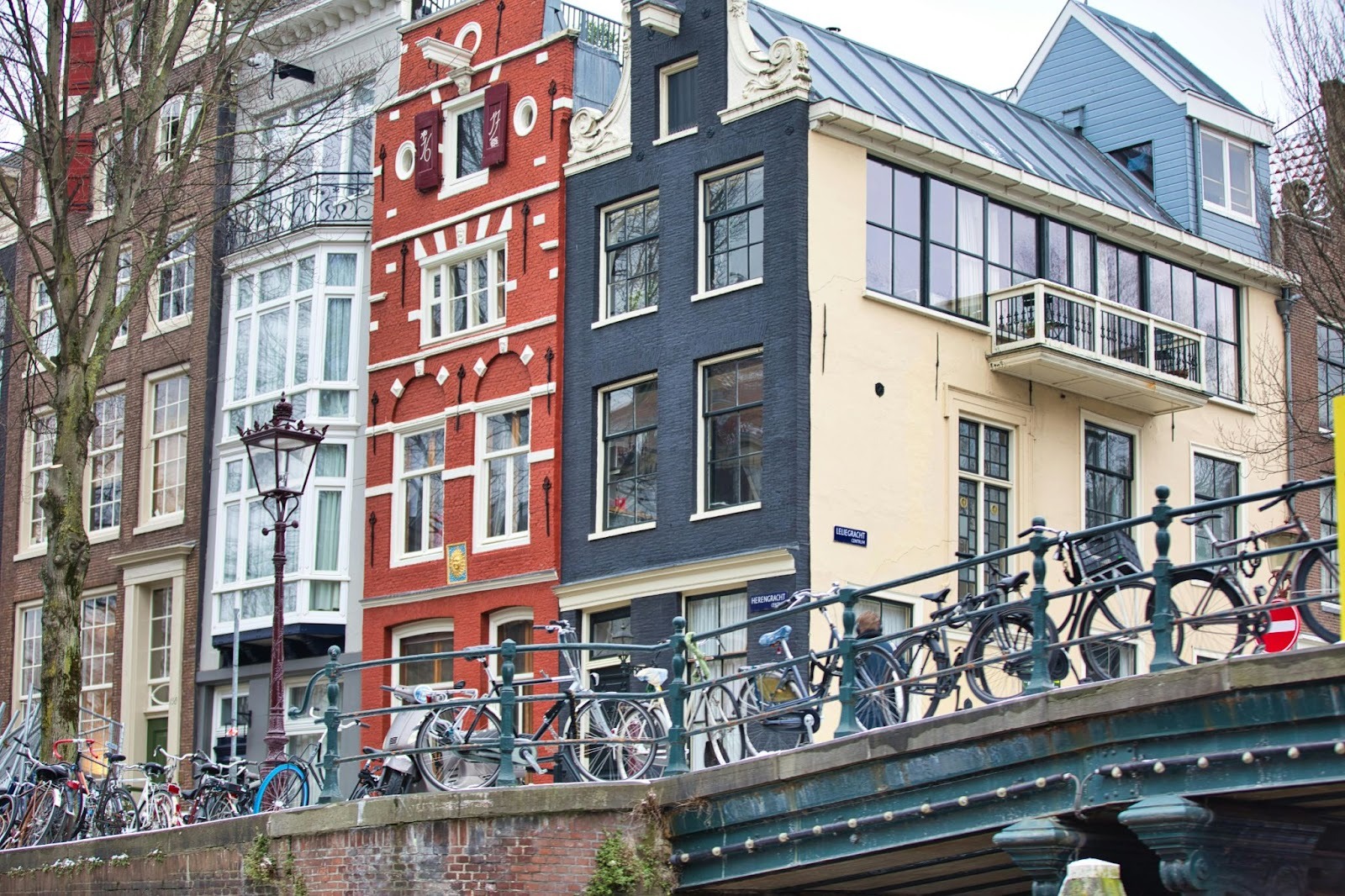
- Look outside the ring: Neighbourhoods such as Amsterdam North (near the ferry), Southeast and New West are on the rise. The rents here are often 20% to 30% lower than in the center or in the old-south, while you can reach central station within 15 minutes by metro.
- Co-living and hospitality rentals: Sharing a home with others or renting a room from an owner (landlady) is the only way for many starters to share the costs.
- Housing allowance: Check whether you are entitled to housing allowance. In 2026, the rules were relaxed, allowing more middle-income people to claim compensation, provided that the home meets the conditions.
Renting in Amsterdam in 2026 is a conscious choice for a certain lifestyle where you sacrifice luxury for location. The city offers a unique dynamism and opportunities that still justify the high price for many. However, those who do not have an above average salary will have to make concessions in terms of living space or location to stay financially afloat.