February 3, 2026
Recognizing mold in a rental home: What to look for when viewing
22/1/2022
February 3, 2026
February 3, 2026

Mold formation is one of the most persistent and unhealthy problems in Dutch housing. Especially in older buildings or poorly insulated homes, moisture accumulation can lead to harmful black mold. For a potential tenant, it is essential to recognize mold problems before signing the lease. After all, once moved in, it is often a legal tug-of-war whether the mold is caused by the architectural condition of the home or by the tenant's lifestyle.
Mold is not always immediately visible. Landlords sometimes try to mask traces with a fresh coat of paint or by ventilating the house thoroughly just before a viewing. With a keen eye and the right knowledge, however, you can detect the hidden signs of moisture problems.
The visible and invisible signals
When inspecting a home, you have to look beyond the first impression. Mold thrives in areas where air circulation is stagnant and humidity is high.
The odour test
Rely on your nose. A musty, earthy or basement smell is often the first indication of a hidden moisture problem. Even if you don't see any stains, the mold can be behind front walls, under the floor, or behind bolted cabinets. A strong smell of air freshener or freshly painted walls can sometimes be an attempt to mask this smell.
Visual inspection of critical points
Walk systematically through the spaces and focus on the following locations:
- The bathroom: Check the sealant edges and the joints between the tiles for black spots. Also look at the ceiling, specifically above the shower corner.
- Windows and frames: Condensation on the inside of the windows (especially with double glazing) indicates poor ventilation. Check the corners of the frames for wood rot or black deposits.
- Exterior walls and corners: Feel the walls that border the outside air. Do they feel clammy or extremely cold? Note color differences in the paint or wallpaper; circles or peeling paint indicate previous moisture problems.
- Behind furniture: If there is still furniture, ask if you can take a look behind it. Mold likes to grow on the back of cabinets that are tight against a cold wall.
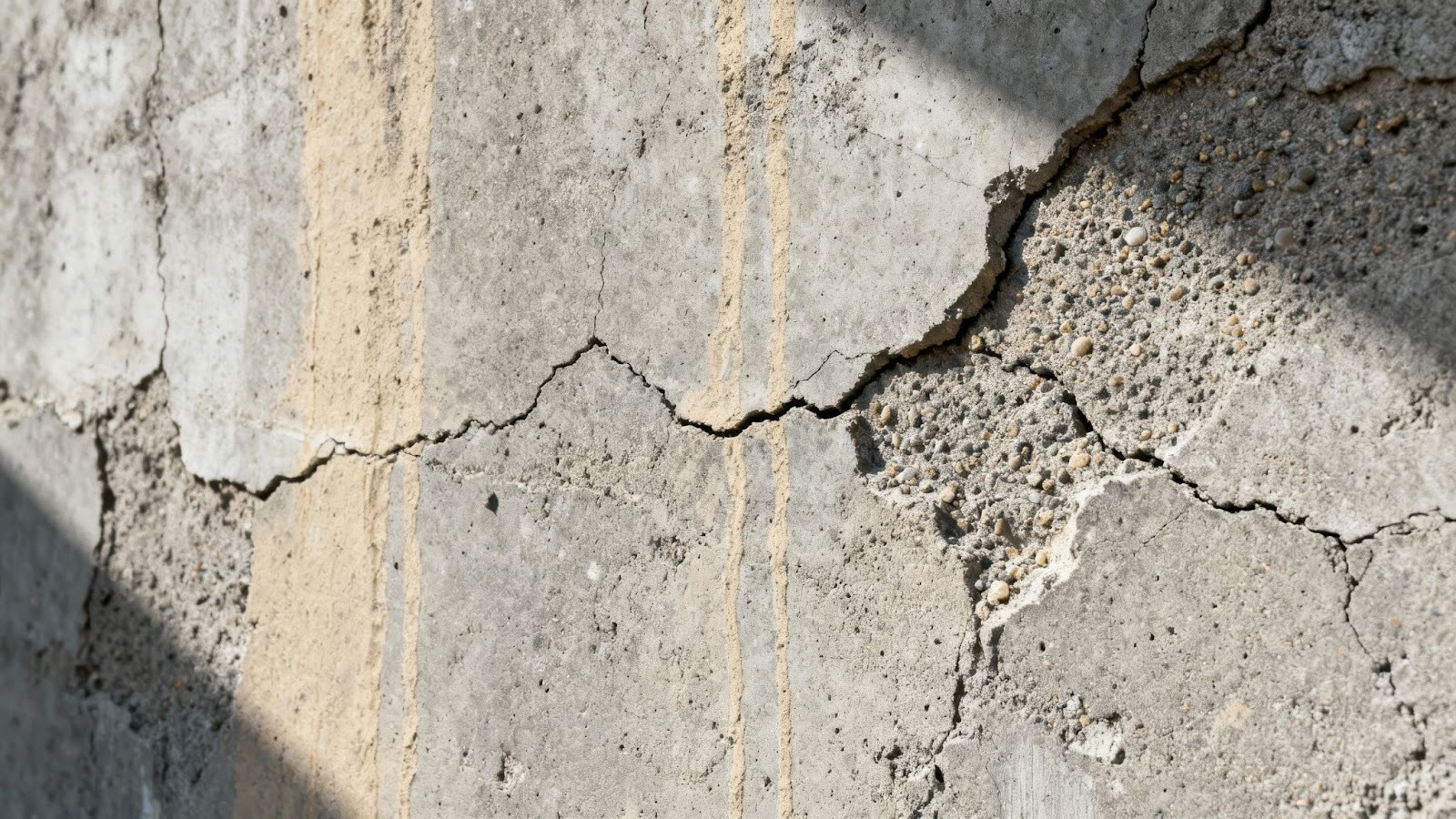
Find out the cause: Build error or usage?
It is important to understand how the fungus occurs. This is because this determines who is responsible for the repair and the costs.
Thermal Bridges and Insulation
There are “cold bridges” in many post-war homes. These are places where the insulation has been interrupted, making the inner wall icy in that specific spot. Warm, humid indoor air condenses directly into water droplets there, which is the ideal breeding ground for mold. This is an architectural defect for which the landlord is responsible.
Ventilation facilities
Check that the home has sufficient ventilation options.
- Are there ventilation grilles in the windows and are they clean?
- Does the mechanical ventilation system (if present) work properly? Keep a note for the extraction point in the kitchen or bathroom; it should 'stick' because of the suction force.
- Without good ventilation facilities, mould formation is almost inevitable during normal use.
Inspection tools and aids
Do you really want certainty? Then you can use a few simple tools during the viewing.
- Hygrometer: This small device measures humidity. A healthy humidity level in the home is between 40% and 60%. Is the value structurally above 70%? Then the risk of mold is extremely high.
- Moisture meter: There are simple handheld meters that measure the humidity of materials. By holding the pens against a suspicious wall, you can immediately see whether the wall is damp from the inside.
- Flashlight: Shines along the walls. Due to the incidence of light from the side, imperfections, bumps in the wallpaper or overpainted spots are immediately visible.

Legal consequences and agreements
Do you find traces of mold but still want to rent the house? Then make sure you cover this properly from a legal point of view.
- Record in Inspection Report: Note the presence of mold and moisture in the report when handing over the keys. Take clear photos. This prevents the landlord from holding you liable for the damage upon departure.
- Obligation to restore: Make written agreements about the period in which the landlord will remedy the cause (and not just the symptoms).
- Rent Commission: If you discover the rent mold after the start and the landlord does nothing, you can start a rental price reduction procedure. Mold is often regarded as a serious defect (category C) in the Rent Committee's 'Defects List'.
Healthy living without humidity: Look beyond a fresh coat of paint
Mold in a rental home is more than an aesthetic problem; it affects the structure and can cause respiratory problems. By taking a critical look at ventilation, insulation and odor during a viewing, you prevent moving into an unhealthy home. Be especially alert to 'fresh' solutions such as new paint on just one wall. A transparent landlord will be open to questions about the moisture policy and any previous problems in the property.