February 8, 2026
Pet stress during a move: Causes and how to reduce It?
20/2/2026
February 21, 2026
February 21, 2026
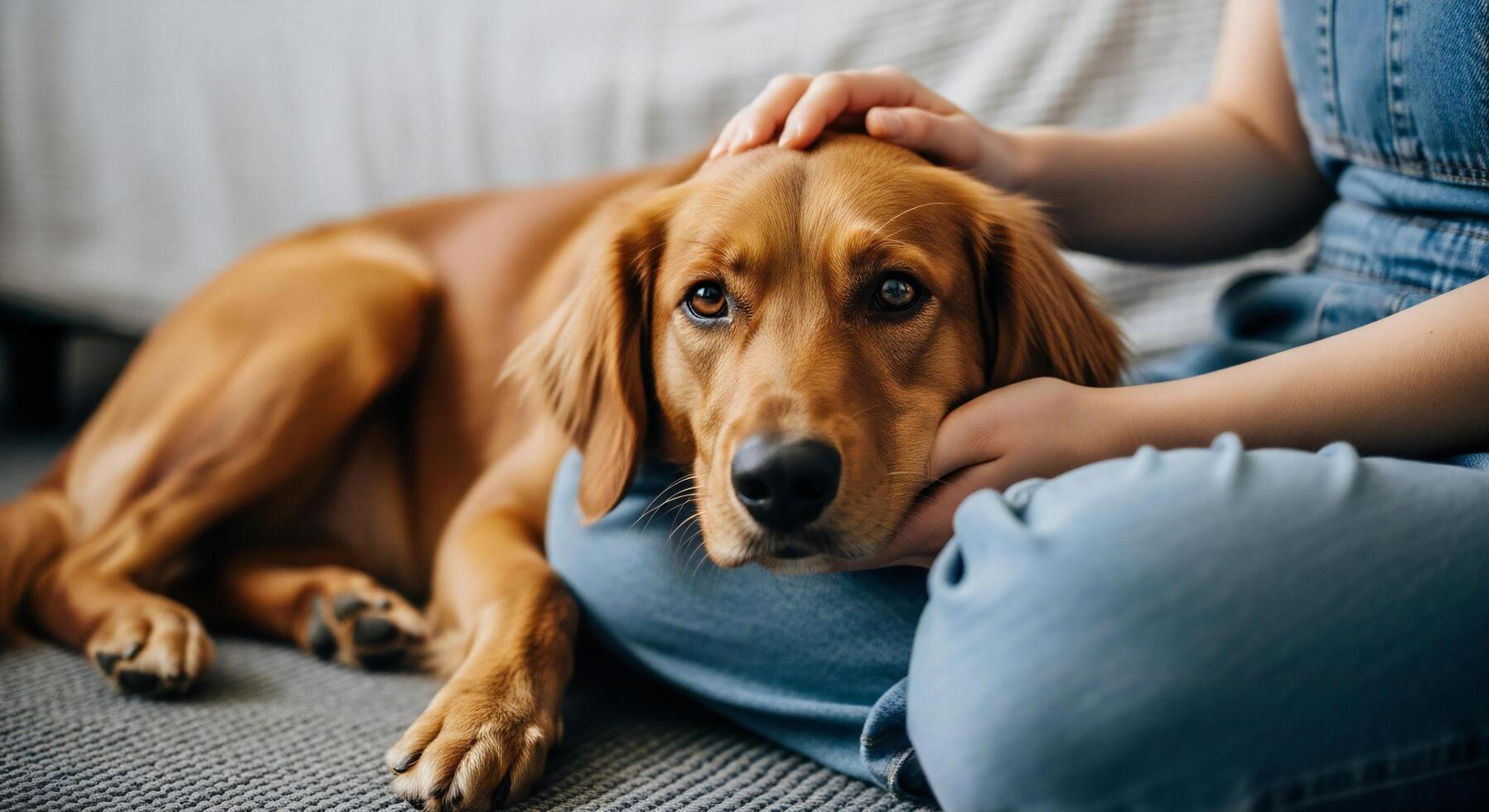
Pet stress during a move often catches people off guard because it does not always look dramatic at first. A dog that paces a little more than usual, a cat that hides longer, a pet that skips a meal. These signs can feel small compared to the visible chaos of packing and logistics. Yet for pets, a move is not a series of tasks to complete, it is a sudden collapse of familiarity. Understanding how and why stress builds helps explain why pets react the way they do and why their adjustment often lags behind our own.
Territorial disruption
For pets, home is territory long before it is shelter. Territory is built from a complex web of scent, repetition, and predictable boundaries that define their sense of safety. When furniture shifts and boxes appear, that familiar territory begins to dissolve even before the door closes for the last time. Pet stress often starts during the packing phase, not on moving day itself.
Early signs of emotional distress in pets are incredibly easy to miss during the chaos of a move. Subtle changes in sleep patterns, appetite, or bathroom habits may appear long before obvious pacing. Pets may seem unusually quiet, hiding more often, or conversely, becoming hyper alert to every sound. These are adaptive biological responses to uncertainty as the animal's body prepares for a perceived threat.
Sensory overload
Moving day compresses intense noise, rapid motion, and the presence of strangers into a very short and inescapable period. Doors open repeatedly and the heavy furniture that once anchored their world suddenly disappears. For pets, this sensory overload removes any remaining sense of agency or control. Even naturally confident animals can become fearful or disoriented when their physical world is dismantled around them. In the animal kingdom, scent anchors safety much more effectively than sight. Bringing unwashed bedding or familiar furniture into the new space carries a bridge of continuity into the unfamiliar.
When these items arrive early and remain consistent, they provide the biological landmarks pets need to orient themselves. The concentrated smell of the old home allows the new environment to feel significantly less threatening. The process of a pet settling into a new home does not follow a steady or downward curve of stress. Good days where they explore and bad days where they hide will often alternate without an obvious trigger. Progress can feel suddenly undone by a loud noise or a change in weather. This fluctuation is a normal part of the testing phase where the pet checks the environment until it finally feels reliable.

Rebuilding trust
Feeding schedules, walking routes, and playtimes are the true architects of psychological recovery. In the high sensory environment of a new neighborhood, predictability is the only currency that matters to a pet.
These rigid patterns provide a structural framework that tells the animal life has resumed its order. By keeping the daily habits identical to the old home, you provide a baseline of safety for the animal.
Self paced exploration
Every animal possesses a unique threshold of curiosity when encountering a new living space. Forcing an animal to see their new yard or carrying them into unfamiliar rooms can inadvertently trigger a fear response. Allowing pets to control the pace of their own exploration restores a vital sense of agency. When a pet chooses to step across a threshold, they are actively claiming that territory through voluntary interaction. Moving is a significant stressor for humans, and a pet who is behaving difficultly can push personal patience to its limit. However, frustration directed at a stressed animal can cause lasting damage to the foundation of trust. Responding with steady patience during these moments of vulnerability actively strengthens your bond. In the heat of the move, your relationship becomes the home the pet carries with them through the transition.
In the early stages of homeownership, perfect conditions are far less important to a pet than consistent conditions. Animals can adapt to a home full of boxes quite easily if the human behaviors remain predictable and steady. Repeating the same patterns of interaction every single day builds a psychological floor for the pet. You do not need to have the house finished for your pet to start feeling safe in the new space.
Quiet repair
The shift from a new house to a home happens through a thousand tiny and unnoticed moments of normalization. One day you will realize that the pacing has stopped and the eating habits have returned to a boring baseline. This transition is incredibly subtle because it arrives through the slow accumulation of safe hours. It is the quiet absence of anxiety that signals the internal emotional repair is finally complete.
When owners stop viewing stress as a problem to be fixed, their own anxiety begins to soften into grounded patience. Viewing these reactions as a natural response to change makes the behavior interpretable rather than alarming. This shift in perspective fundamentally improves how humans respond to their animals. As the owner becomes less anxious, the pet reads that lack of tension and begins to relax in turn.
Reclaimed territory
Pet stress during a move is a reflection of environmental disruption rather than a sign of fundamental fragility. Given time and the repetition of daily life, every animal has a profound capacity to rebuild their sense of home. The new space becomes familiar simply because the ordinary act of living happens there again day after day. Eventually, the house stops being a collection of strange sounds and becomes the place where everyone lives.