February 7, 2026
How well-connected Nijmegen's neighborhoods?
15/4/2025
February 20, 2026
February 20, 2026
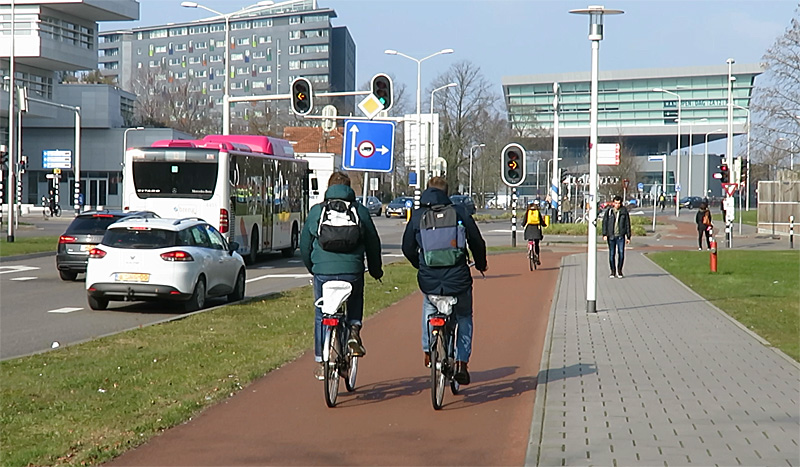
Nijmegen is often praised for its livability and academic atmosphere, but what truly shapes daily experience for residents is how well its neighborhoods connect to each other and to the wider region. Connectivity in Nijmegen is not defined by a single transport mode or central hub. Instead, it emerges from layered systems that make moving around feel natural rather than forced.
To understand how well-connected Nijmegen neighborhoods really are, it helps to look at how people commute, run errands, and maintain social lives across different parts of the city.
Cycling ties the city together seamlessly
Cycling forms the backbone of connectivity in Nijmegen. Most neighborhoods are linked by safe, continuous routes that make daily travel predictable and efficient regardless of the distance covered.
While the city's unique hills exist, thoughtful infrastructure design and route planning reduce the physical effort required. For many residents, the bicycle effectively replaces both short car trips and public transport entirely.
Public transport connects neighborhoods without friction
Nijmegen’s bus network plays a steady and effective role in daily mobility. Frequent buses connect residential areas with the city center, university zones, and hospitals at very regular intervals.
The routes are designed for reliability, meaning residents rarely need to structure their entire day around a strict timetable. This consistency builds long-term confidence in the system rather than a feeling of dependence.
Train stations anchor broader regional access
The city’s multiple train stations significantly enhance neighborhood connectivity. Living in areas with quick access to stations like Nijmegen Lent or Heyendaal allows for easy regional commuting without needing to live in the center.
This flexibility supports those who work or study outside Nijmegen while maintaining a quieter, neighborhood-based lifestyle. Regional access expands housing choices without forcing a compromise on location.
The city center remains reachable from most areas
One of Nijmegen’s greatest strengths is its compact urban form. Even neighborhoods further out rarely feel isolated, as the city center remains accessible by bicycle or bus within a very reasonable timeframe.
Cultural, social, and commercial life stays within easy reach of the suburbs, making distance feel functional rather than limiting. You are never truly "far" from the heart of the action in Nijmegen.
University presence stabilizes transport consistency
Radboud University and the HAN University of Applied Sciences strongly influence transport planning. Routes and schedules reflect student and staff movement, which indirectly benefits all surrounding residential neighborhoods.
This presence reduces the service gaps that often plague non-central areas in other cities. Because the demand is constant, the infrastructure remains high-quality and stable over time.
Neighborhood layouts support local mobility
Many Nijmegen neighborhoods are designed to function as "mini-hubs" internally. Local shops, schools, and essential services are often reachable without ever having to cross a major traffic corridor.
This encourages walking and cycling for everyday tasks, reducing the need for longer trips across town. In Nijmegen, local connectivity is considered just as important as city-wide access.
Car travel remains possible without dominating daily life
While cycling and public transport are prioritized, car use remains entirely practical for those who need it. Road connections to regional highways are clear, yet traffic rarely overwhelms the residential streets.
This balance allows households to own a car for longer trips without feeling pressured to use it for daily errands. Having a choice without the pressure of congestion improves overall life satisfaction.
River crossings shape movement without creating barriers
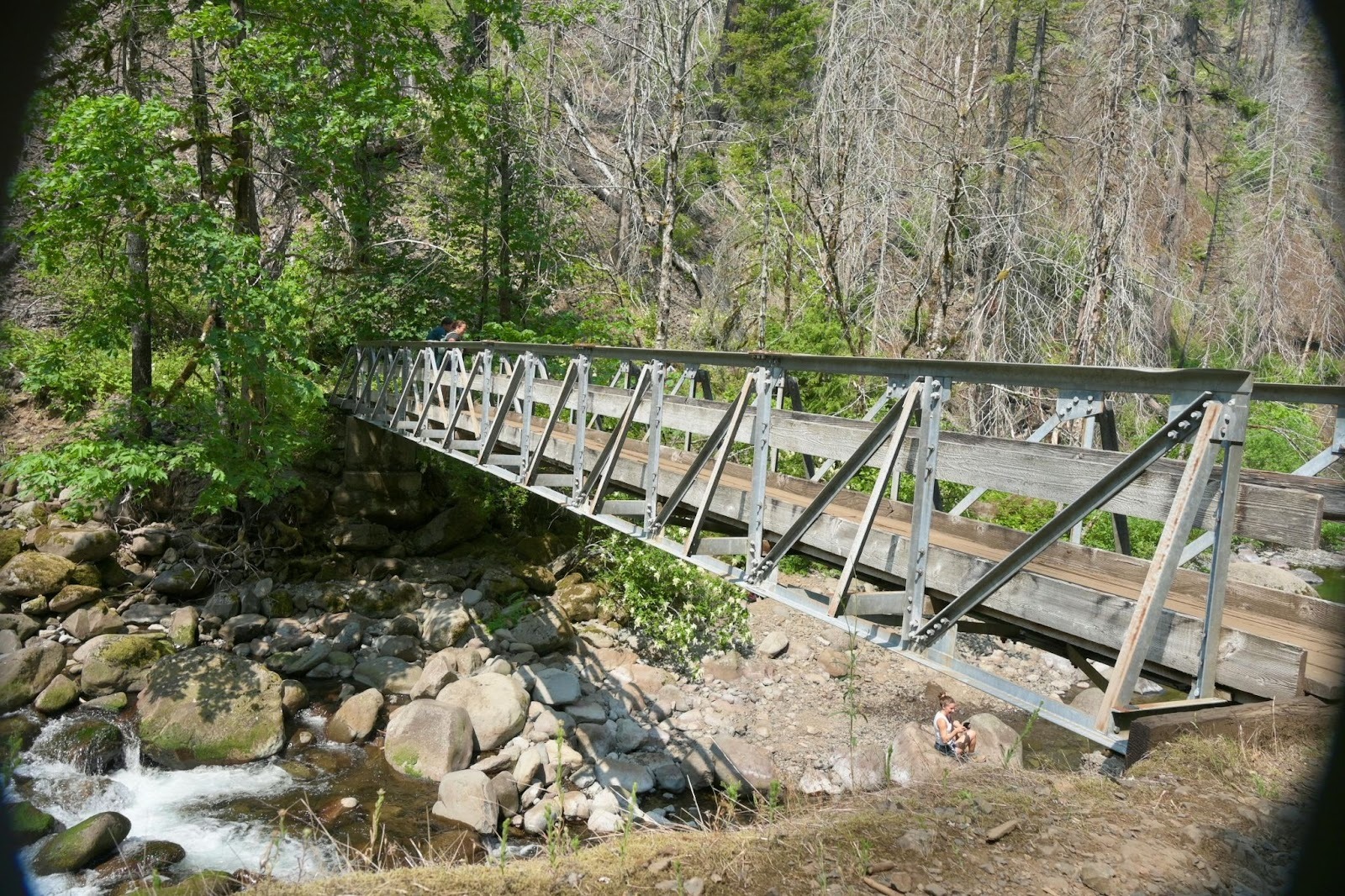
The river Waal serves as a majestic central artery rather than a geographical obstacle for the city's residents. Iconic structures like the historic Waalbrug and the modern De Oversteek bridge ensure that movement between the north and south remains fluid and visually impressive.
Strategic planning has turned the riverfront into a functional urban park that actually encourages movement through recreational paths. This transformation ensures that crossing the water is an engaging experience that integrates the natural landscape into the daily commute.
New developments integrate into existing networks
Nijmegen prioritizes a "mobility-first" approach where infrastructure like cycling highways is constructed simultaneously with new residential blocks. This proactive strategy ensures that those moving into newer districts like Waalsprong feel connected to the city center from the very first day.
The expansion of the bus network and the addition of dedicated bike lanes prevent the social isolation often found in urban sprawl. By maintaining a cohesive grid, the city ensures that growth strengthens the existing community rather than creating fragmented or detached suburbs.
Commuting times remain predictable across neighborhoods
The presence of five distinct train stations across the city creates a reliable rail anchor for almost every residential district. This distribution allows commuters to estimate their travel times with high accuracy, reducing the daily stress associated with unpredictable transit.
A synchronized light-rail and bus system complements the cycling culture to provide multiple backup options for every journey. This deep reliability fosters a sense of trust in the local infrastructure that encourages residents to leave their cars behind.
Evening and weekend connectivity stays functional
Nijmegen’s transport systems are designed to respect the varied rhythms of life that exist outside the standard nine-to-five workday. Reliable evening bus services and well-lit cycling routes ensure that the city remains safely accessible for social gatherings and night shifts alike.
Weekend schedules maintain enough frequency to support a vibrant cultural scene and spontaneous trips to the surrounding nature reserves. This constant availability ensures that the city feels active and welcoming regardless of the time or day of the week.
What newcomers often underestimate
Newcomers frequently find that the actual lived experience of the city feels much smaller and more intimate than a map might suggest. The efficiency of the cycle paths often makes a twenty-minute journey feel like a brief, pleasant transition through varying urban landscapes.
Initial concerns about living further from the historic core typically vanish once the predictability of the transit system is fully understood. Experience quickly reveals that in Nijmegen, psychological distance is far more important than physical kilometers when defining a sense of home.
When connectivity may feel insufficient
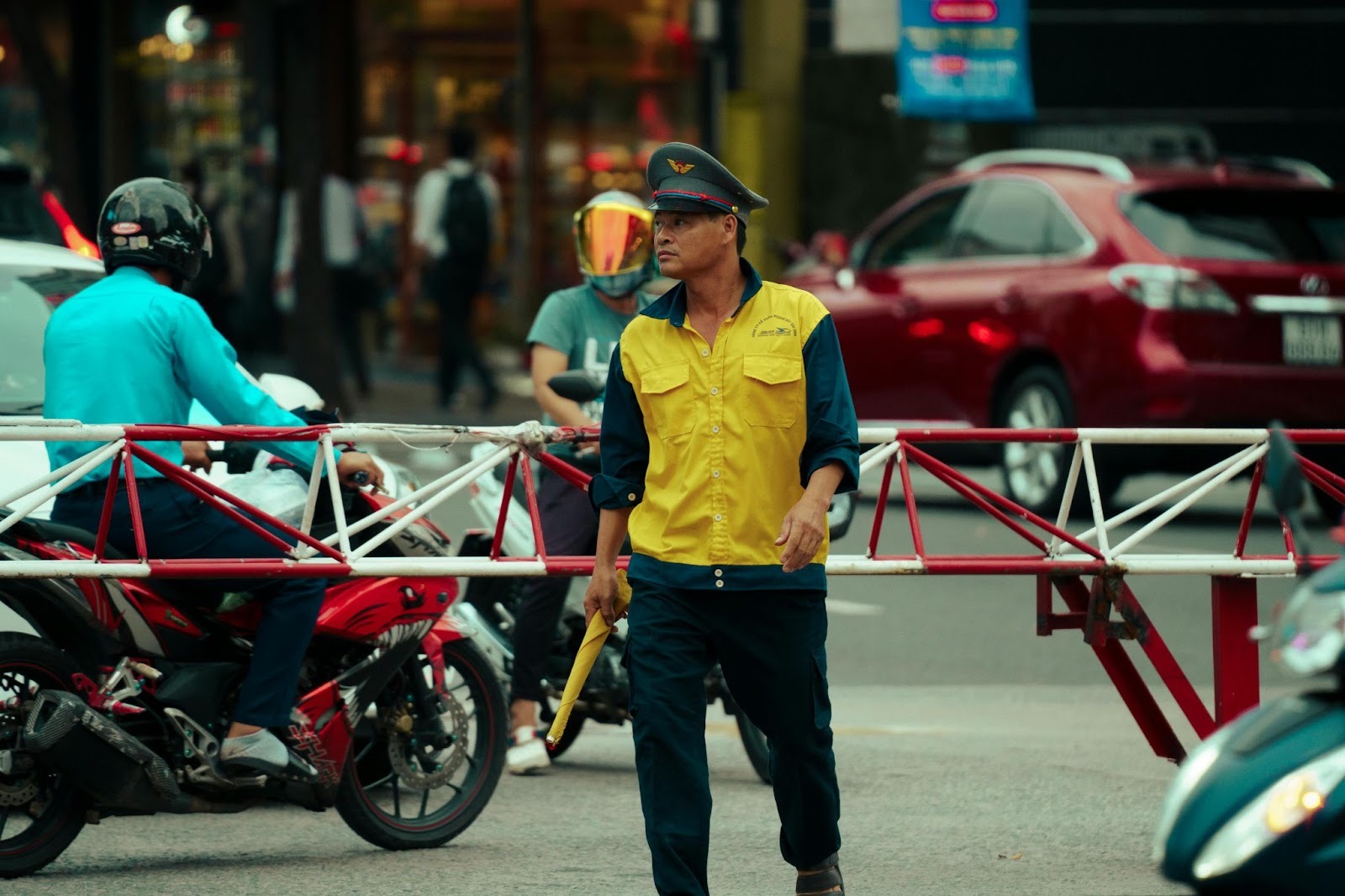
For residents who rely exclusively on heavy vehicle use, the city’s commitment to pedestrian and cycle-friendly zones can occasionally feel restrictive. Navigating the historic core by car often requires navigating complex one-way systems and limited parking availability that may frustrate those accustomed to high-speed road access.
Connectivity in Nijmegen is a deliberate ecosystem that yields the best results when residents embrace its multimodal design. If a lifestyle demands immediate, high-speed intercity highway access without any local cycling, specific outer-ring neighborhoods will certainly prove much more optimal than others.
Movement Over Spectacle
Nijmegen’s neighborhoods remain exceptionally well-connected because the urban planning department consistently prioritizes the quality of everyday movement over grand architectural gestures. The infrastructure is built to handle thousands of daily student and professional commutes with a level of quiet efficiency that often goes unnoticed.
Cycling routes and accessible train stations combine to make even the most distant residential areas feel remarkably close to the cultural heart of the city. This design philosophy ensures that connectivity supports genuine, daily routines rather than just serving as a platform for occasional tourism or special events.