February 7, 2026
How trendy is Eindhoven’s city center?
25/2/2025
February 20, 2026
February 20, 2026
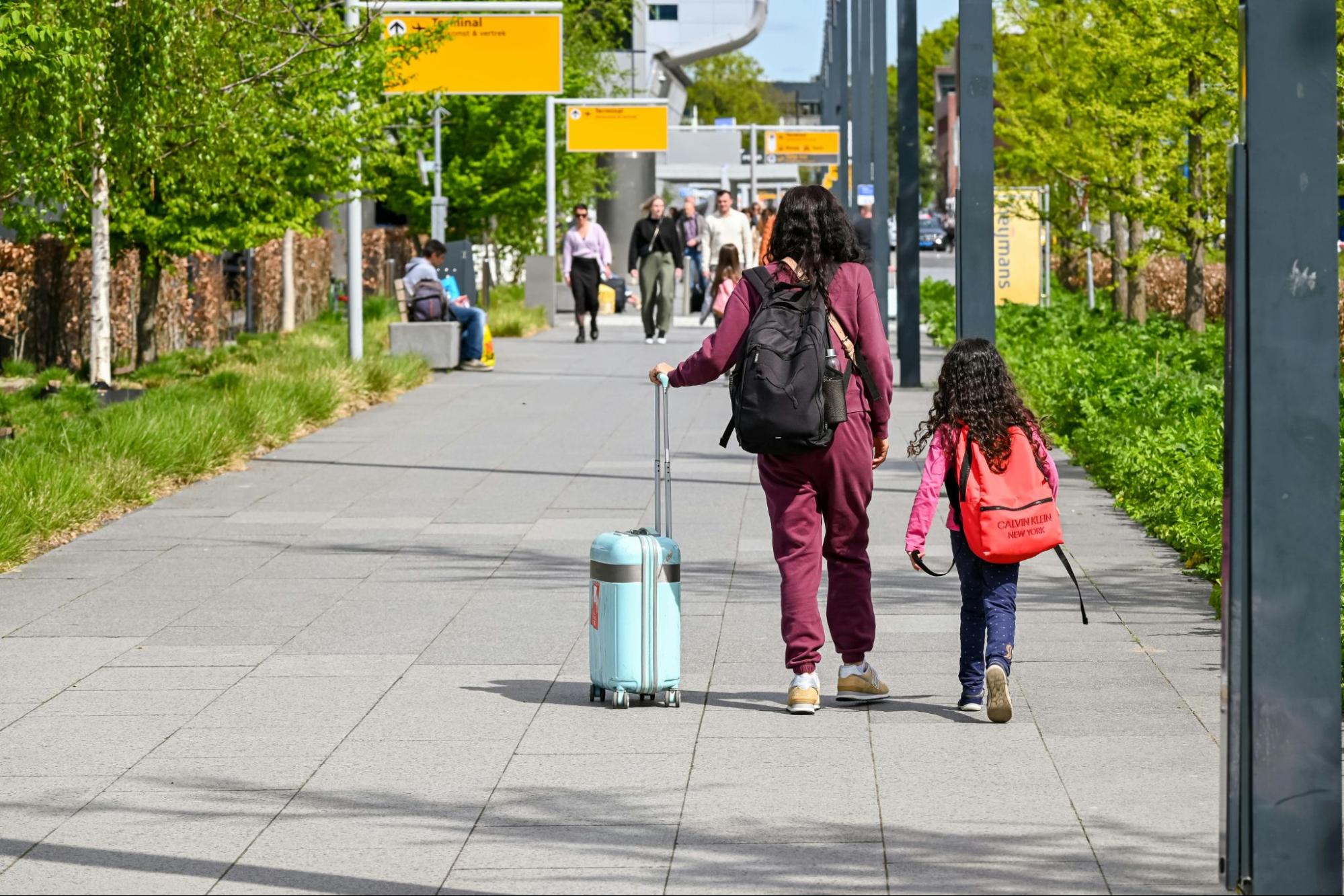
Eindhoven has spent years reshaping its image, and nowhere is that more visible than in its city center. What was once seen mainly as functional and industrial is now often described as creative, modern, and surprisingly lively. Still, trendy means different things to different people, and Eindhoven’s center expresses it in its own specific way.
Understanding how trendy Eindhoven’s city center really is requires looking beyond curated visuals and into how the area actually feels to live, work, and spend time in.
Trendiness is driven by innovation, not nostalgia
Eindhoven’s appeal comes from design, technology, and forward-looking spaces rather than historic canals. Architecture is modern and often experimental, attracting people who value progress over traditional postcard aesthetics.
This contemporary vibe is reinforced by the "Brainport Layer" of development, where buildings above 17.5 meters are encouraged to be bold and expressive. These structures contrast with the more grounded "Eindhoven Layer," creating a city silhouette that feels more like a tech campus than a provincial capital.
Strijp-S sets the tone for creative living
Strijp-S is the beating heart of Eindhoven’s cool factor, having transformed from a Philips factory site into a dense cluster of industrial lofts and concept stores. In 2026, new projects like the "Strijp-S Tribune" are expanding this zone, offering stepped residential terraces that double as viewing platforms for events on the Ketelhuisplein.
The area functions as a living lab where work and recreation merge seamlessly. Residents live in former manufacturing buildings like the Lichttoren, now renovated into high-end lofts that preserve the raw, industrial textures of the city’s past while providing cutting-edge smart home features.
Cafés and food spots reflect international influence
The culinary scene in the center has evolved into a diverse landscape that serves Eindhoven’s global workforce. From specialty coffee shops in the Bergmannstraat to the international food halls of the Down Town Gourmet Market, the focus is on quality and variety rather than sheer volume.
This internationalism is not just about the menu; it is about the social atmosphere. Many of these spots double as informal workspaces for the city’s tech entrepreneurs and design students, creating a "cafe culture" that feels both productive and cosmopolitan.
Technology and design shape public spaces
Public spaces in Eindhoven are often utilized to test "empathic living" concepts, such as intelligent lighting systems that respond to the time of day and the mood of the crowd. These smart elements, like the recycled 3D-printed "Pebble" lights, make design a tactile part of daily life.
The city’s "Green Dip" strategy is also visible in 2026, with oak and pine trees integrated into the paving to manage water and temperature. This mix of high-tech infrastructure and natural landscaping ensures the city center feels innovative yet livable.
Events and festivals keep the center dynamic
Events like Dutch Design Week (DDW) and GLOW transform the city center annually, bringing in over 350,000 visitors and 2,600 designers. These festivals act as a refresh button for the city’s energy, showcasing everything from compostable electronics to autonomous mobility solutions.
Because the center is designed as a laboratory for the future, these events do not feel like temporary intrusions. Instead, they are the moments when Eindhoven’s latent trendiness becomes fully visible, reinforcing its status as the design capital of the Netherlands.
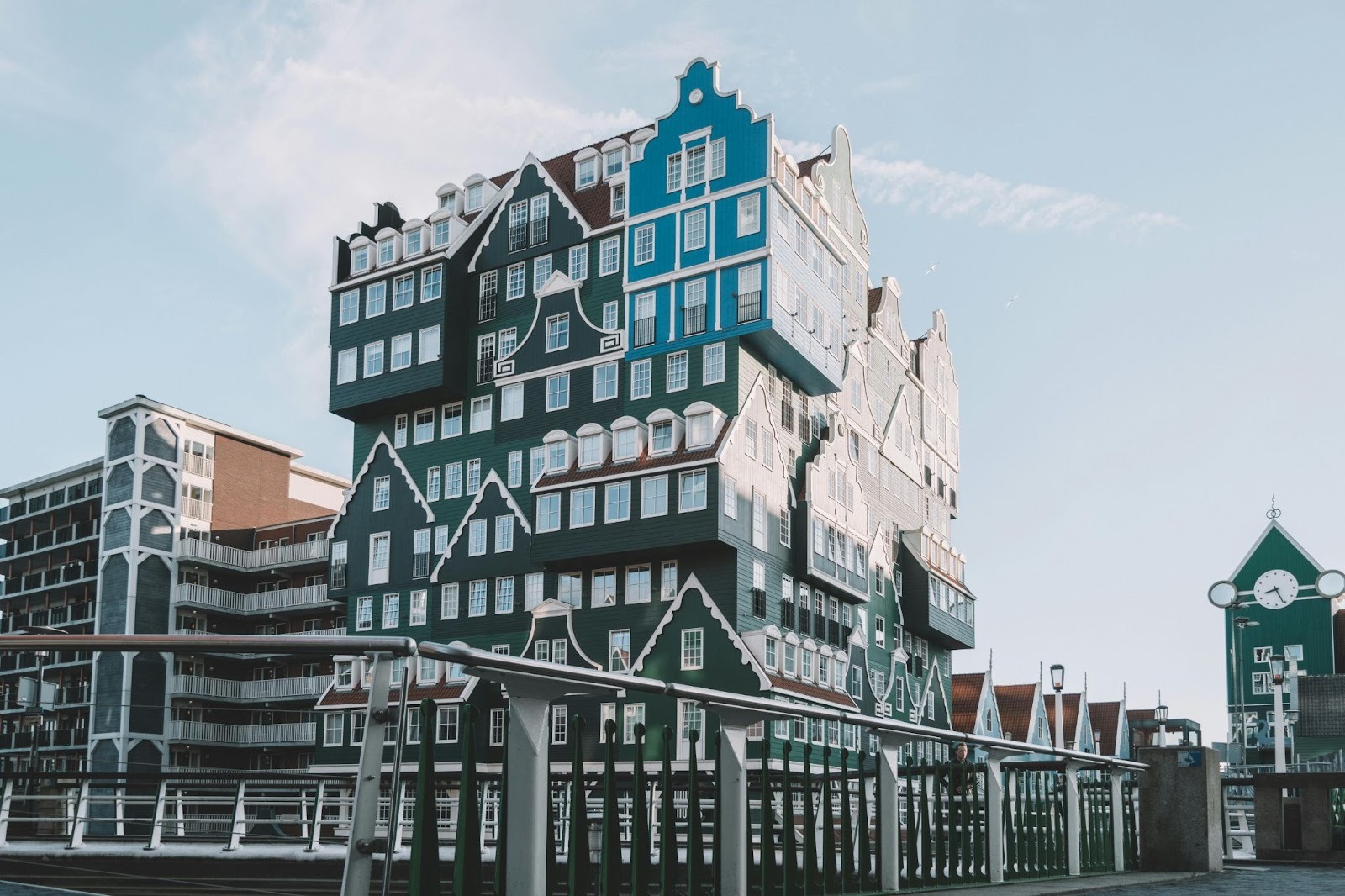
Comparison with other Dutch cities matters
Eindhoven’s trendiness is fundamentally different from the atmosphere found in Amsterdam or Utrecht. It is less about high-street fashion or medieval heritage and more about technical innovation and radical experimentation.
People who are drawn to a research-driven mindset often feel at home here much faster than in the Randstad. The local appeal is shaped by the presence of institutions like the Design Academy and high-tech campus hubs, making the city’s vibe feel more intellectual and industrious than purely aesthetic.
When the city center may not feel trendy enough
Those who are searching for dense, late-night clubbing scenes or a traditional historic ambiance may find Eindhoven’s center somewhat underwhelming. The city does not attempt to compete with the romantic canal-side life of Utrecht or the historic grandeur of The Hague.
Instead, the trendiness here is selective, catering to those who appreciate industrial reuse and digital culture. If your idea of "cool" requires 17th-century architecture and a bustling tourist center, Eindhoven’s functional and modern layout might feel too polished or clinical.
Steady over loud
Eindhoven’s city center represents a form of trendiness that is forward-looking and quietly confident. Its appeal is rooted in the steady flow of international talent and the consistent output of its creative sectors rather than in fleeting social media spectacle.
The city does not chase mainstream trends loudly; it builds its own identity through events like Dutch Design Week, which returns in 2026 from October 17th to 25th. For people who value innovation and a high quality of life Eindhoven was recently named the world's most relaxing city to live in for 2026 this understated trendiness is exactly why the center works.