February 7, 2026
How much for professional cleanings?
9/8/2025
February 20, 2026
February 20, 2026

Professional cleaning is one of those costs that often feel optional until they suddenly aren’t. During the housing search, it rarely comes up. Viewings focus on space, light, rent, and availability, not on what it will cost to return the property an acceptable condition later. For many renters, the first real encounter with professional cleaning fees happens at move-out, when time is short, expectations are high, and the cost feels unexpectedly heavy for something that looks, on the surface, quite simple.
Cleaning standards are higher than everyday living
The level of cleanliness expected at the end of a tenancy is usually far above what most people maintain during daily life. Professional cleaning is not about making a home feel tidy or comfortable; it is about meeting a standard that allows the next tenant to move in without friction. This means deep cleaning kitchens, bathrooms, appliances, floors, and often, rarely used areas. Because the expectation is thoroughness rather than appearance, the work takes longer and costs more than people anticipate.
Move-out timing increases the price
Professional cleanings almost always take place under time pressure. Keys must be returned on a specific date, inspections are scheduled, and delays can have financial consequences. This urgency limits flexibility and pushes people toward whatever service is available at short notice. When cleaning has to be done quickly and within narrow time windows, prices rise. The cost reflects not just the work itself, but the inconvenience of fitting it into an already full schedule.
Many people assume cleaning costs are based mainly on square meters. In reality, complexity matters just as much. Older properties, poorly ventilated bathrooms, or kitchens with heavy use require more intensive work. Hard water stains, built-up grease, and wear from years of occupancy all increase cleaning time. Two apartments of the same size can result in very different quotes depending on condition, layout, and materials, which makes the cost feel inconsistent.
Kitchens and bathrooms drive most of the expense
A large portion of professional cleaning costs comes from kitchens and bathrooms. Appliances need to be cleaned inside and out, tiles scrubbed, grout treated, and fixtures descaled. These spaces demand detailed, time-consuming work that goes far beyond surface cleaning. Because expectations around hygiene are high, cleaners spend disproportionate time here, which significantly affects the final price.
In many rentals, move-out inspections are guided by detailed inventories or condition reports. These documents list specific items that must meet certain standards, such as oven cleanliness or window condition. When inventories are strict, cleaning becomes less flexible. Cleaners must address each listed item thoroughly, even if it feels excessive to the tenant. This precision adds time and cost, especially when expectations differ between landlords, agents, and tenants.
Professional equipment and products affect pricing
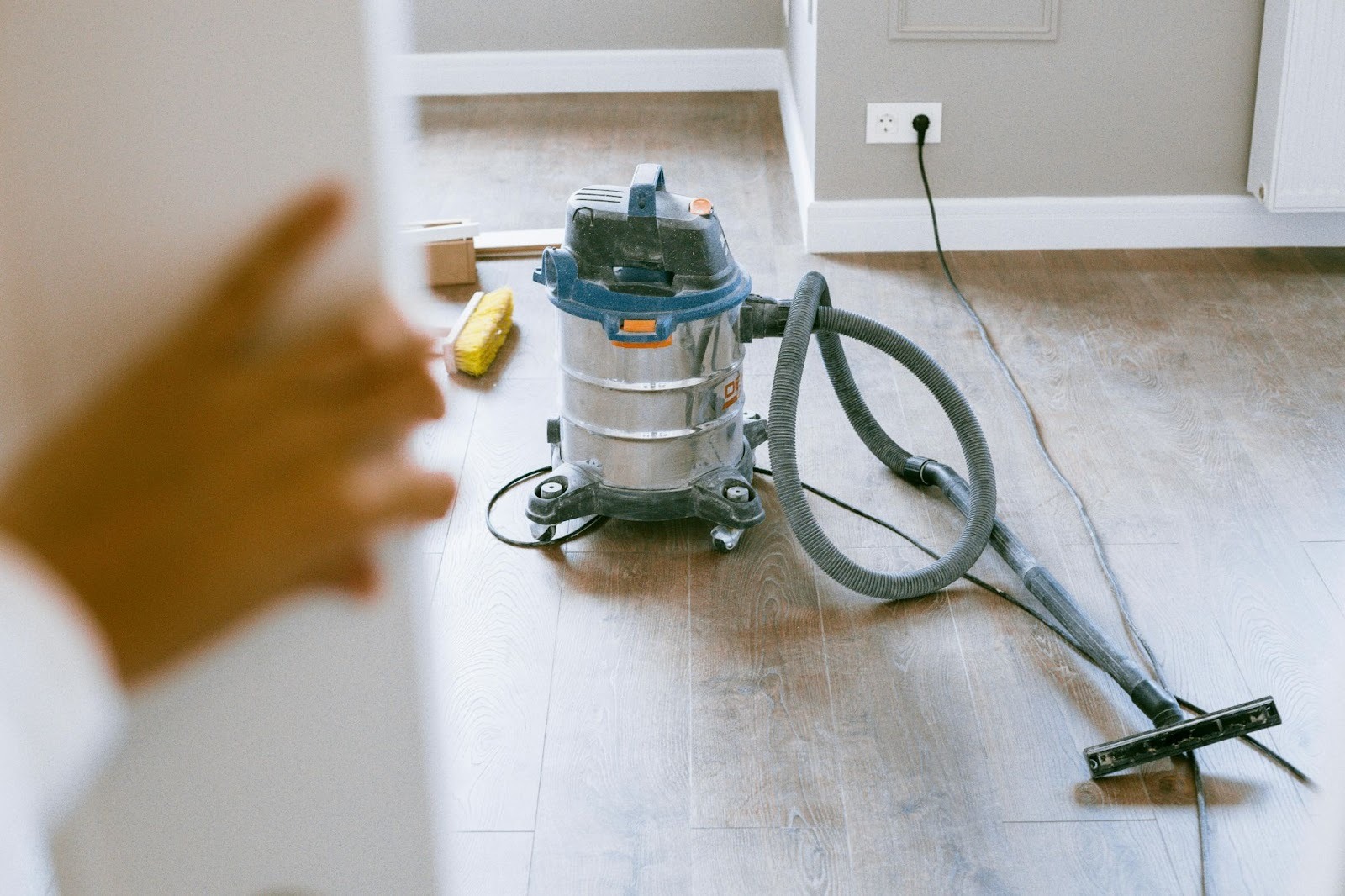
Professional cleaning services use specialized equipment and products designed to deliver consistent results. Industrial vacuums, steam cleaners, and strong cleaning agents all come at a cost. These tools allow cleaners to meet inspection standards more reliably, but they also contribute to higher pricing compared to do-it-yourself cleaning.
What you are paying for is not just labor, but access to tools and expertise that reduce the risk of disputes later.
Partial cleanings often become full cleanings
Some renters try to reduce costs by cleaning most of the property themselves and hiring professionals only for specific tasks. In practice, this approach often expands. If the professional cleaner identifies areas that do not meet the expected standard, additional work is added. What began as a limited service can quickly turn into a full clean, sometimes at a higher rate because it is no longer planned or efficient. This is why initial savings attempts do not always translate into lower final costs.
Professional cleaning costs are closely linked to the fear of deposit deductions. Many renters choose professional services not because they want to, but because they want to reduce the risk of disputes. The cleaning fee becomes a form of insurance, purchased to avoid a larger financial loss later. This shifts the perception of cleaning from a service to a defensive expense, which makes the cost feel heavier emotionally.
End-of-tenancy stress affects decision-making
Move-out periods are often stressful. There is pressure to relocate, return keys, and manage overlapping obligations. In this state, people are more likely to accept higher cleaning costs simply to remove one item from an already long list. The desire for closure and certainty often outweighs careful price comparison, leading to higher spending than originally planned.
Not all landlords or agents apply the same standards, even within similar properties. Some expect hotel-level cleanliness, while others are more forgiving. Because these expectations are rarely clear upfront, renters often aim for the highest possible standard to protect themselves. This cautious approach increases cleaning time and cost, even when a less intensive clean might have been sufficient.
Costs feel high because they arrive at the wrong moment
Professional cleaning fees rarely arrive in isolation. They appear alongside moving costs, temporary accommodation, storage, and deposits for the next home. Even a reasonable cleaning fee feels expensive when it lands during a financially intense transition. The timing, rather than the amount itself, is what makes the cost feel disproportionate.
Cleaning is treated as an end-state, not maintenance
Unlike utilities or rent, cleaning is a one-off requirement tied to a specific moment. Because it is not spread over time, it lacks the psychological softness of recurring costs. Paying a single, visible amount for cleaning makes it feel more painful than the ongoing expenses of similar value, even though the total impact may be comparable.

Why expectations and reality often clash
Many renters underestimate professional cleaning costs because everyday cleaning sets a misleading reference point. The gap between living-level cleanliness and inspection-level cleanliness is wider than expected. When that gap becomes visible only at move-out, the price feels shocking rather than logical. This mismatch is structural, not a personal misjudgment.
Seeing cleaning costs as part of the rental cycle
Professional cleaning is not an exceptional cost; it is part of how rentals cycle between occupants. It exists to reset the property to a neutral state, ready for the next person. When seen in this context, the cost becomes easier to place alongside other transition expenses rather than treating it as an unexpected penalty.
Professional cleaning fees can be significant, and understanding why they exist does not make them smaller. What it does change is how they are perceived. Instead of feeling like an arbitrary charge, the cost reflects time, standards, risk management, and timing. In a rental market already full of pressure points, that understanding often reduces frustration, even if the invoice remains the same.