

February 7, 2026
How much for furnishings on move-in?
12/7/2025
February 20, 2026
February 20, 2026
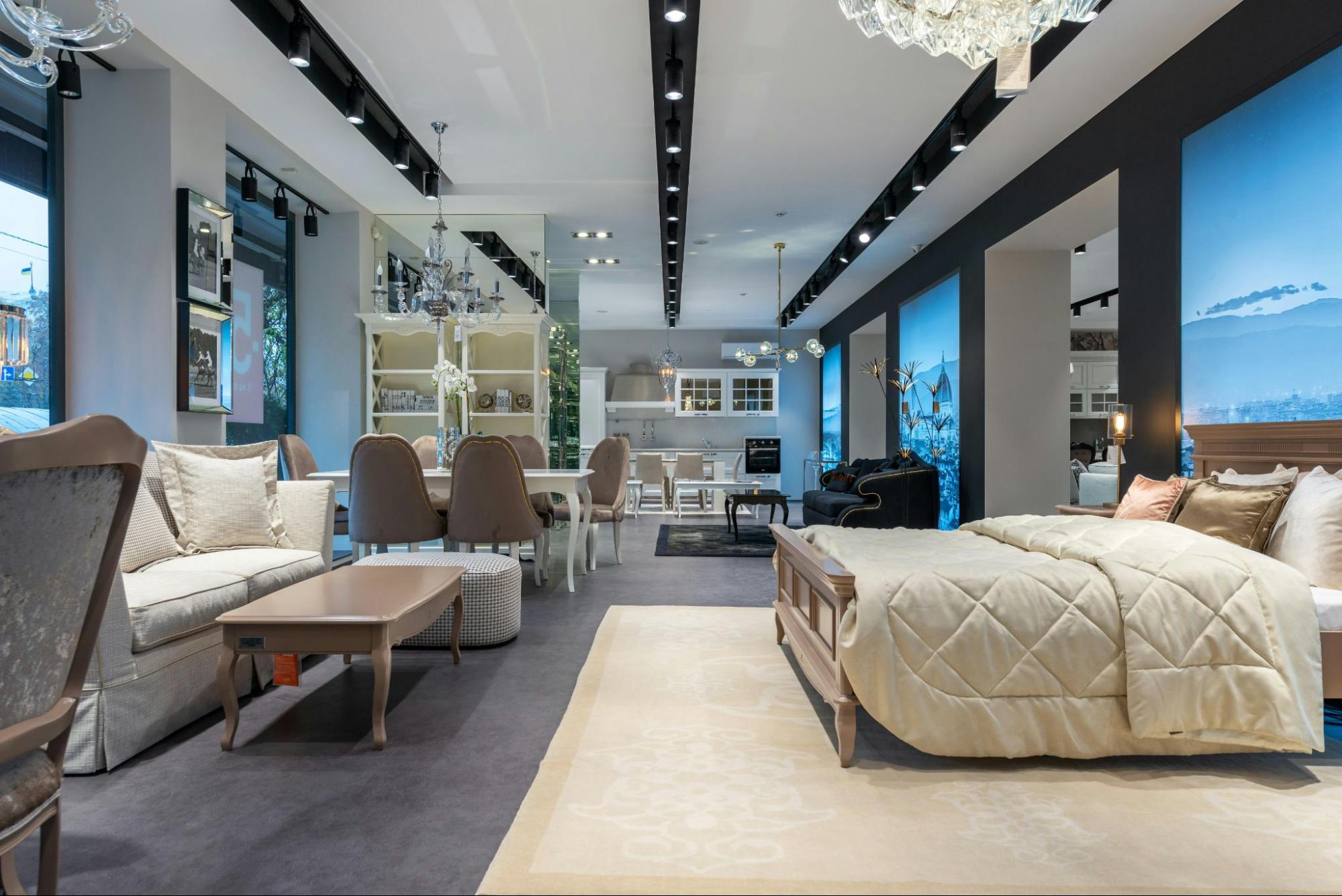
Moving into a new home in the Netherlands often feels like a relief after weeks or months of searching, viewings, and uncertainty, but that relief is usually short-lived once you step into an empty apartment. Many people expect a basic setup, only to realize that “unfurnished” here means something far more literal than they anticipated.
The real cost of moving in is not just the rent and deposit, but the sudden need to make the space livable almost from scratch, which turns furnishing into one of the most underestimated expenses of city living.
Unfurnished means more than just no furniture
In the Dutch housing market, unfurnished typically means the apartment is delivered with almost nothing inside. Floors, lighting fixtures, curtains, and sometimes even wardrobes are not included. This is normal locally, but it often clashes with expectations shaped elsewhere, where rentals come with at least basic fittings.
The result is that furnishing costs are not limited to personal comfort items like a sofa or bed, but extend to essentials required to function day to day, which immediately increases the financial pressure after move-in.
Flooring alone can change the entire budget
One of the biggest surprises for many tenants is flooring. In some apartments, especially private rentals, you are responsible for installing it yourself and removing it again when you leave. This turns flooring into a temporary investment that still requires payment up front. Even modest options quickly add up when materials, installation, and transport are factored in. Because this cost appears before you have even slept your first night in the apartment, it often feels heavier than ongoing monthly expenses.
Lighting fixtures and curtains are often treated as minor details during the search, but they become unavoidable immediately after move-in. Without proper lighting, the apartment is impractical in the evenings, especially in winter. Curtains or blinds are necessary not just for privacy, but also for insulation and comfort. These items are rarely cheap, particularly in apartments with large windows, and they tend to be purchased all at once, adding to the sense that costs are piling up rapidly.
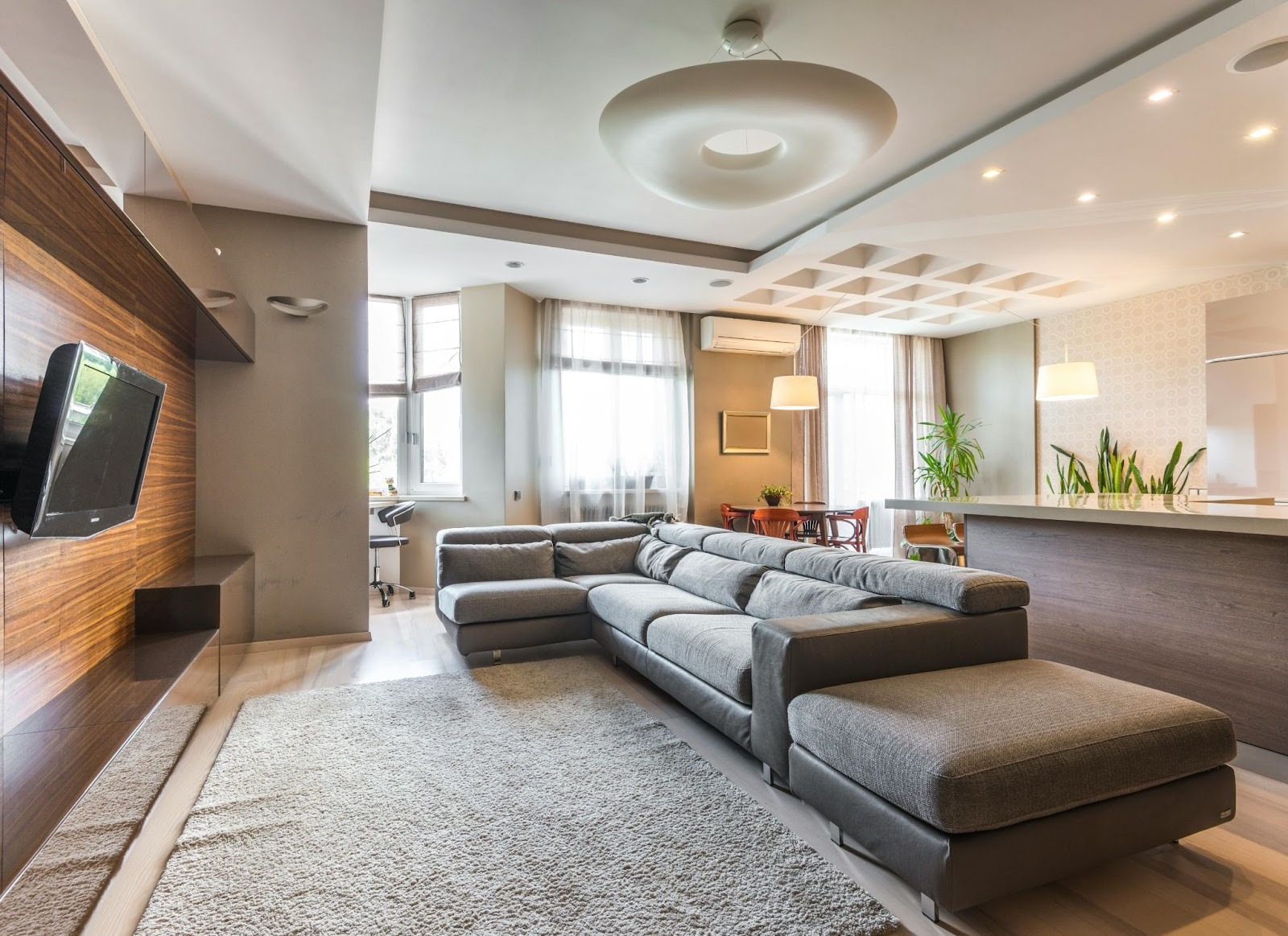
Furniture costs concentrate in the first weeks
Beds, mattresses, seating, tables, and storage are all needed quickly to make the home functional. While some people try to delay purchases or live minimally at first, the reality is that most essentials are bought within the first few weeks. This creates a front-loaded expense pattern, with several large purchases made before your finances have time to recover from deposits and moving costs. Even when choosing basic or second-hand options, the combined total often exceeds initial expectations.
Buying used furniture is common and often necessary, but it comes with trade-offs. Availability depends on timing, transport can be difficult without a car, and quality is unpredictable. Savings on the item itself can be offset by delivery fees or the need to replace items sooner than planned. While second-hand purchases can significantly lower the total spend, they rarely eliminate the upfront financial strain of furnishing an empty apartment.
Furnished rentals look expensive until you compare properly
Furnished apartments often come with higher rent, which makes them easy to dismiss during the search. However, when furnishing costs are considered over the first year, the difference becomes less clear. Paying more in rent can sometimes be cheaper than paying thousands upfront, especially for shorter stays. The difficulty is that this comparison is rarely made explicitly during the search, and many people only realize it after they have already committed to an unfurnished place.
Move-in is usually the moment when savings are most depleted. Deposits, first month’s rent, agency fees, and moving expenses often leave little buffer. Furnishing costs then arrive on top of that, not gradually, but immediately. This timing is what makes them feel so stressful. Even manageable total amounts feel overwhelming when they are required all at once, right after a financially intense housing search.
Temporary solutions often become long-term
Many people start with temporary furniture, telling themselves they will upgrade later. In practice, these temporary choices often stay much longer than expected. This can lead to spending twice, once on stopgap solutions and again on replacements. What starts as a cost-saving strategy can quietly increase total spending over time, especially when cheap items wear out quickly or do not fit the space well.
Beyond the numbers, furnishing an apartment demands time, decisions, and coordination at a moment when many people are already exhausted. Measuring spaces, arranging deliveries, assembling furniture, and dealing with returns adds mental load to an already stressful transition. This often leads to rushed decisions or higher spending just to end the process sooner. The pressure to feel settled quickly has a real financial impact.

Why are these costs easy to underestimate
Furnishing costs are rarely mentioned clearly in listings or during viewings, because they are seen as personal rather than structural. Yet in a market where unfurnished rentals are the norm, they are part of the housing system, not an individual preference.
Because they are fragmented across many purchases, it is hard to see the total upfront. Only once everything is added together does the full amount become visible.
Furnishings as part of the true move-in cost
When you look at the full picture, furnishings are not an optional upgrade but a core part of the cost of securing housing in the Netherlands. They sit alongside deposits, service charges, and utilities as structural expenses tied to how the rental market operates.
Understanding this does not make the spending disappear, but it reframes it as expected rather than unexpected. That shift in perspective often reduces stress, even if the budget remains tight.
Settling in without feeling blindsided
Furnishing on move-in is expensive not because people overindulge, but because the system requires many essentials to be purchased at once. Once this is understood as part of the reality of renting, the experience feels less like a personal miscalculation and more like a known feature of city living.
The cost remains, but it feels more manageable when it is anticipated rather than discovered piece by piece after the keys are already in your hand.


